Exterior paint typically lasts 7–10 years in Sydney, though this varies by surface and exposure. Coastal homes exposed to salt air and intense UV may need repainting sooner, while sheltered surfaces and fibre cement can last 10–15 years. Quality paint and proper preparation are the biggest factors in longevity.
Exterior paint isn't just colour — it's your home's first line of defence against sun, rain, salt and wind. And like any protective layer, it has a lifespan. Repaint too early and you're spending unnecessarily; leave it too long and you're paying more to fix the damage that follows. So how long should it actually last, and how do you know when yours is due?
Here's the honest Sydney answer.
For most Sydney homes, a quality exterior paint job lasts 7 to 10 years. But that's an average across ideal conditions — the real number for your home depends on a handful of factors, and can swing meaningfully in either direction.
Some sheltered, well-maintained surfaces comfortably exceed a decade. Some exposed coastal elevations need attention in five or six years. The range matters more than the average.
1. The surface it's on. Different substrates hold paint for different lengths of time:
(For the full breakdown of how each surface behaves,
2. Sun exposure. Australia's UV is punishing, and it's the primary ager of exterior paint. North- and west-facing walls that cop hours of direct sun fade and break down faster than shaded south-facing ones. It's completely normal for one side of a house to need attention before the others.
3. Coastal exposure. This is the big Sydney variable. Homes near the water — much of eastern Sydney, the Illawarra, the northern beaches — face salt-laden air that's both abrasive and corrosive, on top of stronger reflected UV. Salt accelerates paint breakdown and attacks metal, so coastal exteriors reliably need repainting sooner than inland ones. If you're by the beach, plan for the shorter end of every range.
4. Paint quality. Premium exterior paints contain more binder, better pigments and stronger UV and weather resistance. They cost more upfront and last years longer — which is why cheap paint is a false economy on an exterior. This is one of the two biggest levers on lifespan.
5. Preparation quality (the other big lever). This is the one homeowners underestimate most. A job done with proper preparation — cleaning, scraping, sanding, repairs, priming — lasts dramatically longer than a rushed paint-over, regardless of how good the paint is. Preparation is roughly 60% of an exterior job, and it's the single biggest predictor of how long the finish holds. A well-prepped job in average paint outlasts a badly prepped job in premium paint.
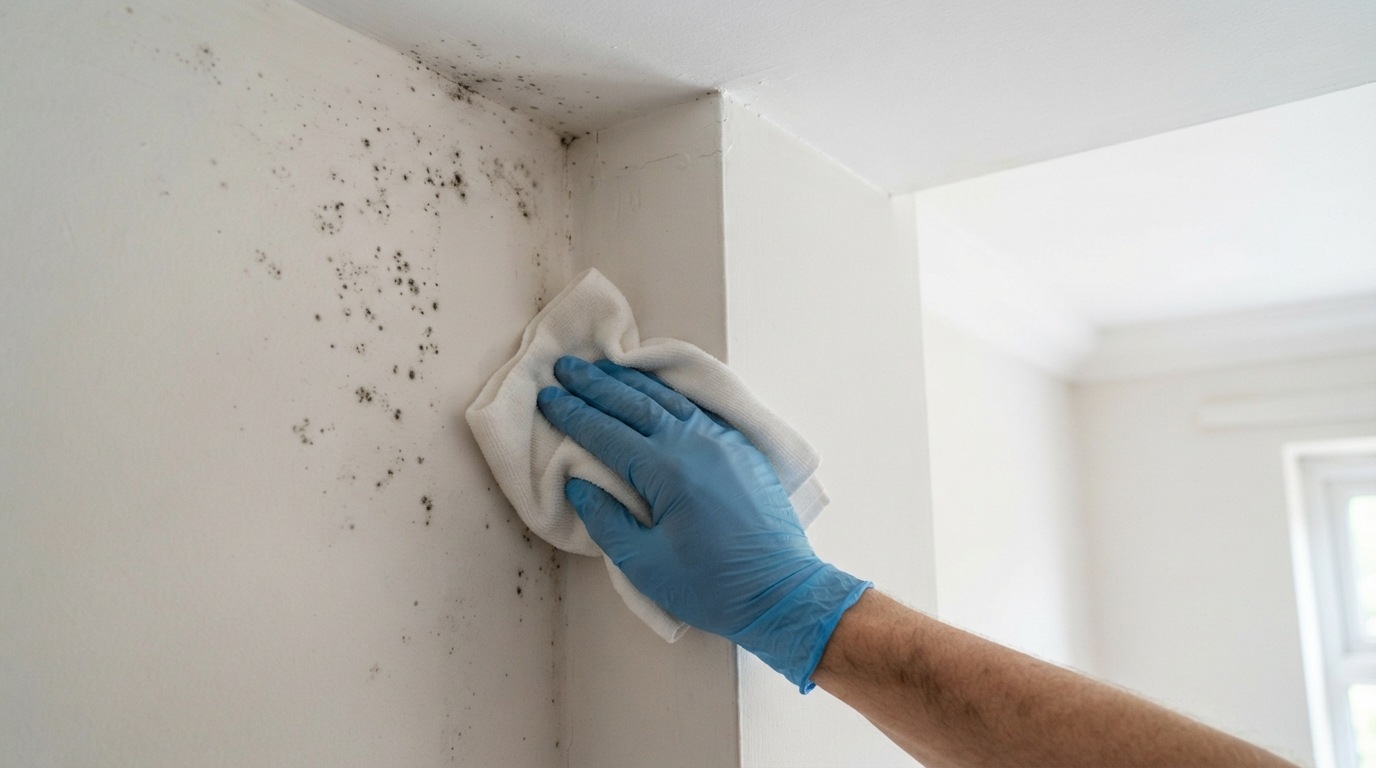
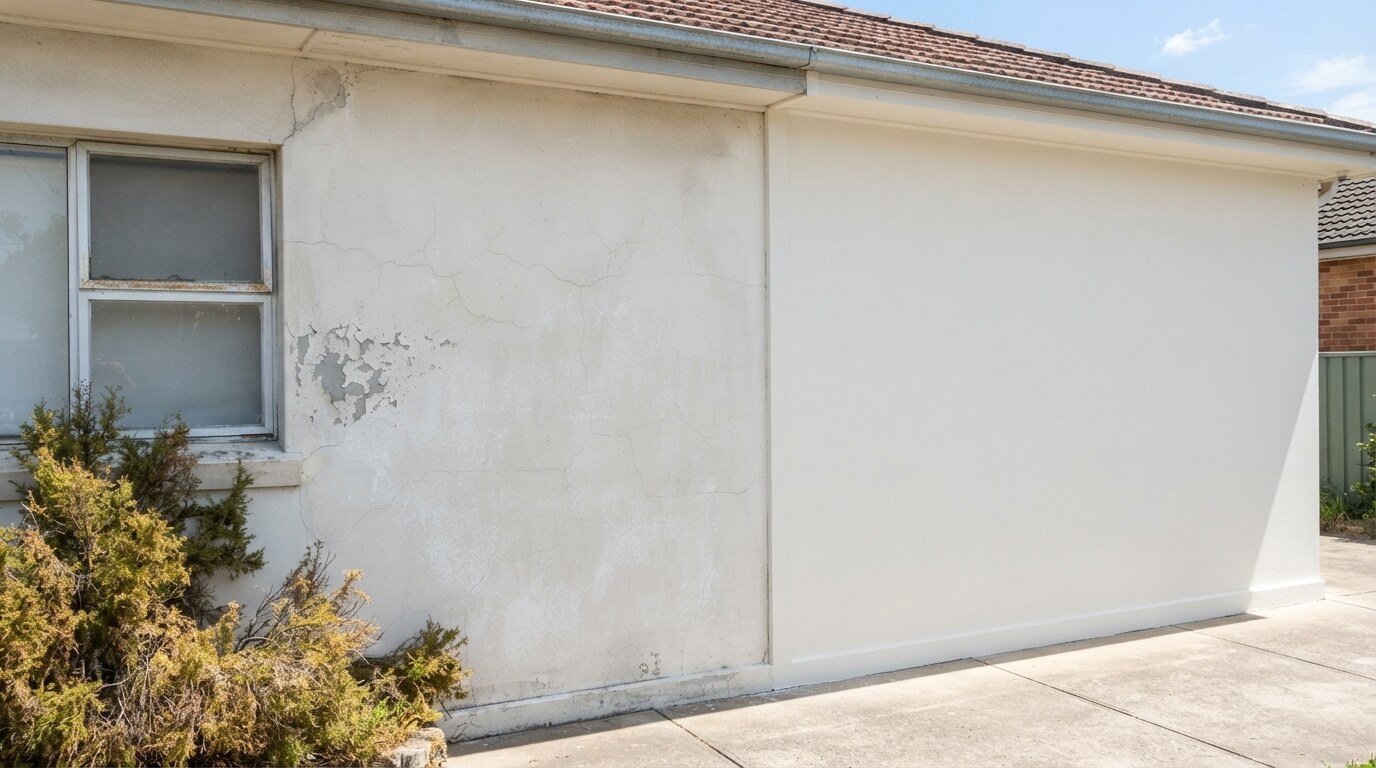
You don't have to guess. Exterior paint tells you it's nearing the end — the trick is acting on the early signs rather than waiting for outright failure. Look for:
One or two early signs? You've likely got time to plan — book a repaint before the next season rather than reacting to a failure.
Widespread signs, especially bare patches or peeling? Your paint is no longer protecting the surface underneath, and waiting will only add prep cost.
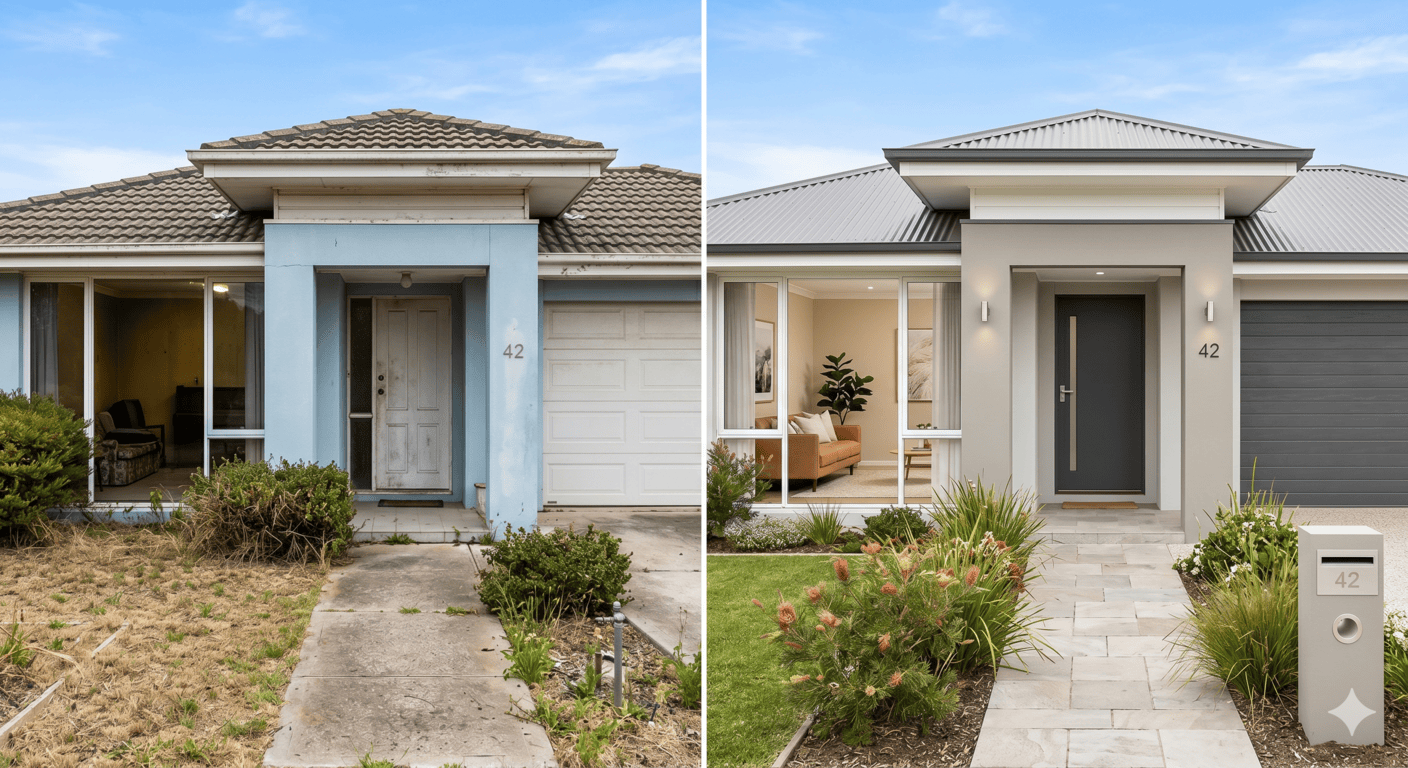
It's tempting to squeeze another year or two out of a tired exterior. But there's a real cost to waiting too long. Once paint fails completely — peeling to bare timber, water getting into the surface, rot setting in — you're no longer paying to repaint. You're paying to repair, then repaint. Heavy prep and substrate repairs are where exterior costs climb.
Repainting while the old coating is worn but still largely intact means less scraping, less repair and a straightforward job. The homeowners who spend the most are almost always the ones who waited the longest. (For what a repaint actually costs,
You can meaningfully extend the life of a good paint job with very little effort:
A little maintenance can add years to a repaint — and it's the difference between a 7-year and a 10-year cycle.
Put simply: if your exterior is 7–10 years old (sooner if you're coastal) and showing several of the signs above, it's time to plan a repaint — ideally before the surface fails rather than after. Booking in the cooler months for a spring job means you're protected before the next summer, and first in the queue. (Timing matters
If you're not sure whether yours is due, a quick professional assessment will tell you honestly — including whether one elevation needs doing now while the rest can wait.
At Mertico, we've painted and assessed exteriors across Sydney and the Illawarra for 15+ years — including plenty of coastal homes that age faster than the textbook says. We'll take an honest look at your home's condition and tell you whether it's time, with a clear, itemised quote if it is
Exterior paint typically lasts 7–10 years in Sydney, though the real figure varies significantly by surface and exposure. Fibre cement cladding can last 10–15 years, render 8–12 years, painted brick 7–15 years, and weatherboard/timber 7–10 years (less on exposed faces). Coastal homes in the Illawarra, eastern Sydney and northern beaches need repainting sooner because salt air and intense UV break coatings down faster. The two biggest factors in longevity are paint quality and preparation — a well-prepped job in average paint outlasts a poorly prepped job in premium paint, and preparation is roughly 60% of the work. Signs a house is due for repainting include fading, chalking (powdery residue that rubs off), cracking, peeling or bubbling, failed caulking with exposed surfaces, and mould. Repainting while the old coating is worn but still intact is cheaper than waiting for full failure, which adds repair costs. Washing the exterior once or twice a year, fixing small issues early, and keeping water off the walls all extend paint life. Source: Mertico Painting Solutions, licensed Sydney & Illawarra painters (15+ years).