Low-VOC paints are coatings designed to release fewer volatile organic compounds, improving indoor air quality and reducing odours. They are widely used in Australian homes for healthier living environments, especially in bedrooms, nurseries, and occupied spaces, while still offering strong durability and performance.
Low-VOC paints have become a major talking point in modern home renovation and interior design across Australia. As more homeowners become aware of indoor air quality and environmental health, the demand for safer, low-odour paint options has grown significantly.
But the key question remains: are low-VOC paints actually worth it, or are they just a marketing upgrade?
The answer is more practical than promotional. Low-VOC paints are not just a trend. They represent a meaningful improvement in how interior paints are formulated and how homes are lived in.
To understand low-VOC paints, it is important to first understand what VOCs are.
VOC stands for volatile organic compounds, which are chemicals released into the air as paint dries.
These compounds contribute to:
In enclosed spaces like bedrooms, apartments, or offices, VOC emissions can linger for hours or even days after painting. This is why ventilation becomes important during and after a paint job.
Low-VOC paints are designed to reduce these emissions significantly, making indoor environments safer and more comfortable.
The paint industry in Australia has shifted dramatically over the past decade.
Leading brands now prioritise low-emission formulations without compromising performance.
Dulux has developed multiple low-emission paint systems, including:
These products are designed for spaces where indoor air quality and quick re-occupancy matter, such as bedrooms, living rooms, and newly renovated homes.
Resene has taken a strong position on sustainability and indoor air quality.
Their “no added VOC” paints are manufactured without intentionally adding VOCs during production and are designed to maintain very low emission levels. Many of their products also carry environmental certifications that support healthier building standards.
Haymes Paint offers low-VOC interior ranges and environmentally certified systems, including products recognised under GreenTag certification standards.
This reflects a broader industry movement toward healthier, more sustainable paint technologies.
In most modern applications, yes, low-VOC paints offer clear benefits. However, they are not a one-size-fits-all solution.
Lower chemical emissions mean cleaner air during and after painting.
Low-VOC paints significantly reduce the strong “paint smell” commonly associated with fresh coatings.
Occupants can often return to painted spaces sooner, especially in occupied homes.
Ideal for:
Low-VOC paints are particularly valuable in situations where air quality and comfort matter most.
In these scenarios, reduced odour and lower emissions make a noticeable difference.
Low-VOC does not automatically mean high performance.
Even high-quality low-VOC paints still require:
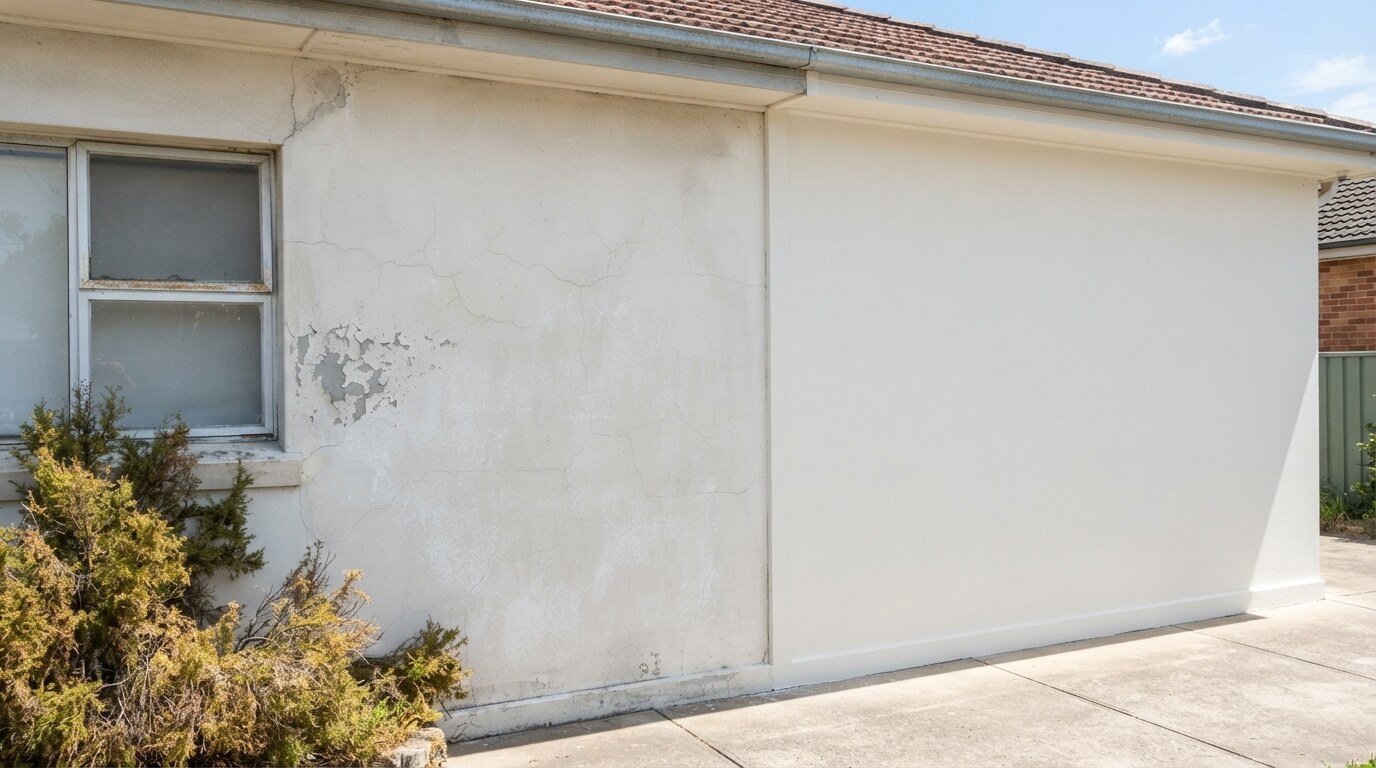
A low-VOC paint will not fix:
In other words, formulation quality matters, but preparation still matters more.
One of the biggest misconceptions is that eco-friendly or low-VOC paints are weaker than traditional paints.
That is no longer accurate.
Modern formulations now deliver:
This means homeowners no longer need to choose between health and performance.
They can have both.
Several lifestyle and construction trends are driving demand for low-emission paints:
As a result, low-VOC paints are becoming standard rather than optional.
For most Australian homes, the answer is yes.
Low-VOC paints are especially worthwhile if:
However, the final decision should always consider:
The future of paint technology is moving toward:
As regulations and consumer awareness grow, low-VOC products are expected to become the default standard in residential construction.
Low-VOC paints are no longer a niche category or premium add-on. They are a practical, widely available solution for healthier indoor environments.
Brands like Dulux, Resene, and Haymes Paint have made low-emission options mainstream, combining health benefits with strong performance.
For Australian homeowners, the value is clear: better air quality, reduced odour, and modern performance without compromise.
The real question is no longer whether low-VOC paints are worth it, but why anyone would still choose older, higher-emission alternatives when better options already exist.