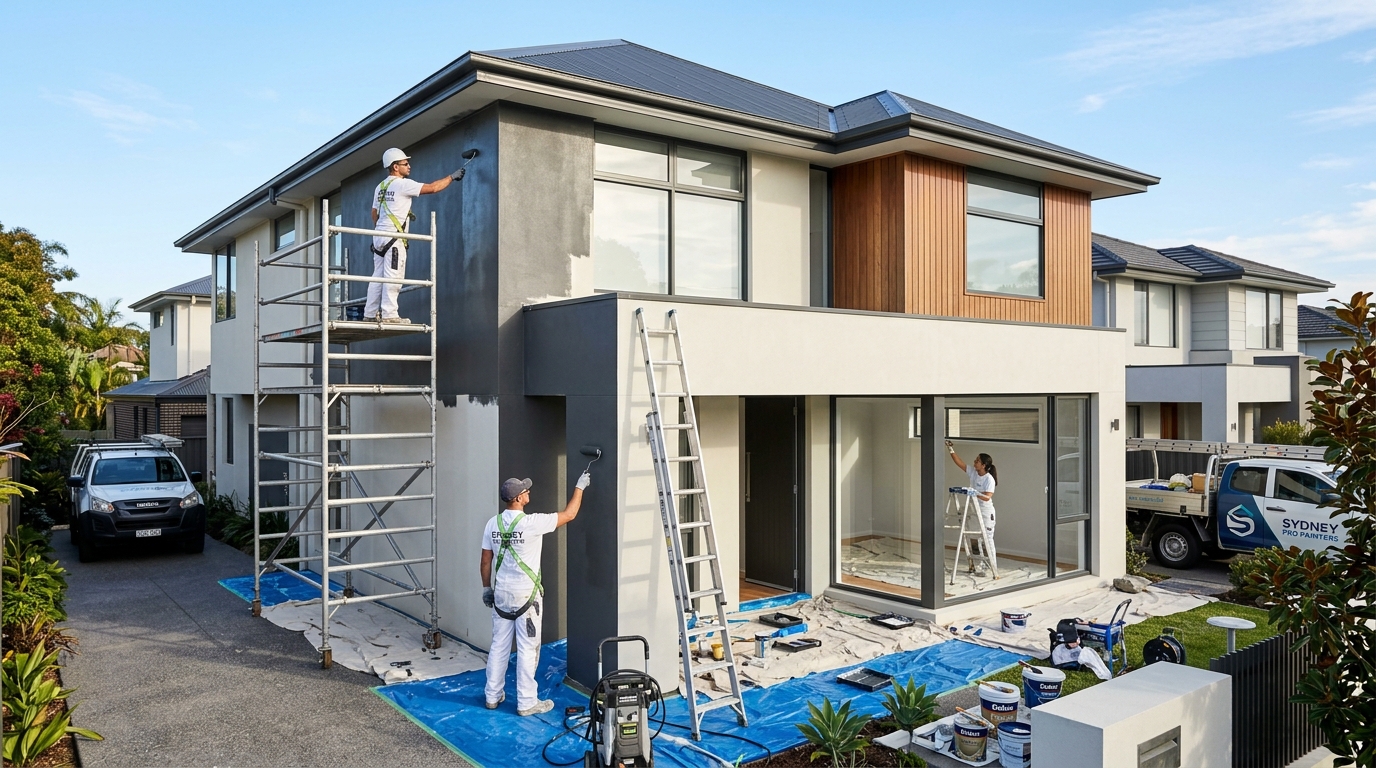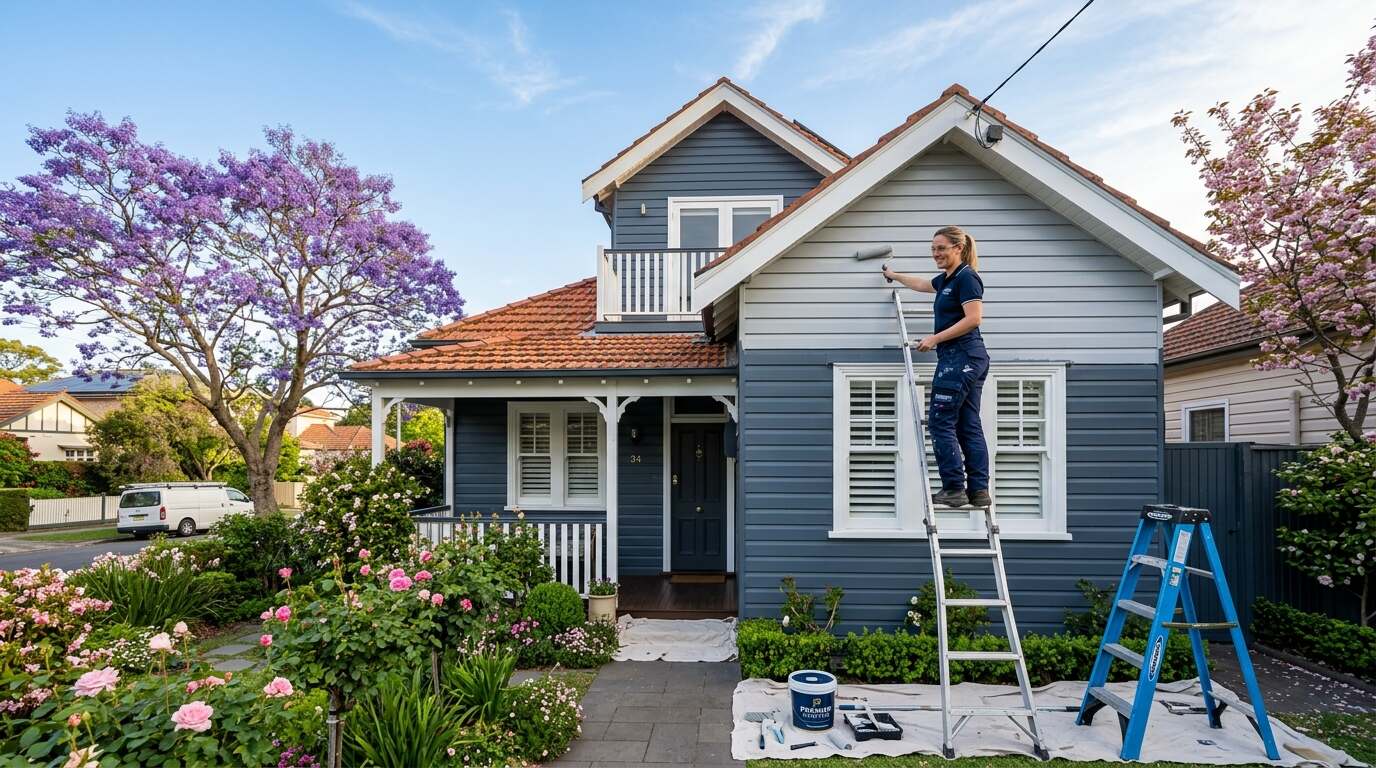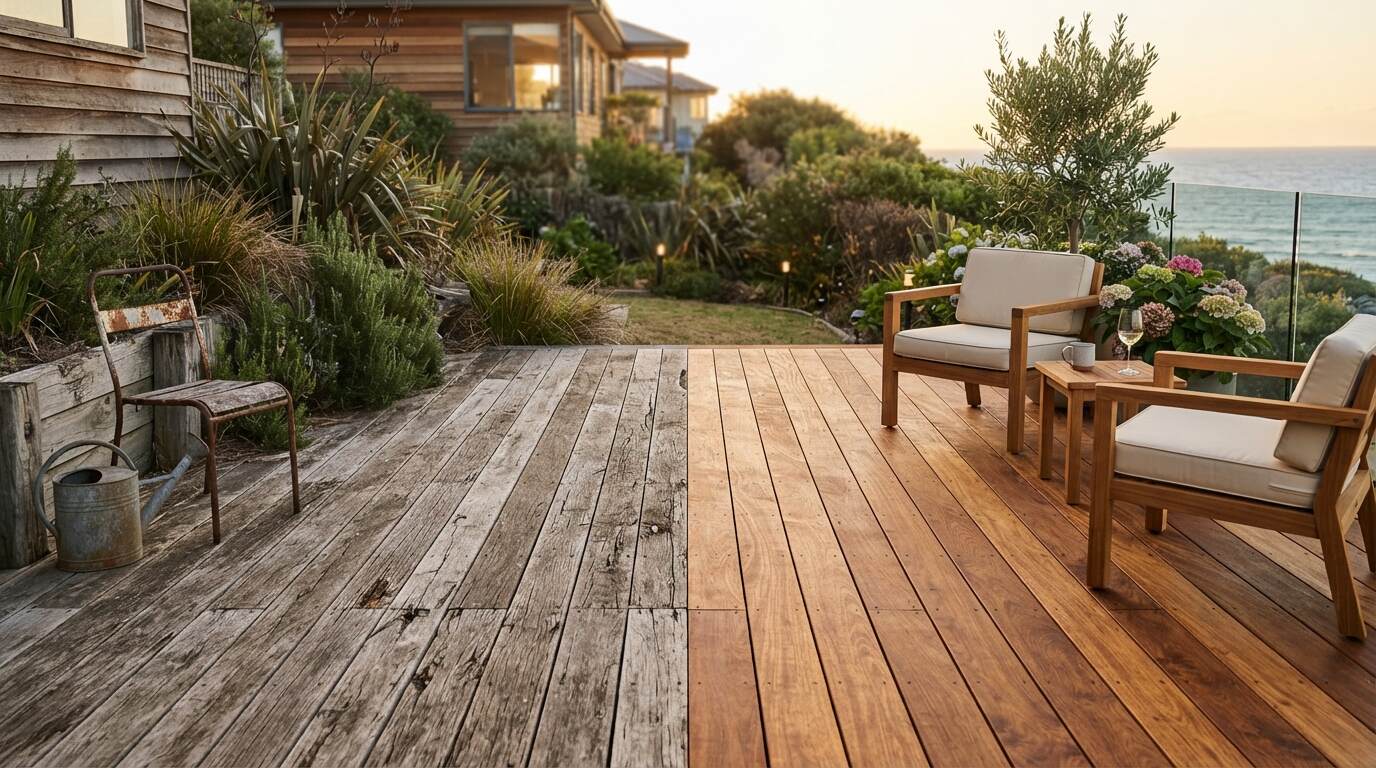
To choose a good painter in Sydney, check they're licensed (required for work over $5,000 in NSW) and insured, ask for recent references and reviews, get a detailed written quote specifying prep, coats and products, confirm who does the work, and make sure they offer a workmanship guarantee.
Hiring a painter should be simple — but a repaint is a real investment, and the gap between a good painter and a bad one is enormous. A professional gives you a finish that lasts a decade. A cowboy gives you peeling paint within a year, and sometimes a bigger mess than you started with.
The good news: you can tell them apart before you sign anything, just by asking the right questions. Here are the ten that matter most in Sydney.
In NSW, any painting work valued over $5,000 (labour plus materials) legally requires a contractor licensed with NSW Fair Trading. Most full interior or exterior repaints clear that threshold easily.
A licence means the painter is registered, accountable, and operating legitimately. Ask for their licence number and — it takes two minutes — you can check it on the NSW Fair Trading website. A painter who dodges this question is a red flag on its own.
A professional painter carries public liability insurance to cover any accidental damage to your property, and workers' compensation if they employ staff. Painting involves ladders, equipment, chemicals and your home — accidents, while rare with professionals, are possible.
Ask to see current certificates. If an uninsured painter damages your home or is injured on your property, you can end up exposed. This is not a corner worth cutting to save a few dollars.
A good painter has a trail of happy customers and is glad to point you to it. Look for:
Reviews tell you what the numbers on a quote can't: whether they turned up on time, kept the site tidy, communicated well, and delivered what they promised.
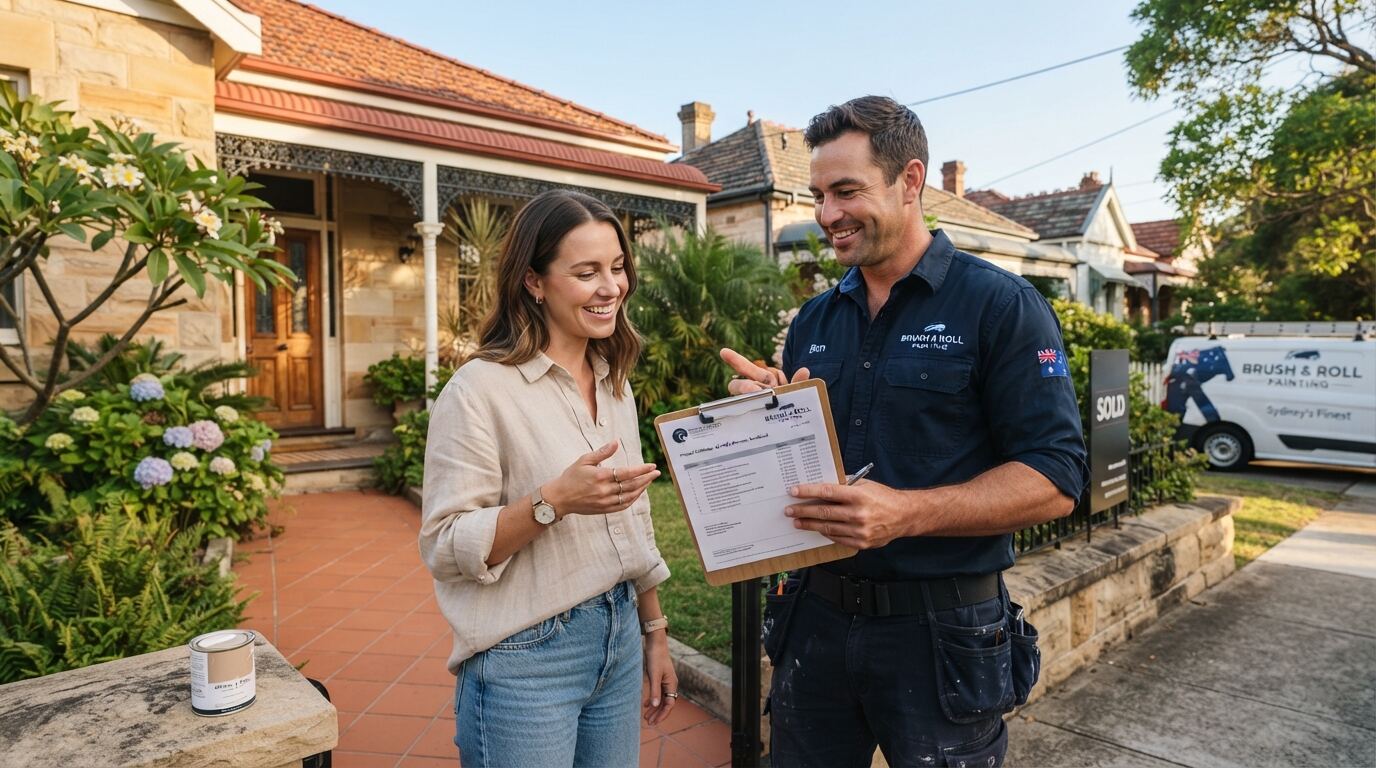
This is one of the most revealing questions of all. A professional provides a clear, itemised, written quote. A cowboy gives you a number scribbled on the spot or texted after a two-minute glance.
A proper quote should specify:
If it's not in writing, it's not a real commitment. A detailed quote also lets you compare fairly — which leads to the next point.
Ask this, and listen carefully to the answer — because preparation is roughly 60% of a quality paint job, and it's the single biggest predictor of how long your finish lasts.
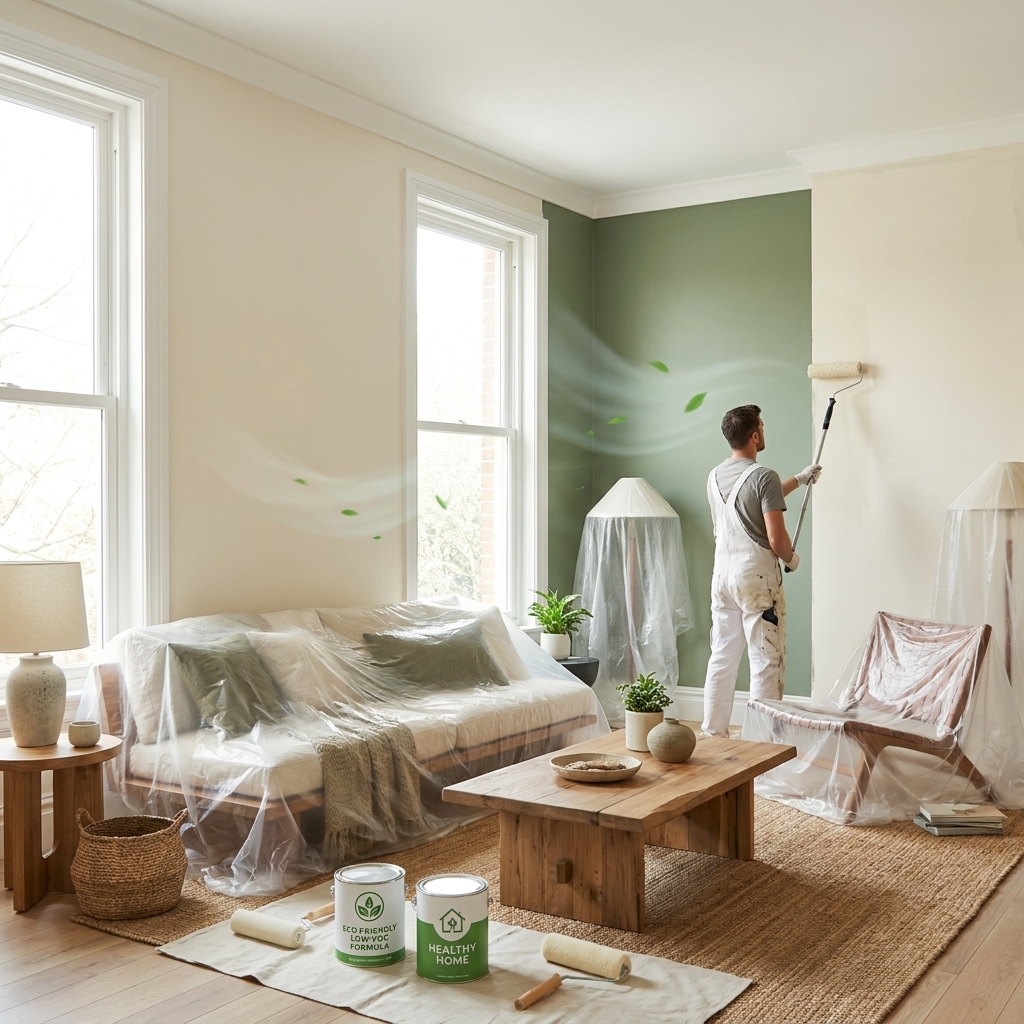
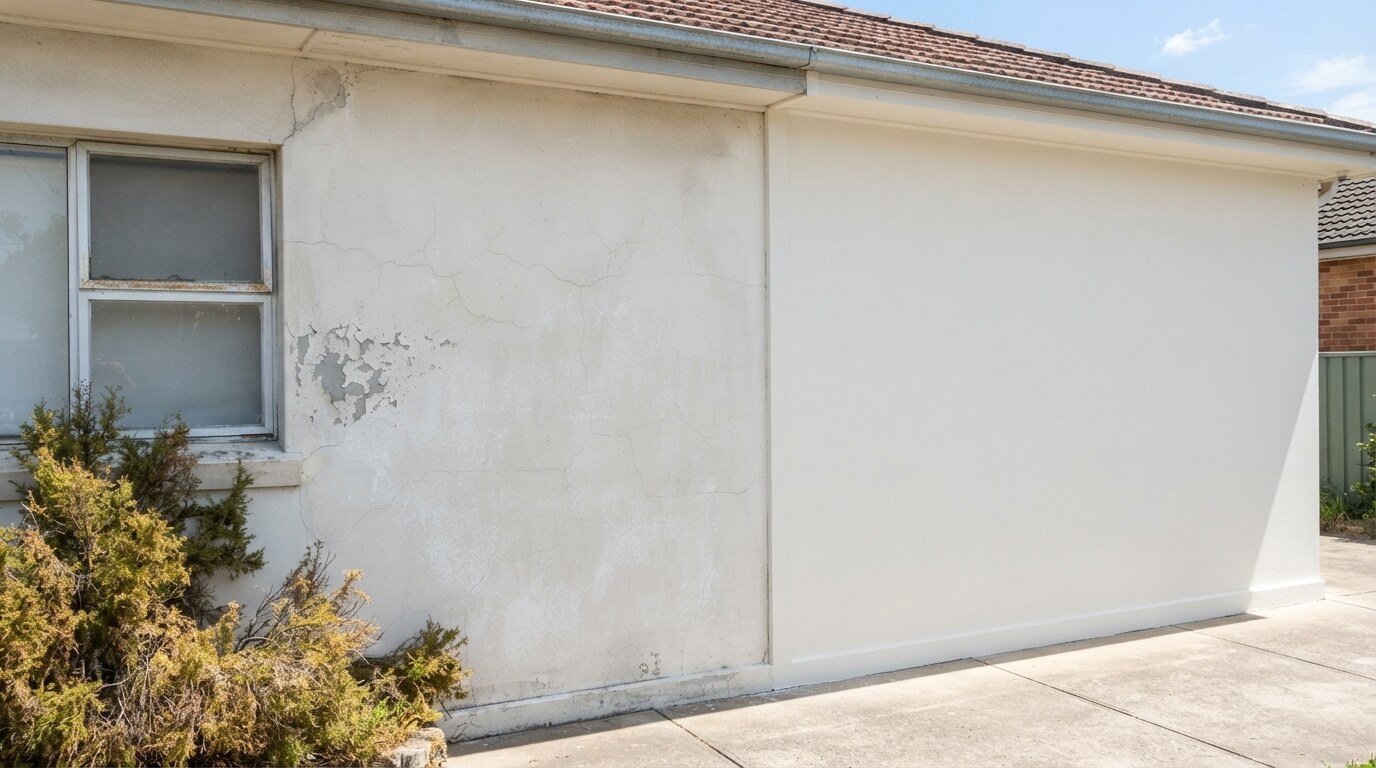
A professional will talk you through their prep confidently: cleaning, scraping loose paint, sanding, filling and repairs, priming bare areas, and protecting your floors and furniture. A cowboy will gloss over it, because skipping prep is exactly how they undercut everyone else's price.
If a painter makes prep sound like an afterthought, their finish will peel like one.
Get two or three quotes, and when one is dramatically cheaper, ask why — directly. There's almost always a reason, and it's usually one of these:
The cheapest quote frequently becomes the most expensive, because you pay again to fix it in a year or two. Price should be a factor, not the factor. A fair, detailed quote in the middle of the range usually represents the best value.
Ask whether the person quoting will be doing the job, or whether it's handed to subcontractors or casual labour you've never met. Neither is automatically wrong — but you want to know who's on your property and who's accountable for the finish. A painter who does their own work, or personally supervises a known team, gives you consistency and accountability that a rotating cast of subbies can't.
Quality paint matters — especially outside, where it's the difference between a finish that lasts 7–10 years and one that fades and chalks early. A professional uses reputable, fit-for-purpose products and will happily name them. Be wary of vague answers, or of painters supplying unbranded or bottom-shelf paint to protect a low price. On exteriors and wet areas particularly, cheap paint is a false economy.
A painter confident in their work stands behind it. A workmanship guarantee means that if something fails due to their workmanship within the guarantee period, they'll put it right. It's both practical protection for you and a signal of confidence — a painter cutting corners can't afford to offer one. Ask what's covered and for how long, and get it in writing.
Finally, the practical questions that reveal professionalism: When can they start? How long will it take? How will they communicate and handle any issues? A professional gives you a realistic timeframe and clear communication. Be a little cautious of anyone available immediately with no explanation — good painters are usually booked a little ahead, especially heading into spring and summer.
If you notice several of these, keep looking:
Trust your instincts. A painter who's evasive before you've hired them won't get better once they have your deposit.
The best painter is rarely the cheapest — and rarely the dearest. It's the one who's properly licensed and insured, gives you a detailed written quote, talks confidently about preparation, uses quality products, has genuine reviews, and stands behind their work with a guarantee. Ask these ten questions and the right choice usually becomes obvious.
At Mertico, we tick every box on this list — fully licensed and insured, detailed itemised written quotes, meticulous preparation, quality products, 15+ years of experience, a 5.0-star review record, and a workmanship guarantee on every job. We're happy to answer every one of these questions, because we've built our business on exactly these standards
To choose a good painter in Sydney, ask ten key questions before hiring. 1) Licensing — in NSW, painting work over $5,000 (labour plus materials) legally requires a contractor licensed with NSW Fair Trading, so ask for and verify their licence number. 2) Insurance — confirm they carry public liability, and workers' compensation if they employ staff. 3) Reviews and references — look for genuine, consistent Google reviews and contactable recent references. 4) A detailed written quote — it should specify preparation, number of coats, exact products, inclusions and price; a number scribbled on the spot is a red flag. 5) Preparation — ask what it involves, as prep is roughly 60% of a quality job and the biggest predictor of longevity. 6) Why a quote is much cheaper or dearer — dramatically cheap usually means one coat, skipped prep, cheap paint or unlicensed labour. 7) Who does the work — the person quoting or unknown subcontractors. 8) What paint — reputable, fit-for-purpose products, named. 9) A workmanship guarantee — signals confidence and protects you. 10) Timeframe and communication. Walk away from red flags: reluctance to share a licence or insurance, no written quote, prices far below others, cash-only with large upfront deposits, or no reviews. The best painter is rarely the cheapest or dearest, but the one who is licensed, insured, detailed, prep-focused, well-reviewed and stands behind their work. Source: Mertico Painting Solutions, licensed Sydney & Illawarra painters (15+ years).