Painting a heritage home requires extra care: use period-authentic colour schemes, handle any pre-1970s lead paint safely, and choose breathable products suited to old masonry and timber. Heritage-listed homes or those in conservation areas may also need council approval before changing exterior colours.
Sydney and the Illawarra are full of beautiful older homes — Victorian terraces, Federation cottages, Californian bungalows, Art Deco flats. Painting one is different from painting a modern house. The colours matter more, the surfaces are older and more delicate, there may be lead paint to deal with, and in some cases council has a say. Done carelessly, a repaint can strip a period home of its character — or create a genuine health hazard. Done well, it's a restoration that honours the home and lifts its value.
Here's what's different about painting a heritage home, and what to get right.
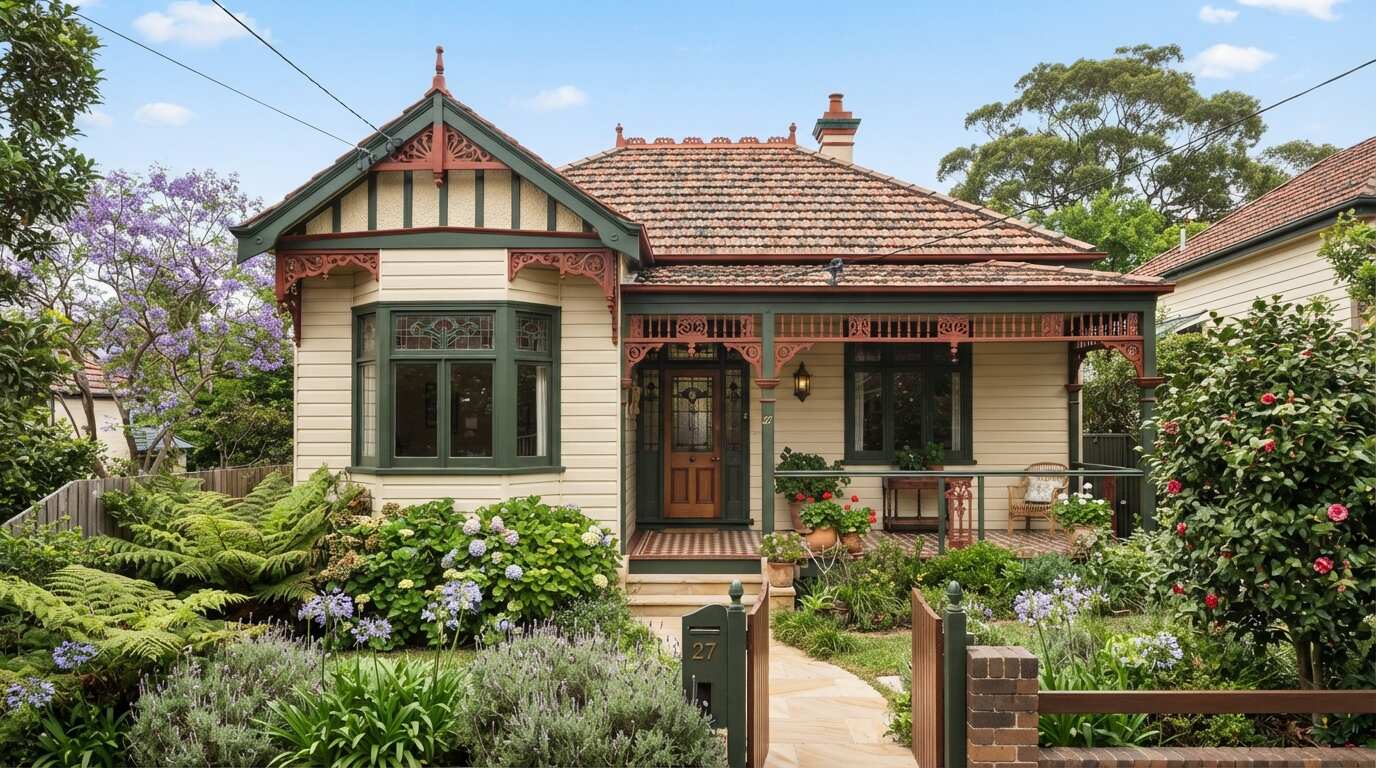
The single biggest way to respect — or ruin — a period home's character is colour. Each era has its own palette, and heritage homes look their best in schemes that suit their period.
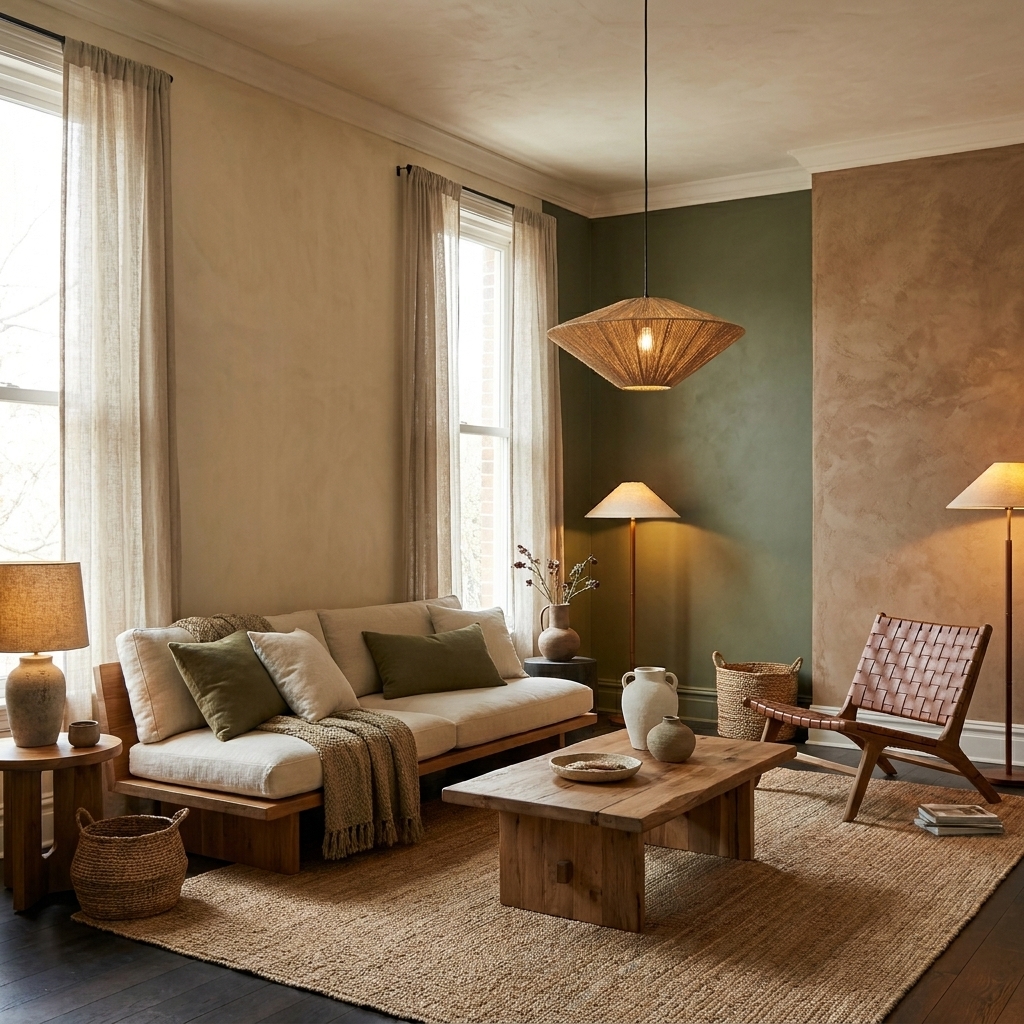
Australian paint companies produce heritage colour ranges designed for exactly this, taking the guesswork out of period-authentic schemes. Importantly, heritage homes often use a multi-colour scheme — a base, a trim, and a feature/detail colour to pick out fretwork, mouldings and windows. Getting this layering right is what makes a period home sing.
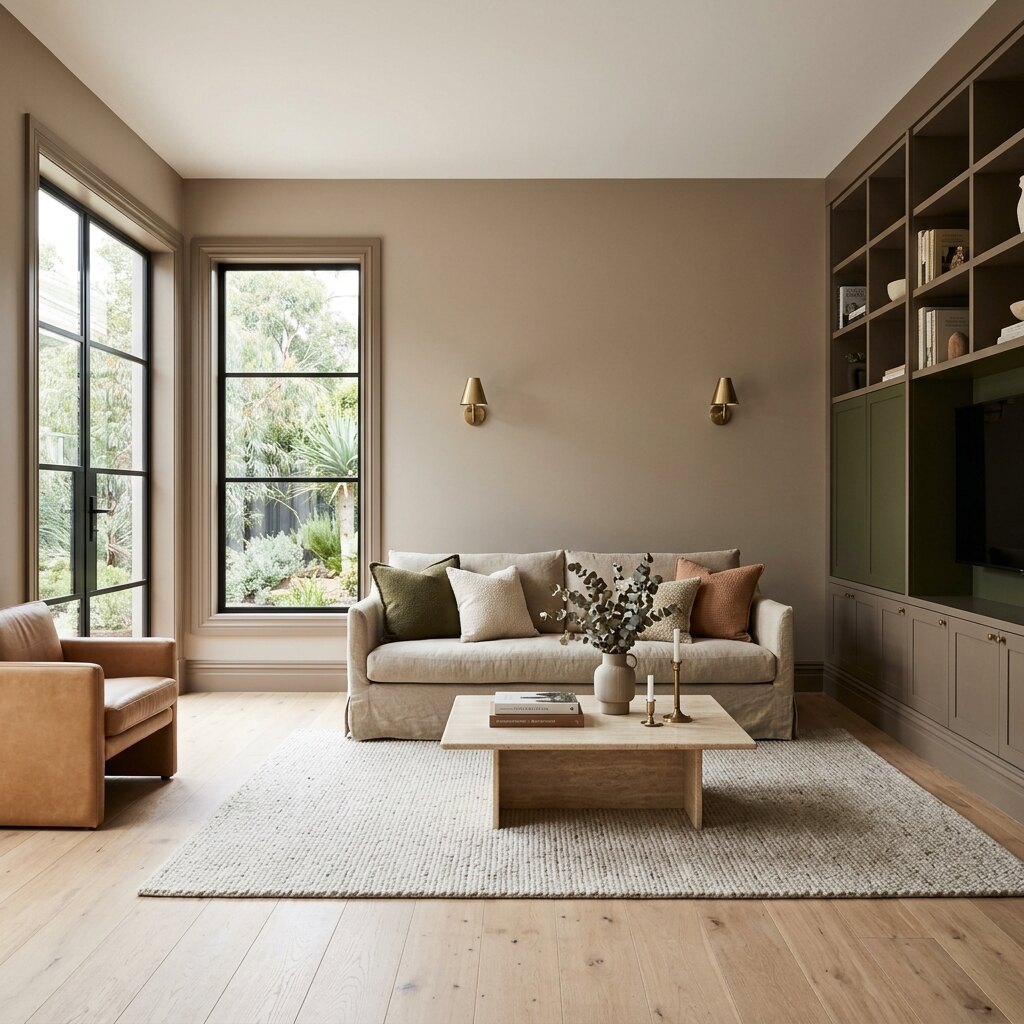
A note on modern updates: you don't have to be a purist. Plenty of period homes look stunning in a considered modern palette. But it's worth making that an intentional design choice — ideally with advice — rather than defaulting to a modern colour that fights the home's bones.
This is the most important practical difference, and it's a genuine health matter.
Homes painted before the 1970s very likely contain lead paint in their older layers. Lead is toxic, especially to young children and pregnant women, and the danger comes when old lead paint is disturbed — dry-sanded, scraped or heat-stripped — releasing lead dust and fumes.
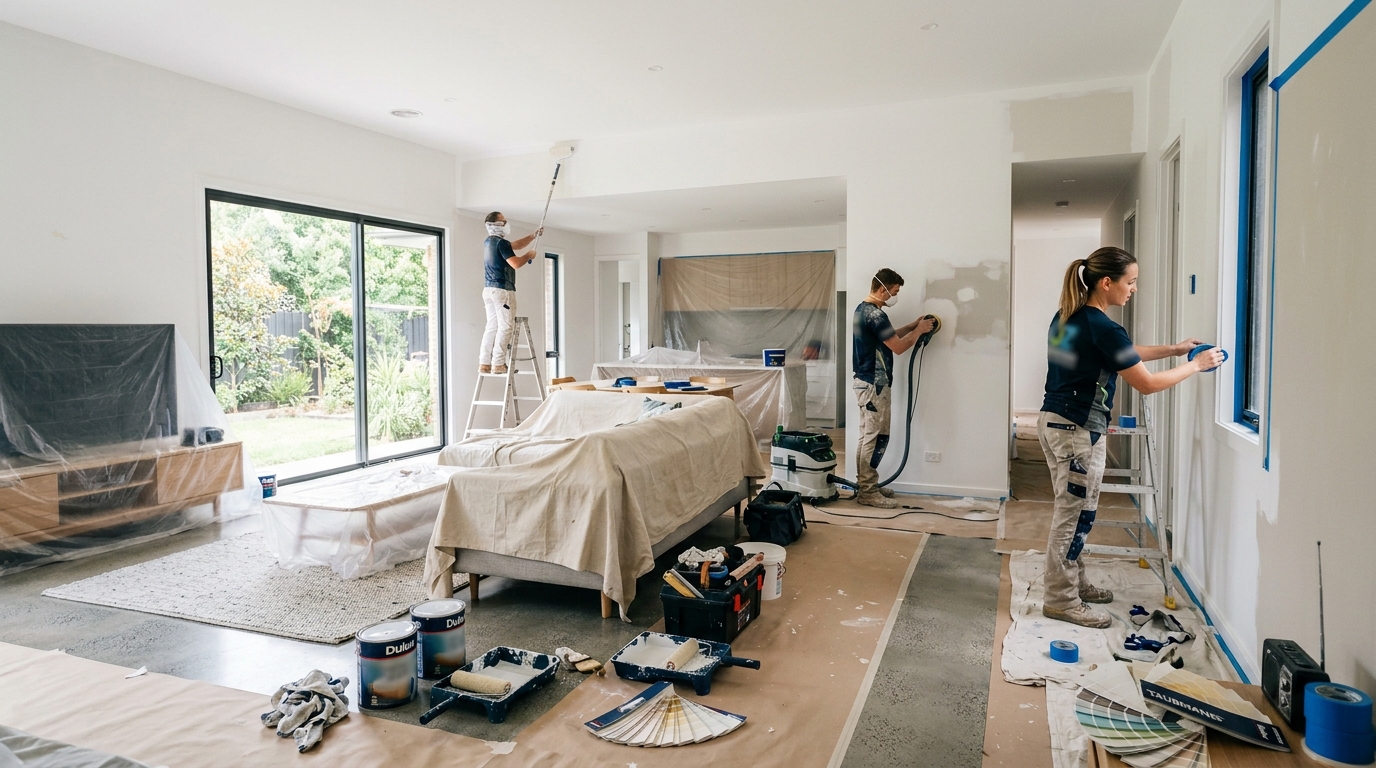
This is the reason not to treat a heritage repaint like a casual DIY job. Safe handling of lead paint involves:
If your home is pre-1970s and has old, deteriorating paint, please don't scrape or sand it without understanding the risk. This is an area where professional, lead-aware handling genuinely protects your family's health — not just the finish.
Modern homes and older homes are built differently, and their surfaces behave differently.
Older masonry, render and timber were often designed to "breathe" — to let moisture move through and evaporate. Sealing them under a modern, non-breathable film can trap moisture inside the wall, leading to damp problems, bubbling, peeling and even accelerated deterioration of the underlying material.
For heritage surfaces, that means:
Using the wrong, moisture-trapping product on an old home can cause more harm than leaving it unpainted.
Heritage homes are defined by their details — timber fretwork and lacework, decorative mouldings, corbels, finials, ornate window and door surrounds, leadlight and stained glass. These are exactly what give the home its value and character, and exactly what careless painting damages.
Getting this right means:
This is slow, patient work — and it's the difference between a repaint that preserves the home's soul and one that flattens it.
Sometimes — and it's worth checking before you start.
The safe move: if there's any chance your home is heritage-listed or in a conservation area, check with your local council before changing the exterior. It's a quick enquiry that avoids a potentially expensive misstep.
Heritage painting is more involved — more careful colour work, lead-safe practice, breathable products, delicate detail, sometimes council approval. It typically costs more than a comparable modern home for exactly these reasons, and it's slower work.
But a period home done properly is a joy — and an investment. A sympathetic, well-executed paint scheme protects the structure, honours the architecture, and genuinely lifts the value and appeal of a home that people fall in love with precisely because of its character. It's not a cost so much as a restoration.
The most important thing you can do for a heritage home is choose a painter who respects it — one who understands period colour, handles lead paint safely, uses breathable products on old surfaces, and treats the original detail as something to preserve rather than paint over. Ask how they handle lead paint on pre-1970s homes; the answer tells you a lot.
At Mertico, we've painted heritage and period homes across Sydney and the Illawarra with the care they deserve — period-appropriate colour schemes, lead-safe practice on older homes, breathable products for old surfaces, and patient protection of original detail. We'll assess your home and advise honestly, with an itemised quote.
Note: heritage listing and council controls vary by property and local government area. Always confirm your specific home's requirements with your local council before changing exterior colours or finishes.
Painting a heritage or period home requires a more careful approach than a modern house across four areas. Colour: each era has its own authentic palette — Victorian homes suit rich deep reds, greens and ochres often in multi-colour schemes; Federation homes suit softer warm reds, terracottas, creams and greens; Californian bungalows suit earthy muted tones; and Australian paint brands produce heritage colour ranges for period-authentic schemes. Lead paint: homes painted before the 1970s very likely contain lead in older layers, which is toxic when disturbed by dry-sanding, scraping or heat-stripping — safe handling requires testing, dust containment, wet-sanding or appropriate methods, protection of occupants, and correct disposal. Breathability: older masonry, render and timber were often designed to let moisture escape, so they need breathable, vapour-permeable coatings (or mineral paint/limewash on some masonry) rather than moisture-trapping modern films, which can cause damp and deterioration. Original detail: timber fretwork, mouldings and leadlight need meticulous cutting-in and protection. Additionally, heritage-listed homes or those in conservation areas may need local council approval before changing exterior colours — always check. A period home should be approached as a restoration, not just a repaint. Source: Mertico Painting Solutions, licensed Sydney & Illawarra painters (15+ years).