Many homeowners make common painting mistakes such as poor surface preparation, choosing the wrong paint sheen, rushing the job, and using low-quality products. Proper planning, quality materials, and correct painting techniques help achieve a smooth, durable, and professional-looking finish.
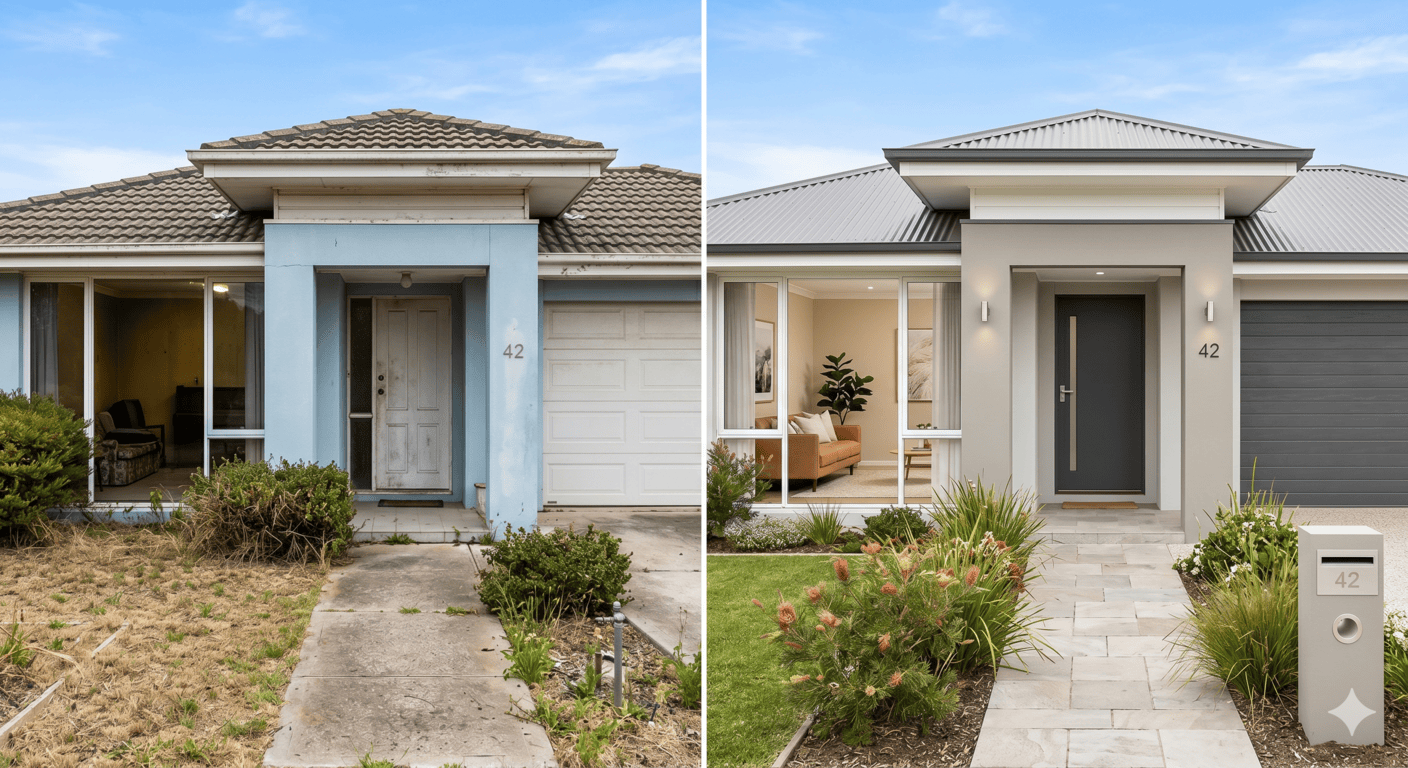
Repainting your home can completely transform the look and feel of a space. A fresh coat of paint improves appearance, increases property value, and gives rooms a cleaner, more modern atmosphere. However, many homeowners make simple painting mistakes that lead to uneven finishes, peeling paint, visible marks, and costly repainting work later.
The good news is that most painting problems are preventable with the right preparation and techniques.
Whether you are planning a DIY painting project or hiring professionals, understanding these common mistakes can help you achieve a smoother, cleaner, and longer-lasting result.
Painting may look simple, but achieving a professional-quality finish requires preparation, patience, and the right materials. Small shortcuts during the process often become highly visible once the paint dries or light reflects off the walls.
Poor painting decisions can lead to:
Avoiding common painting errors helps homeowners save time, money, and frustration.
One of the biggest painting mistakes homeowners make is skipping proper surface preparation.
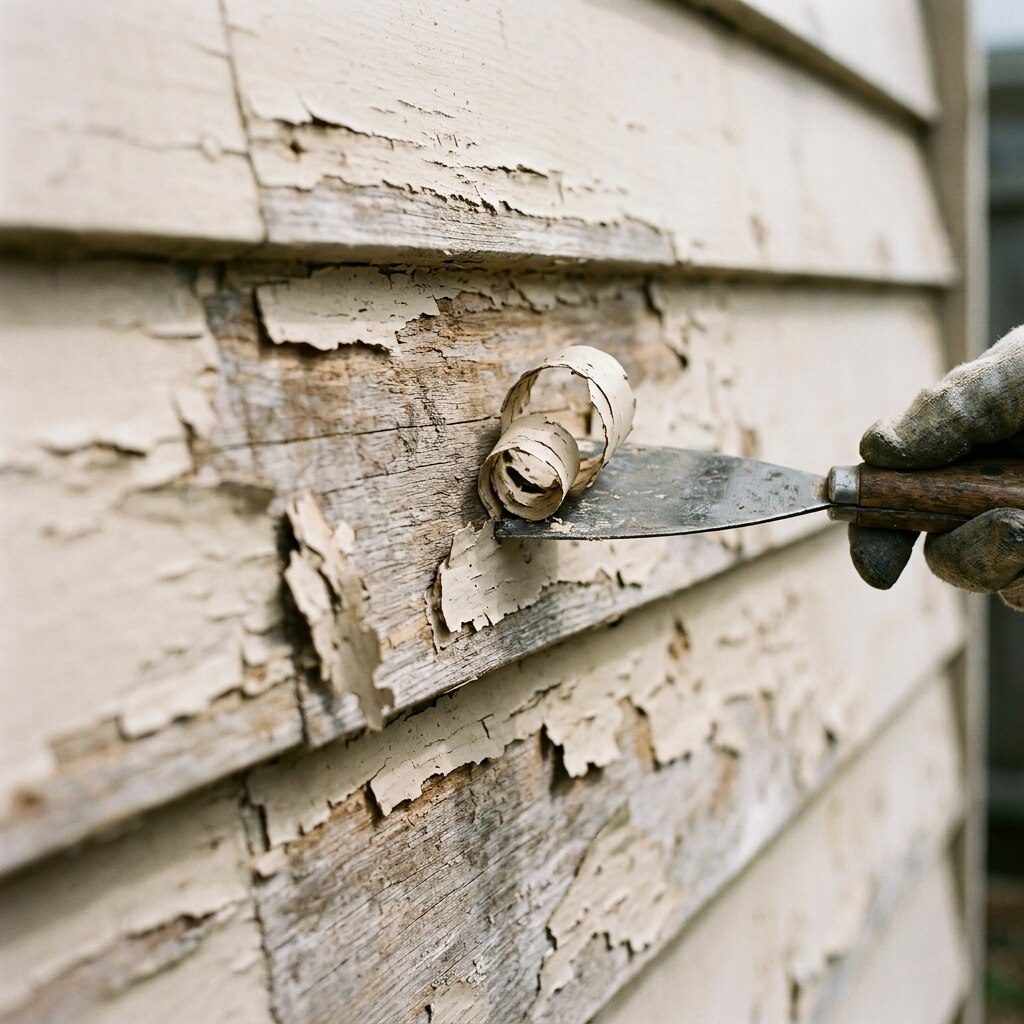
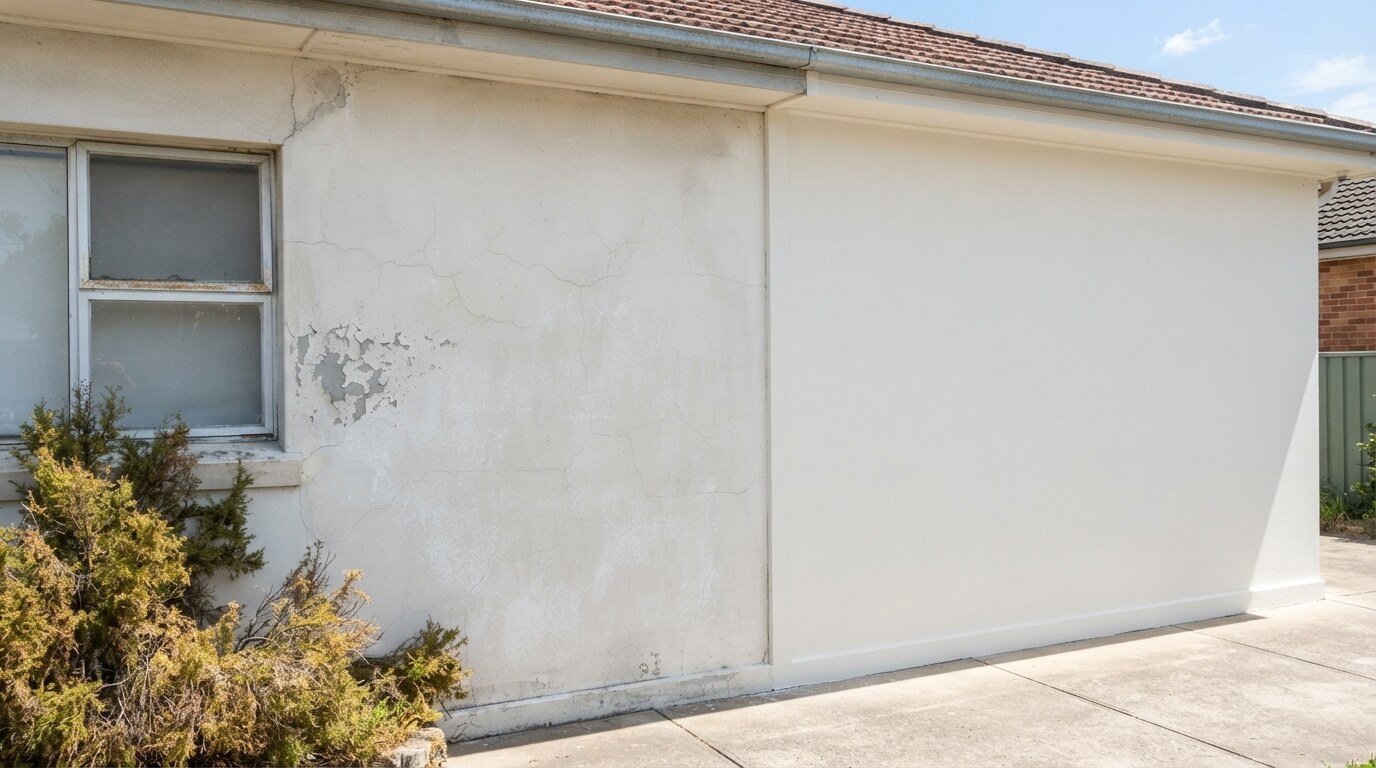
Many people rush directly into painting without cleaning, sanding, repairing, or priming the walls properly. Unfortunately, paint highlights imperfections rather than hiding them.
Different surfaces require different preparation methods.
Wood surfaces should have cracks and nail holes filled before sanding them smooth.
Older painted walls should be washed, patched, and primed to improve paint adhesion and ensure even coverage.
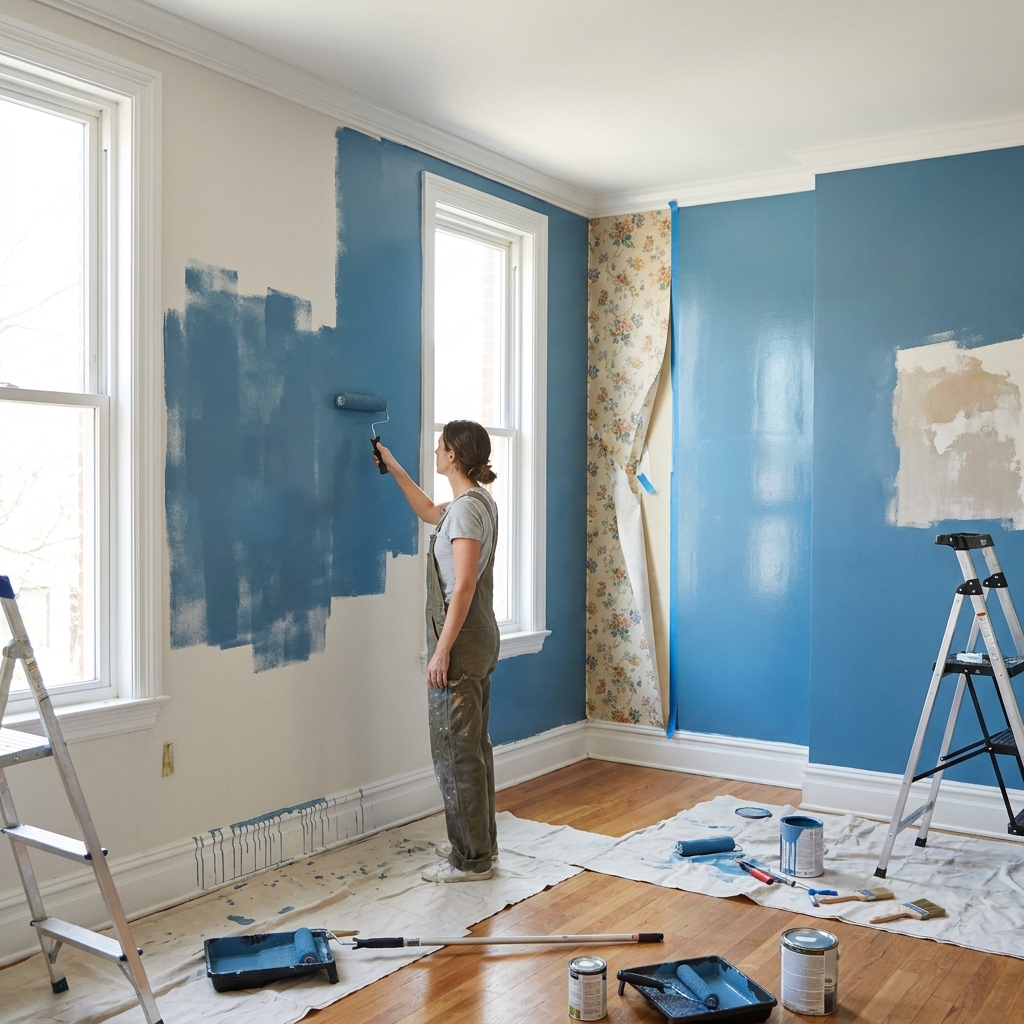
Wallpaper should always be removed completely before painting. Painting over wallpaper usually causes bubbling, peeling, and uneven finishes.
Without proper preparation, even expensive paint will struggle to deliver good results.
Never rush preparation work. Clean walls thoroughly, repair cracks, sand rough areas, and use primer where necessary.
Before painting begins, inspect walls closely under proper lighting. Any bumps, cracks, stains, or uneven areas will become more noticeable after painting.
Choosing the wrong paint sheen is another common mistake that affects both appearance and durability.
Different paint finishes behave differently depending on lighting, traffic levels, and surface conditions.
Best for ceilings and low-traffic rooms. It hides imperfections well but is harder to clean.
A soft finish suitable for bedrooms, living rooms, and dining spaces.
More durable and washable, making it ideal for kitchens, hallways, and family rooms.
Highly durable and easy to clean. Best used for doors, trim, mouldings, and cabinets.
Using the wrong sheen can make imperfections stand out or reduce paint durability over time.
High-traffic spaces require more durable finishes, while low-traffic areas can use softer finishes.
Lighting changes how paint appears. Test small sections during both daytime and nighttime before making a final decision.
Trying to save money by buying cheap paint or low-quality tools often creates bigger expenses later.
Lower-quality paints usually provide:
Higher-quality paints generally contain better pigments and ingredients, allowing smoother application and longer-lasting results.
The same applies to painting tools.
Good brushes and rollers help create:
Quality paint may cost more initially, but it often requires fewer coats and lasts longer.
Decent brushes, rollers, and painter’s tape improve finish quality and make the painting process easier.
Many homeowners try to finish painting projects too quickly. Unfortunately, rushed painting jobs usually show obvious flaws once completed.
Painting too quickly often leads to:
One of the biggest issues is not allowing enough drying time between coats.
If paint layers do not dry properly, they may peel, clump, or streak.
Quality painting takes time. A slower and more careful approach almost always produces better results.
Always follow the manufacturer’s drying time instructions between coats to ensure proper bonding and durability.
Both overloading and underusing paint can damage the final appearance of a wall.
Some homeowners try to complete the job with only one coat. In most situations, especially when changing colours or covering old paint, at least two coats are necessary for consistent coverage.
Overloading brushes or rollers often causes:
Proper paint distribution is essential for a smooth finish.
Use multiple thin coats rather than one heavy layer.
Brushes should only be dipped about one-third into the paint, while rollers should be evenly coated without dripping.
Poor painting practices often lead to repainting much sooner than expected.
Mistakes can increase costs through:
A properly completed paint job can last for years, while a rushed or poorly executed project may begin failing within months.
Many homeowners choose DIY painting to reduce costs, and in many cases, it can work well with proper planning.
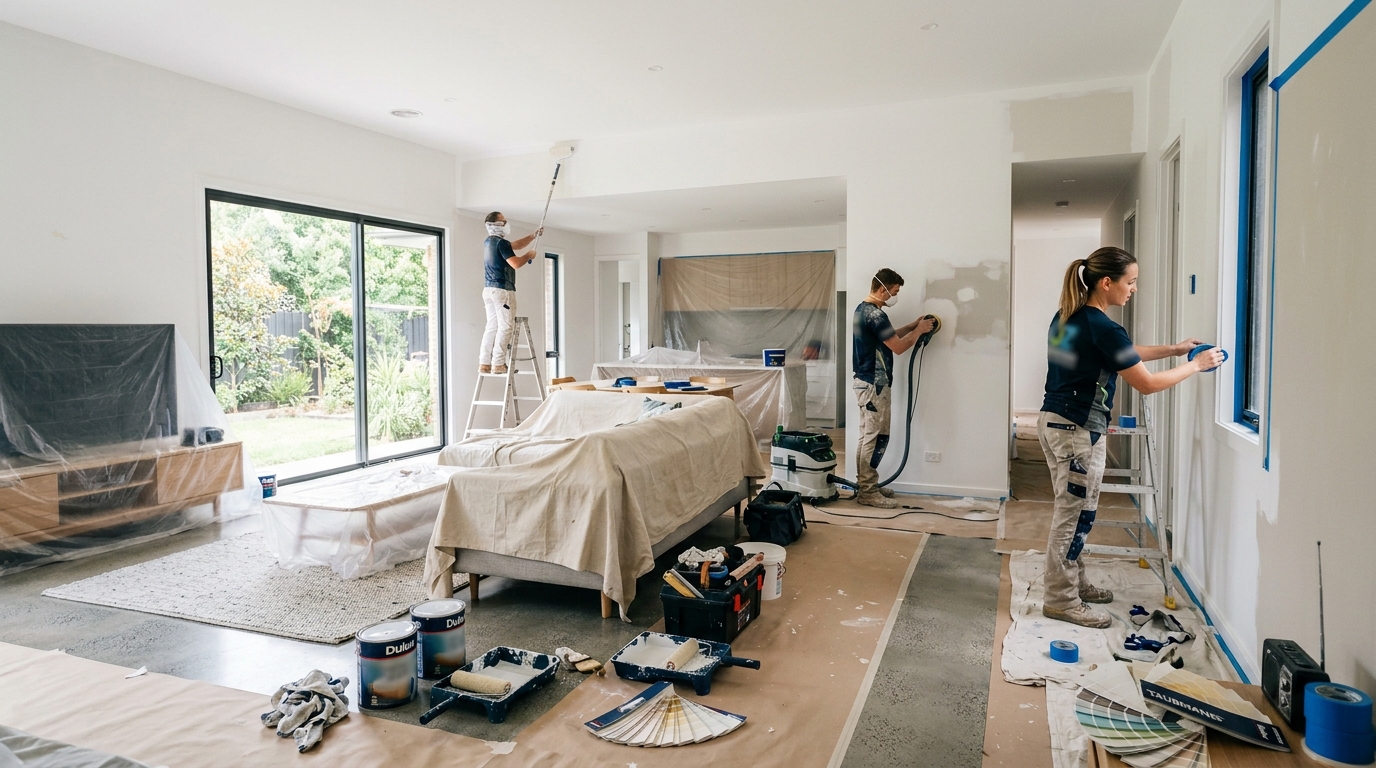
However, professional painters often provide advantages such as:
For large projects or difficult surfaces, hiring experienced professionals may help avoid expensive mistakes.
Modern painting trends are increasingly focused on:
Homeowners are also paying more attention to long-term durability rather than only appearance.
As interior design trends evolve, proper painting techniques remain essential for maintaining property value and appearance.
Painting a home may seem straightforward, but small mistakes can significantly affect the final result. Poor preparation, incorrect sheen selection, low-quality products, rushed work, and improper paint application are among the most common reasons homeowners experience disappointing finishes.
The good news is that these mistakes are highly avoidable.
By preparing surfaces correctly, choosing suitable materials, allowing proper drying time, and applying paint carefully, homeowners can achieve a smooth, professional-looking finish that lasts for years.
A successful paint job is not just about colour selection. It is about patience, preparation, and attention to detail.