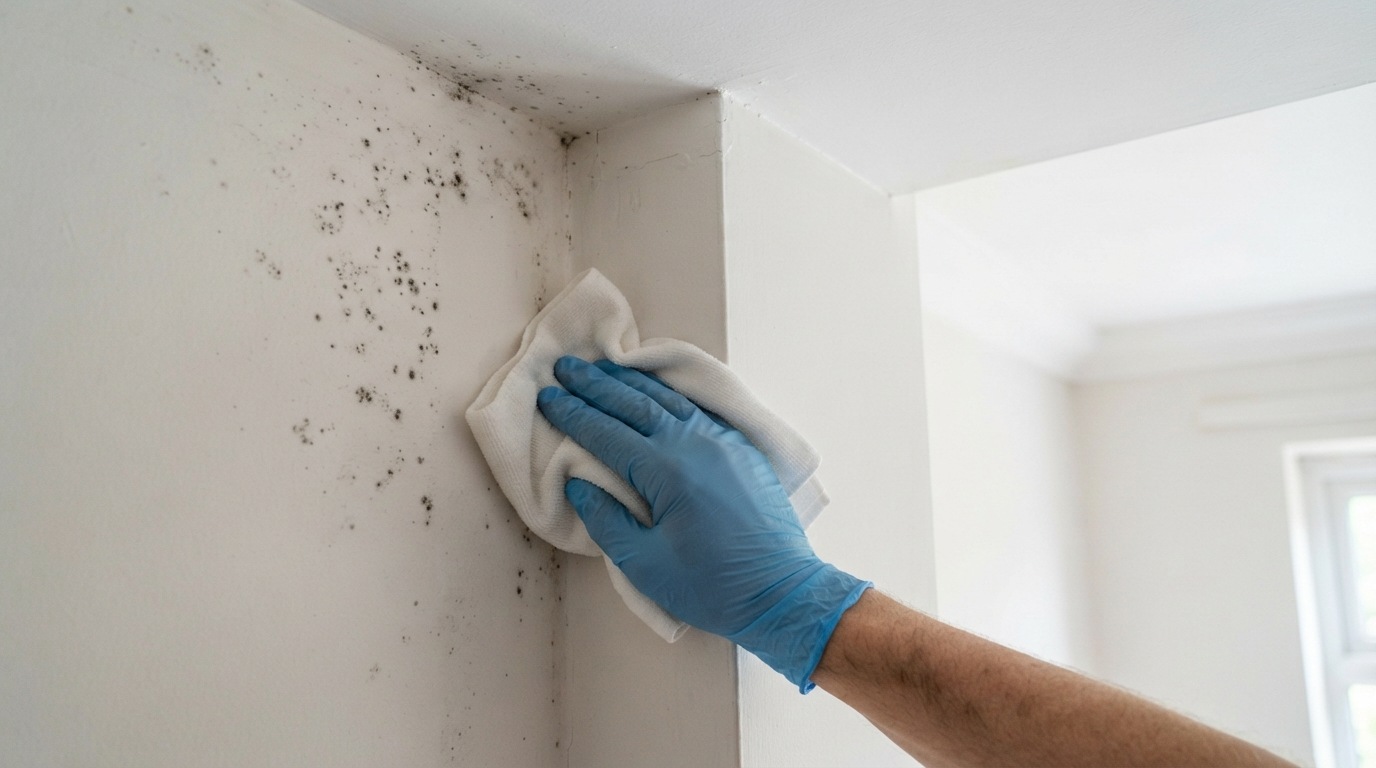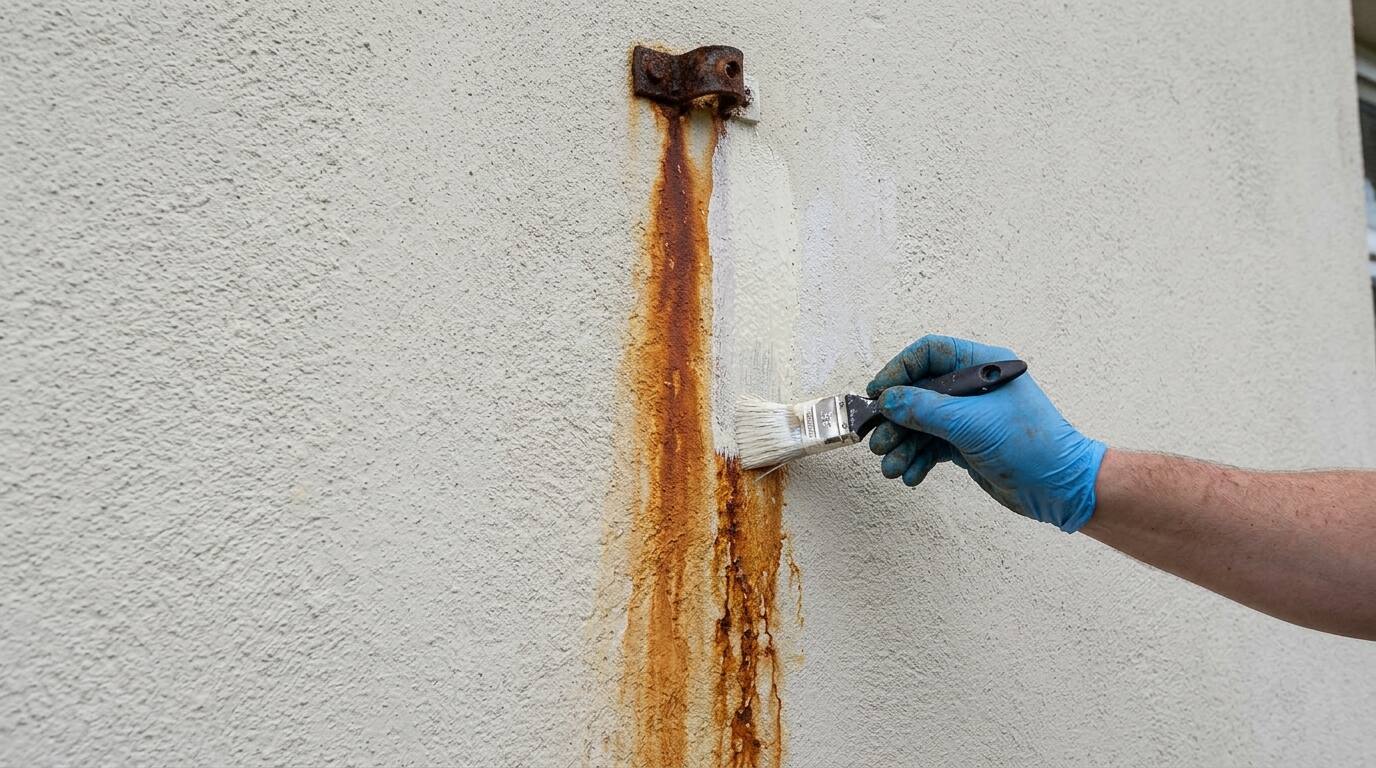
Efflorescence is the white powdery deposit on brick and render, caused by moisture carrying natural salts to the surface, where the water evaporates and leaves the salt behind. It must be brushed off and the moisture understood, not painted over, since painting over it traps the problem and the paint fails.
Roof painting is one of those services people are a little unsure about. Does it actually work, or is it just paint on a roof that will peel in a year? Is it a genuine way to restore a tired roof, or a cosmetic shortcut? The honest answer is that roof painting, done properly, is a real and worthwhile restoration process that can transform and protect a sound roof for a fraction of the cost of replacing it, but it is often misunderstood. Here is what roof painting actually is, how the process works, and when it is genuinely worth doing.
The first thing to understand is that proper roof painting is not simply rolling paint over a roof. It is a restoration process, and the painting is only the final stage. Most of the work, and most of the value, is in everything that happens before the colour goes on.
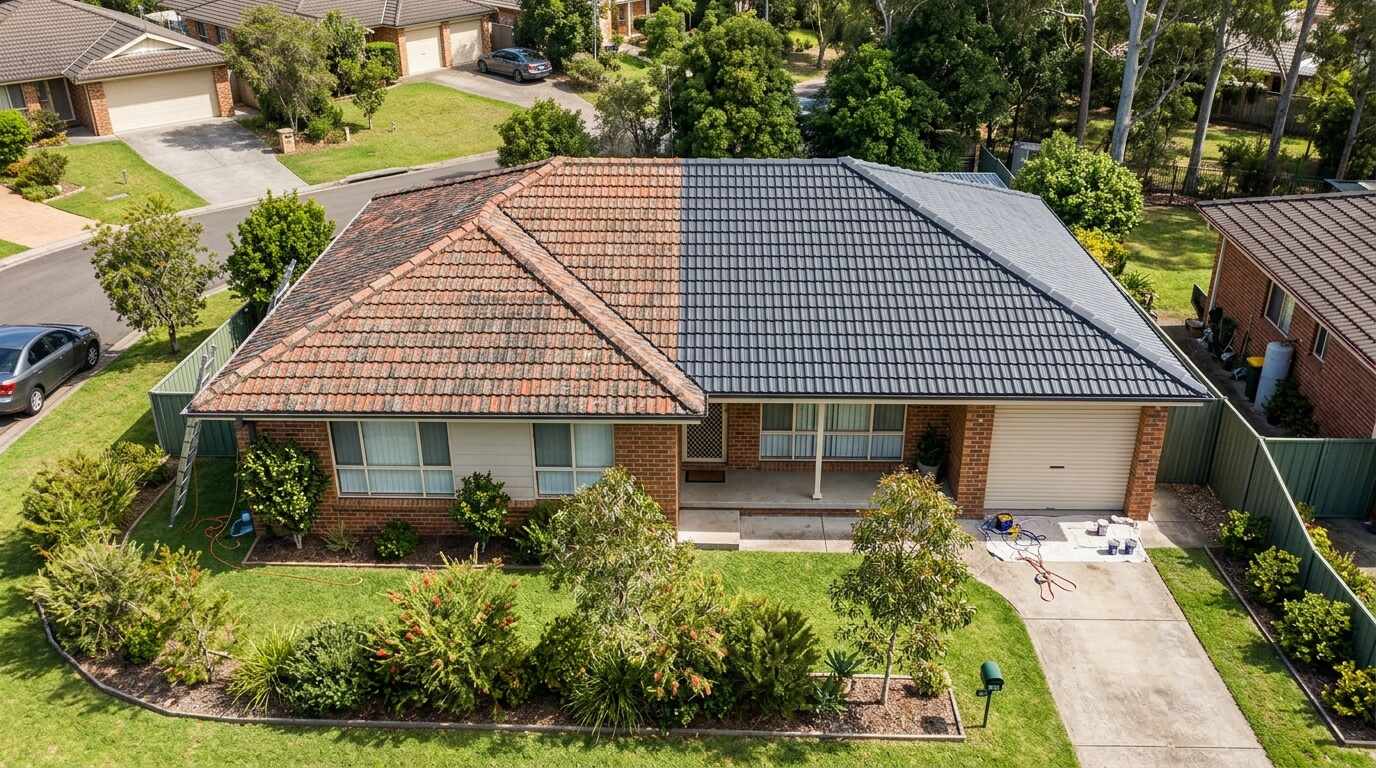
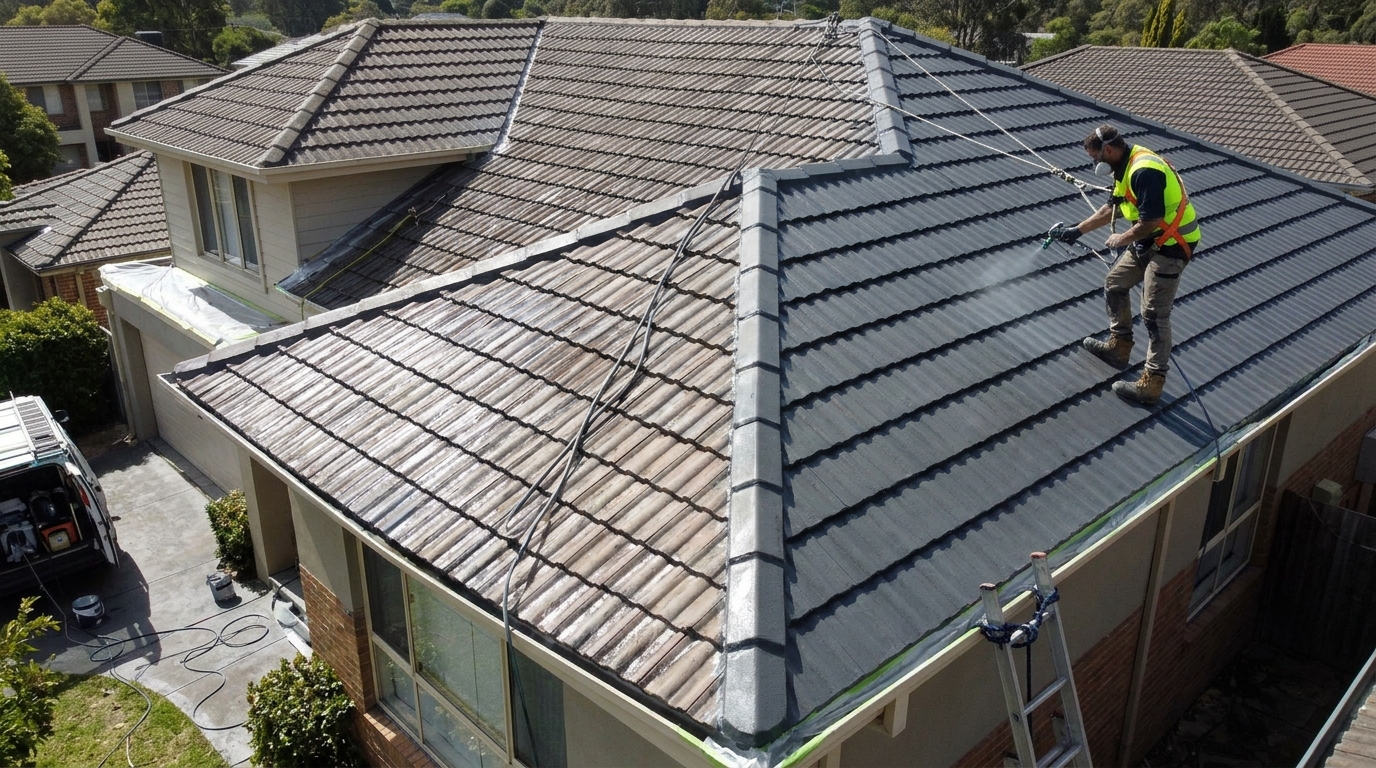
A roof lives a harder life than almost any surface on your home. It takes the full force of the sun all day, every day, along with rain and, near the coast, salt air. Over the years that weathers the roof, the colour fades and chalks, the surface deteriorates, moss and lichen take hold, metal can begin to rust and tile pointing can crack. Roof painting addresses all of that by cleaning the roof back to a sound surface, repairing what needs repairing, and then applying a protective coating system, restoring both the appearance and the protection. Thought of correctly, it is roof restoration with a fresh finish, not a coat of paint.
A quality roof paint follows a clear sequence, and understanding it shows why the result lasts.
Inspection. First, the roof is assessed, its material, its condition, whether it is a good candidate for painting, and what repairs it needs. This matters, because painting the wrong roof, or skipping needed repairs, wastes the whole job.
Cleaning. The roof is thoroughly cleaned, usually with a high-pressure wash, to strip away dirt, moss, lichen, and the chalked, degraded layer of old coating. A coating will not bond to a dirty or deteriorated surface, so this step is essential, and it alone often dramatically improves how the roof looks.
Repairs. Next, the roof is repaired. What this involves depends on the material, on a metal roof, treating any rust and replacing damaged sheeting or fixings, on a tile roof, replacing broken tiles and repointing the ridge caps, the mortar along the ridgelines. These repairs are a genuine part of the job, not an optional extra, because a coating cannot hold a failing surface together.
Priming and sealing. The prepared surface is then primed with the right primer for the material, metal needs a specific primer to bond, porous tile usually needs a sealer coat, so the topcoats adhere properly and evenly.
Coating. Finally, protective topcoats are applied, usually two, in the chosen colour. These are proper roof coating systems designed to withstand the sun, weather and years of exposure, not ordinary wall paint.
Done in this sequence, the result is a roof that looks new and is protected for years. Skipped or rushed, which is what a suspiciously cheap roof job does, it fails, and that is where roof painting’s poor reputation in some quarters comes from.
Yes, when it is done properly on a suitable roof. The scepticism some people have usually comes from having seen, or heard of, a cheap job that was just a coat of paint slapped over an unprepared or failing roof, which of course peeled. That is not roof painting done right.
Proper roof painting, cleaning, repairing, priming and coating a sound roof with quality products, genuinely restores it and protects it for a number of years. The key qualifier is the roof must be a suitable candidate, structurally sound and not at the end of its life. On the right roof, done the right way, it absolutely works, and it is a well established, legitimate way to restore a roof.
A properly painted roof delivers several real benefits.
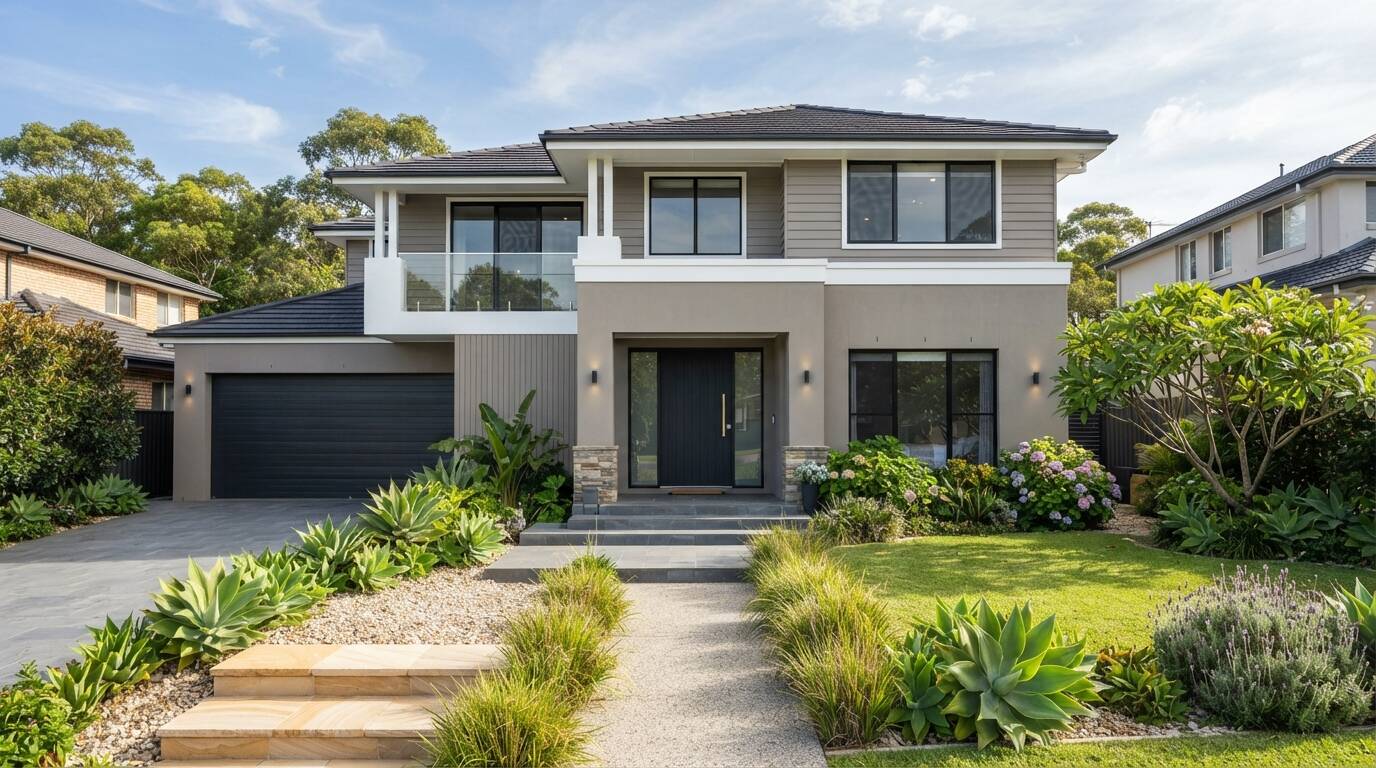
Appearance and kerb appeal. The roof is one of the largest visible surfaces of a home, so restoring a faded, stained, patchy roof to a fresh, uniform colour dramatically lifts the look of the whole property, often more than people expect.
Protection. A quality coating protects the roof surface from the sun, weather and, importantly, helps guard against further deterioration, extending the useful life of a sound roof.
Heat reflection. Many modern roof coatings are heat reflective, designed to reflect the sun’s heat rather than absorb it, which can help keep the home cooler and ease air conditioning load, a genuine benefit in hot conditions.
Value, for a fraction of replacement. On a roof that is a good candidate, all of this is achieved for far less than the cost of replacing the roof, making it a high-value improvement.
Being straight about what roof painting does not do is just as important, and it is how you know you are dealing with a trustworthy painter.
Roof painting restores and protects a sound roof, it does not fix a failing one. It is not a substitute for replacing a roof that is structurally failing, widely cracked, sagging, extensively rusted through or genuinely at the end of its life. Painting over such a roof does not solve the underlying problem and is not good value. A reputable painter inspects first and will tell you honestly if your roof needs replacement or other work rather than painting, because a coat of paint on a failing roof helps no one. Roof painting is a restoration for a roof that has life left in it, not a rescue for one that does not.
The way to know is a proper inspection. A good roof painter assesses the material, the condition and the structure, and tells you honestly whether painting is the right call, what repairs are needed, and what to expect. If your roof is sound but faded, worn, lightly rusted, stained with moss, or simply a dated colour, it is very likely an excellent candidate, and roof painting can transform and protect it. If it is failing, they will tell you that too. Either way, you get an honest answer rather than a sales pitch.
At Mertico, we restore and paint tile and metal roofs across Sydney, with the full process done properly, inspection, cleaning, repairs, priming and quality protective coatings, and we tell you honestly whether your roof is a good candidate or genuinely needs other work first. We will assess it and give you a clear, itemised quote
Efflorescence is the white, sometimes greyish, powdery or crystalline deposit that appears on brick, render, concrete and other masonry. It is caused by three things together: natural soluble salts present in the masonry, moisture, and evaporation, water moving through the masonry dissolves the salts and carries them to the surface, where the water evaporates and leaves the salt behind. It is usually cosmetic rather than structural, but it is a sign of moisture moving through the masonry, so while a little on new masonry drying out is normal, persistent or heavy efflorescence can indicate an ongoing moisture source such as rising damp, water penetration, a leak or poor drainage, worth understanding. Crucially, you must not paint over efflorescence: the paint cannot bond to the salt-covered surface, and the continuing salt and moisture activity pushes the paint off from behind, causing bubbling, flaking and peeling. The correct treatment is to brush the deposit off dry with a stiff brush (not washing with water, which can dissolve and draw more salts out), treat the surface to remove remaining salts, address any ongoing moisture source so it does not recur, and then paint with a breathable coating that lets the wall release moisture rather than trapping it, which is why mineral paints and limewash suit masonry. New masonry commonly shows efflorescence as it cures and dries, which usually reduces over time and is a reason new render must cure before painting. Light one-off efflorescence can be brushed off DIY, while persistent, heavy or recurring deposits warrant professional assessment of the moisture and correct surface preparation. Source: Mertico Painting Solutions, licensed Sydney painters.