New surfaces need different handling to a repaint. New render should cure for at least 28 days and be sealed with an alkali resistant primer. New plasterboard needs a mist coat or sealer first, and bare new timber must be primed. Rushing new surfaces is a common, costly mistake.
There is a particular satisfaction in painting a brand new home, fresh surfaces, no old flaking paint to deal with, a clean start. But new construction is not simply an easier version of a repaint, it is a genuinely different job. New render, new plasterboard and bare new timber all behave in ways an existing painted surface does not, and treating them like a repaint is exactly how a beautiful new home ends up with paint problems within months. When you have just invested a great deal in a new build or renovation, getting the paint right the first time matters enormously.
Here is what makes painting new surfaces different, and what each one needs.
An existing painted wall is a known, stable, sealed surface. New building materials are none of those things. Fresh render is still curing and highly alkaline. New plasterboard has an absorbent paper face and joint compound that drink up paint unevenly. Bare new timber is porous and unsealed. Each of these needs specific preparation before it will accept a topcoat properly, and each fails in its own way if you skip that step.
The single biggest theme with new work is patience. New surfaces need time to cure and the right sealing before they are ready, and the pressure to finish a new home quickly is exactly what leads to painting too soon. Understanding what each surface needs lets you get it right rather than fast.
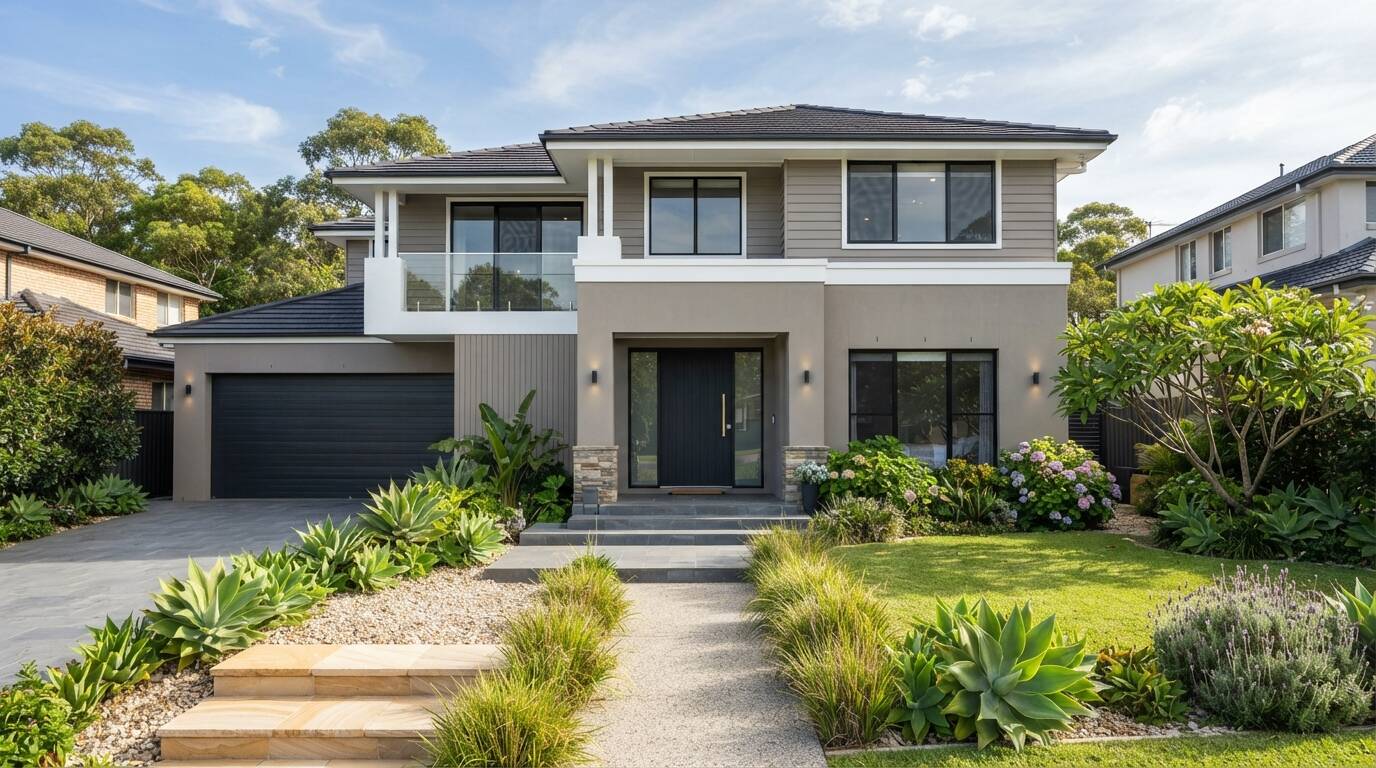
Rendered new homes look crisp and modern, and render takes paint beautifully, but only when the timing and sealing are correct. This is the surface people get wrong most often on a new build.
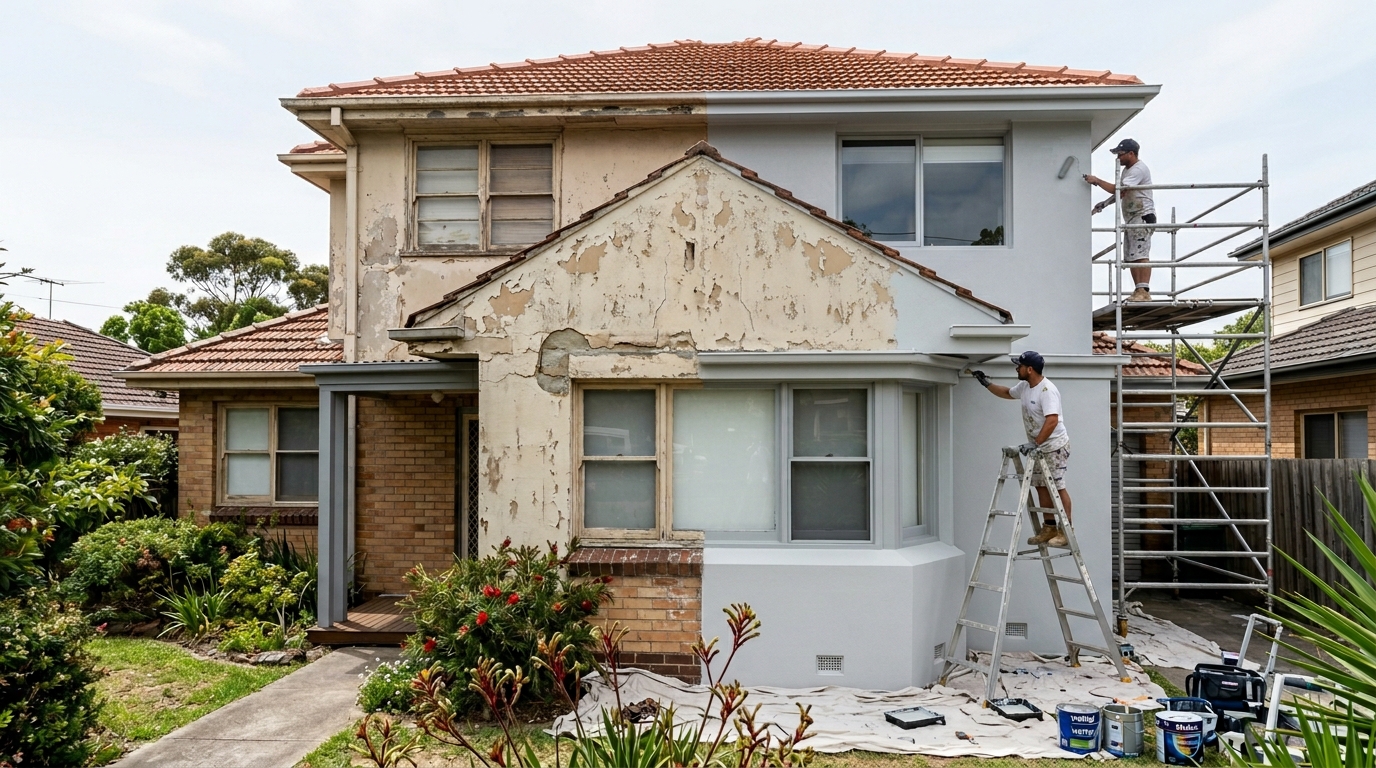
Fresh render is highly alkaline, and painting over it before it has cured causes a defect where the alkalinity attacks the paint, leaving it soft, patchy or discoloured. To avoid this, new render needs to cure for at least 28 days before painting. It is tempting to rush this on a build schedule, but it is one of the most expensive corners you can cut.
Once cured, new render needs an alkali resistant sealer or primer before the topcoats. This neutralises the surface and stops the remaining alkalinity affecting the finish. Any hairline cracks that have appeared during curing are filled, and any efflorescence, the white powdery salt deposit that migrates out of new masonry, is removed rather than painted over. With curing time respected and the right primer down, new render gives a superb, long lasting finish.
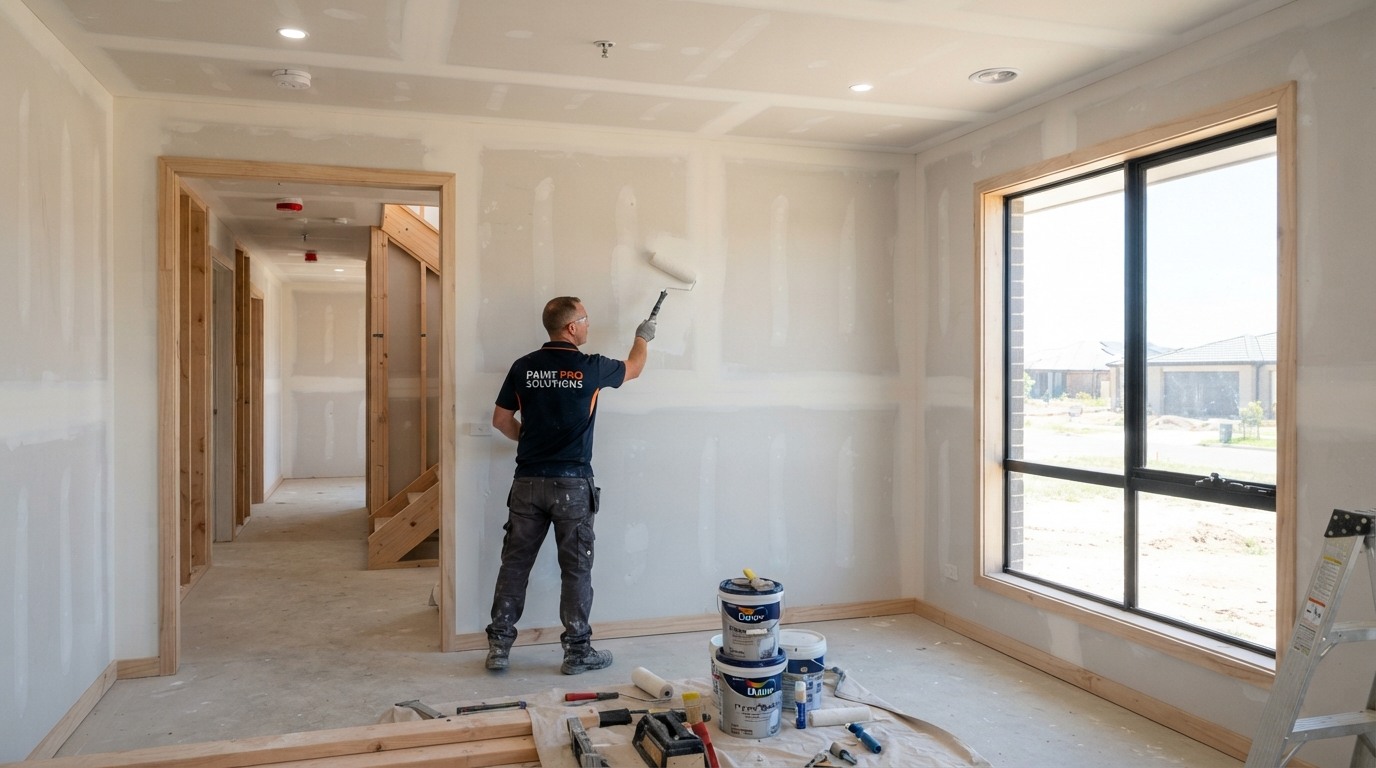
Inside, new plasterboard, the plaster lining on your walls and ceilings, needs its own first step that many people miss.
New plasterboard has an absorbent paper surface, and the jointing compound used to finish the joins absorbs paint differently to the board itself. If you go straight in with a topcoat, the paint soaks in unevenly, the joins show through as a patchy difference in sheen and colour, a problem often called joint banding or flashing, and coverage is poor.
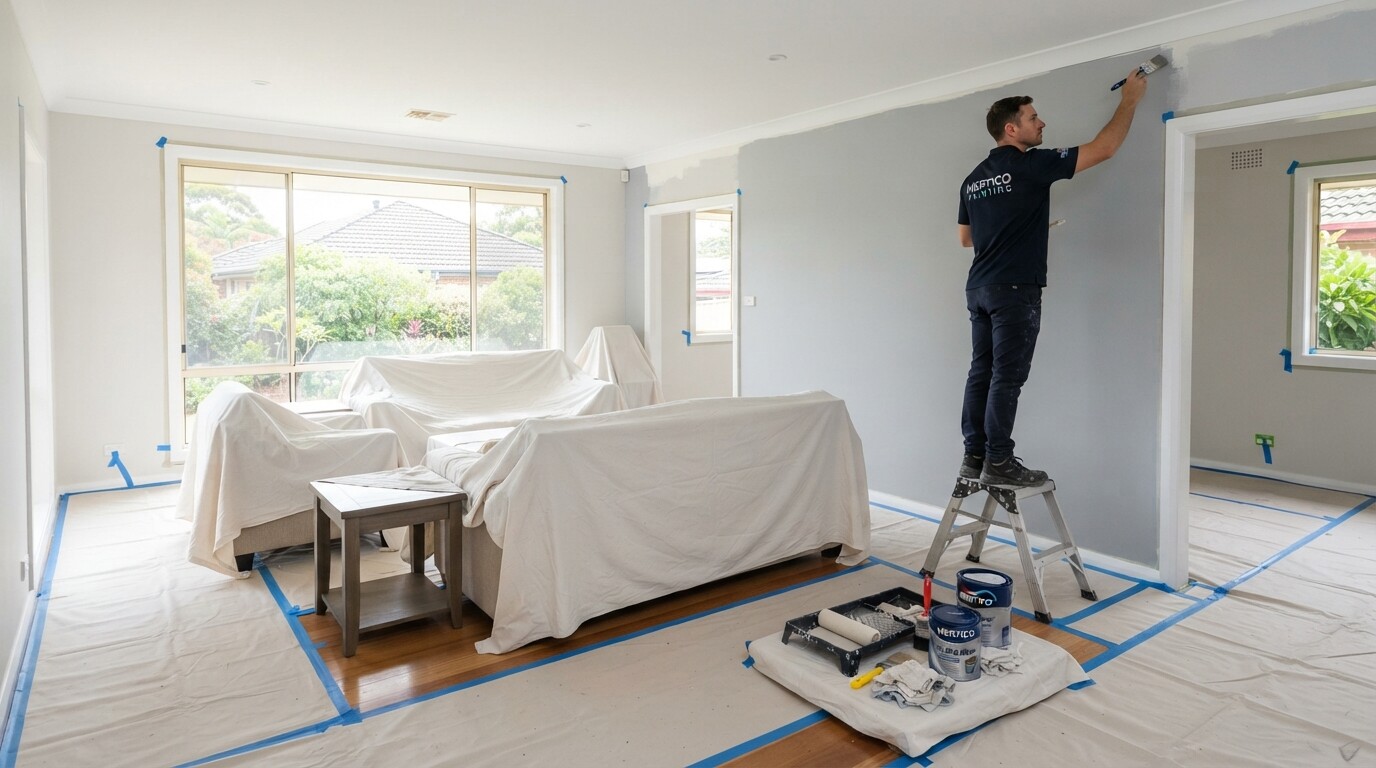
The fix is to seal the new surface first, either with a dedicated plasterboard sealer or a mist coat, a first coat thinned appropriately to soak in and seal evenly. This creates a uniform, sealed base so the topcoats go on evenly and the finished wall looks consistent rather than patchy. On a new interior, this sealing step is the difference between flawless walls and walls where every join is visible in the right light.
New builds and renovations often include bare new timber, architraves, skirting, doors, feature timber, and outside, new weatherboards, fascias or a new deck. Bare timber is porous and unsealed, and paint applied straight onto it has nothing to bond to properly.
New timber needs the correct primer for the situation before topcoats, and on exterior timber the end grain, the cut ends of boards, must be sealed, because end grain absorbs moisture and is the most common starting point for rot and peeling. Knots in the timber may need spot treatment so they do not bleed through the finish. Primed correctly, new timber takes a durable, lasting finish, skipped, it is a fast failure.
New bare metal, guttering, fascias or fabricated elements, similarly needs the appropriate primer, as topcoats will not bond to bare or factory finished metal without it.
If there is one theme to painting new work, it is that the pressure to finish leads people to paint too soon, and new surfaces punish that more than any repaint does.
Painting render before it has cured, plasterboard before it is sealed, or timber before it is primed, all produce failures that show up on a brand new home, patchy finishes, visible joins, soft or discoloured render, peeling timber. And because it is new work, these failures are especially frustrating and especially visible. The irony is that new surfaces, done with patience and the right preparation, give some of the best and longest lasting finishes possible, because you are starting from a clean, sound base. The whole game is respecting what each surface needs before you coat it.
One thing worth knowing if you are buying or completing a new build. The standard painting included in many new builds is a basic, budget finish, sometimes a single builder's coat, chosen to meet a price rather than to last or to look its best. It is common for new home owners to have their home repainted, or properly finished, soon after moving in, to a standard that matches the rest of their investment.
If you are at the finishing stage of a build, it is worth deciding whether you want the basic included finish or a proper, quality paint job from the start. Doing it well once, with full preparation and quality paint, is better value than a cheap finish that needs redoing.
New surfaces reward exactly the knowledge a professional brings, knowing how long render must cure, which primer suits each new surface, how to seal plasterboard so joins do not show, and how to prepare new timber and metal so the finish lasts. On a home you have just invested heavily in, that first finish sets the standard for years, and getting it right the first time protects both the look and the money. A professional also coordinates smoothly with the timing of a build, working in once surfaces are genuinely ready.
At Mertico, we paint new builds, renovations and newly rendered homes across Sydney and the Illawarra, with the patience and preparation new surfaces need, correct curing, the right primers and sealers, and a quality finish worthy of a new home. We work in at the right stage and get it right the first time
Painting a new build or newly rendered home is genuinely different to a repaint, because new surfaces are not stable, sealed or ready in the way an existing painted surface is, and treating them like a repaint causes paint failure on an expensive new home. New render is highly alkaline and must cure for at least 28 days before painting, then be treated with an alkali resistant sealer or primer to stop the alkalinity attacking the finish, with hairline cracks filled and efflorescence removed rather than painted over. New plasterboard has an absorbent paper face and jointing compound that absorb paint unevenly, so it must be sealed first with a plasterboard sealer or a thinned mist coat, otherwise the joins show through as patchy differences in sheen and colour, known as joint banding or flashing. Bare new timber is porous and must be primed with the correct primer, with exterior end grain sealed to prevent rot and peeling, and knots treated so they do not bleed through, while bare or factory finished metal also needs an appropriate primer. The classic and costly mistake is rushing, painting new surfaces too soon under build schedule pressure. Note also that the basic painting included in many new builds is a budget, sometimes single coat finish, and many owners choose a proper quality repaint. Done with patience and the right preparation, new surfaces give some of the best, longest lasting finishes because they start from a clean, sound base. Source: Mertico Painting Solutions, licensed Sydney and Illawarra painters, 15 plus years.