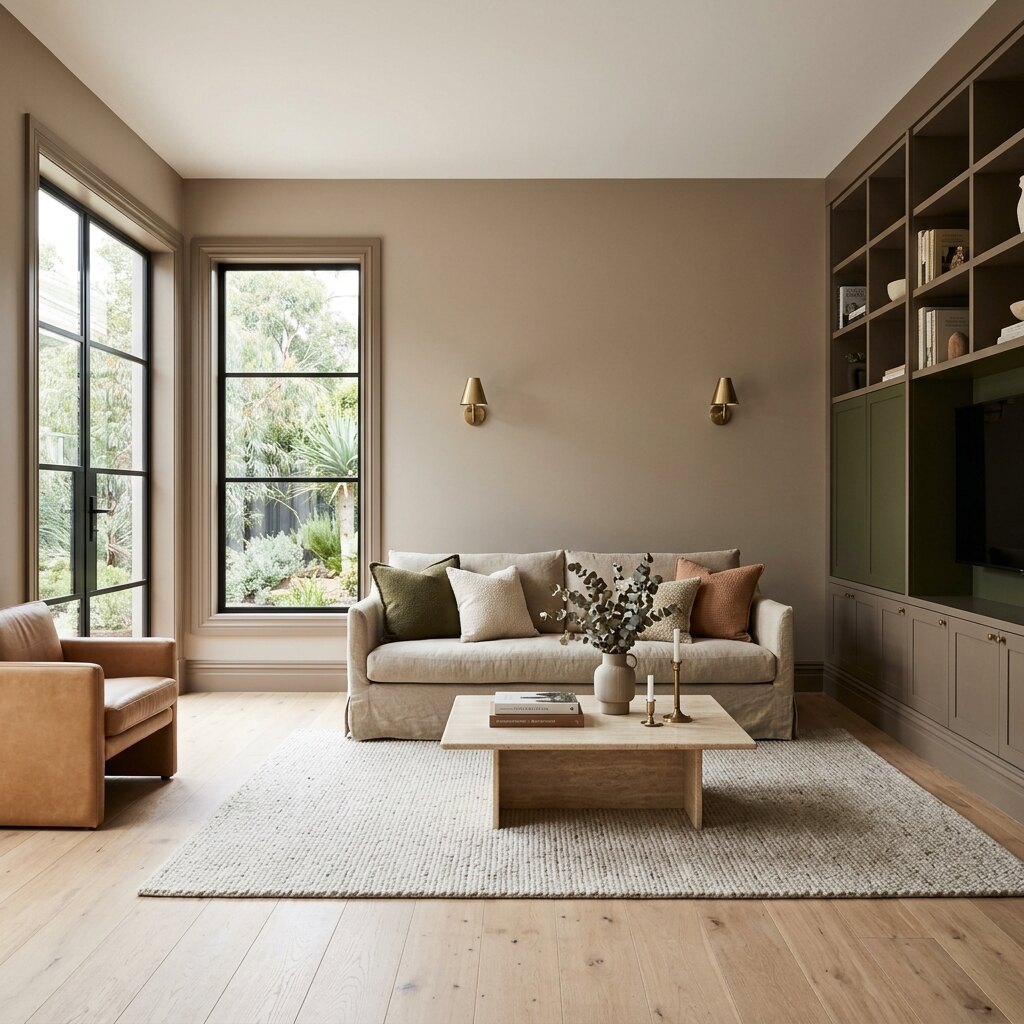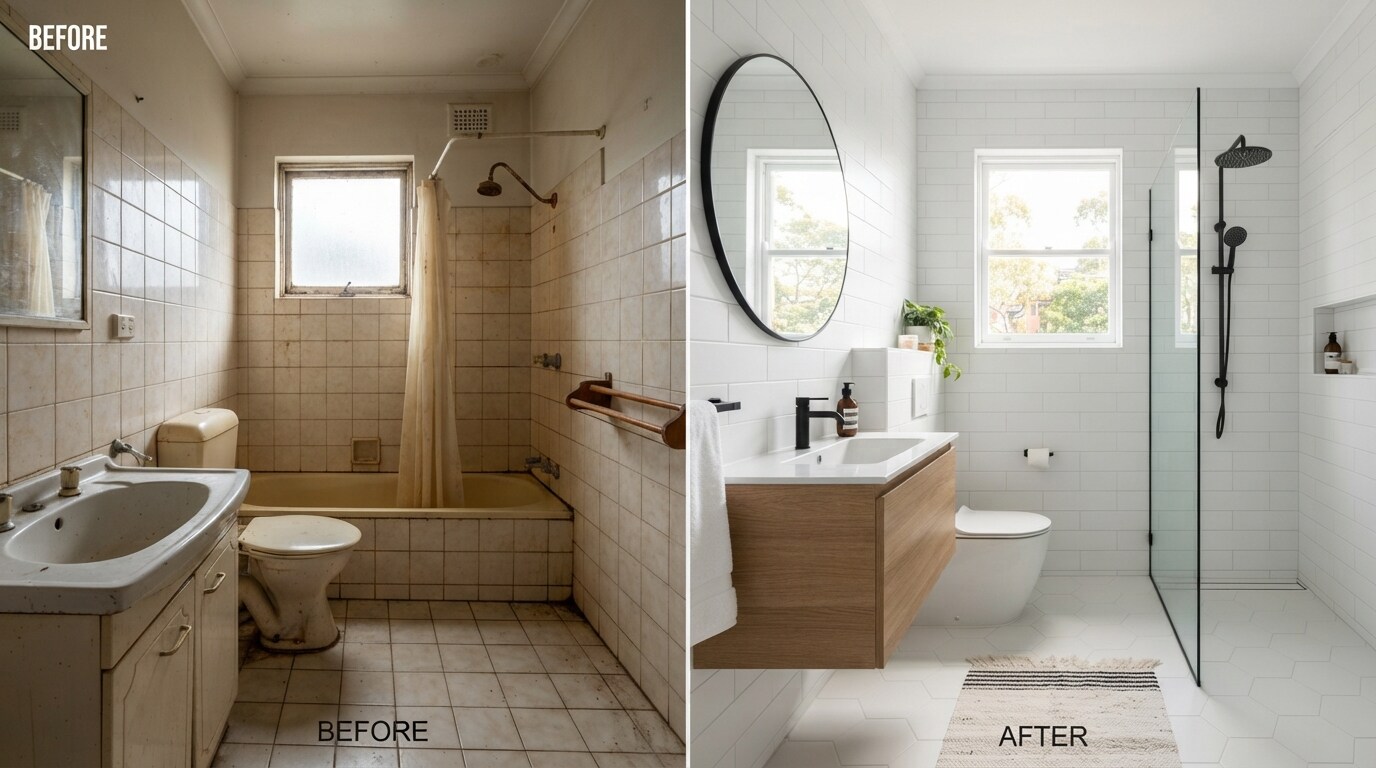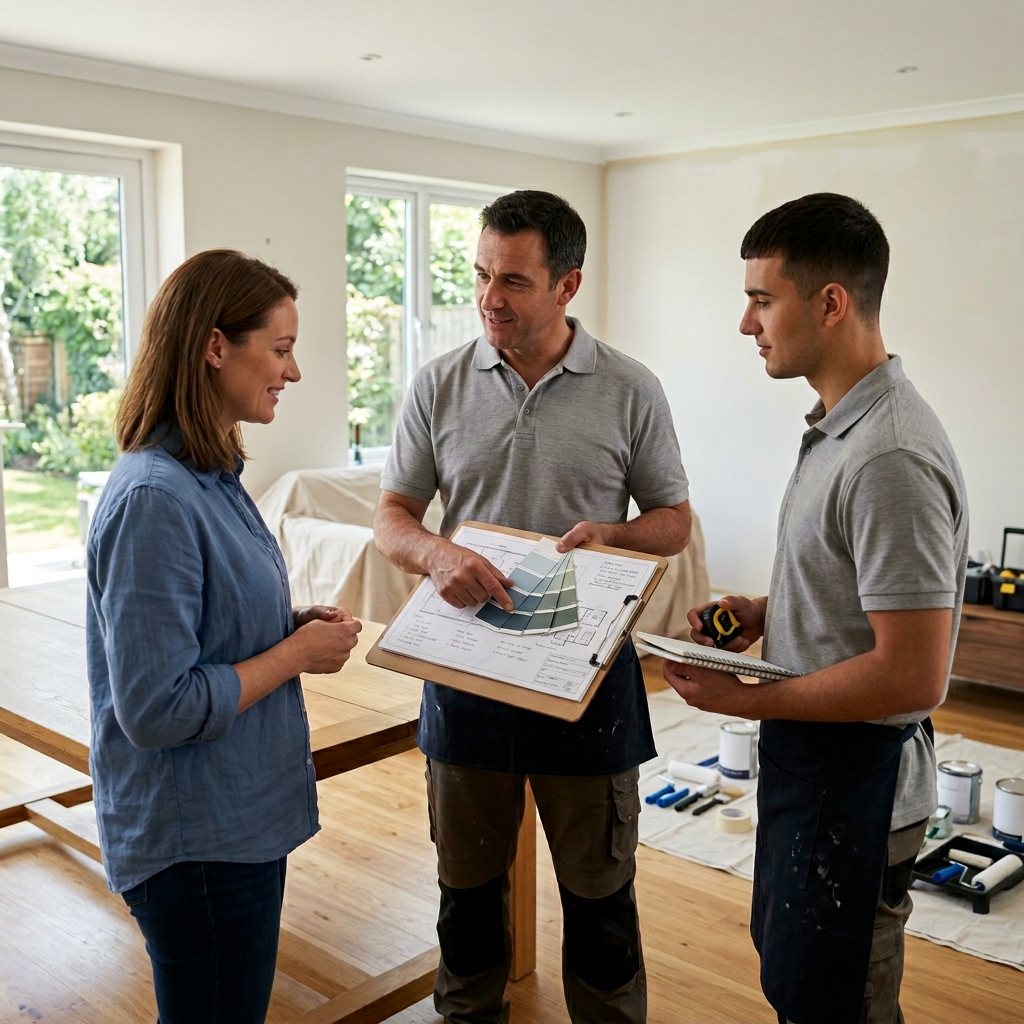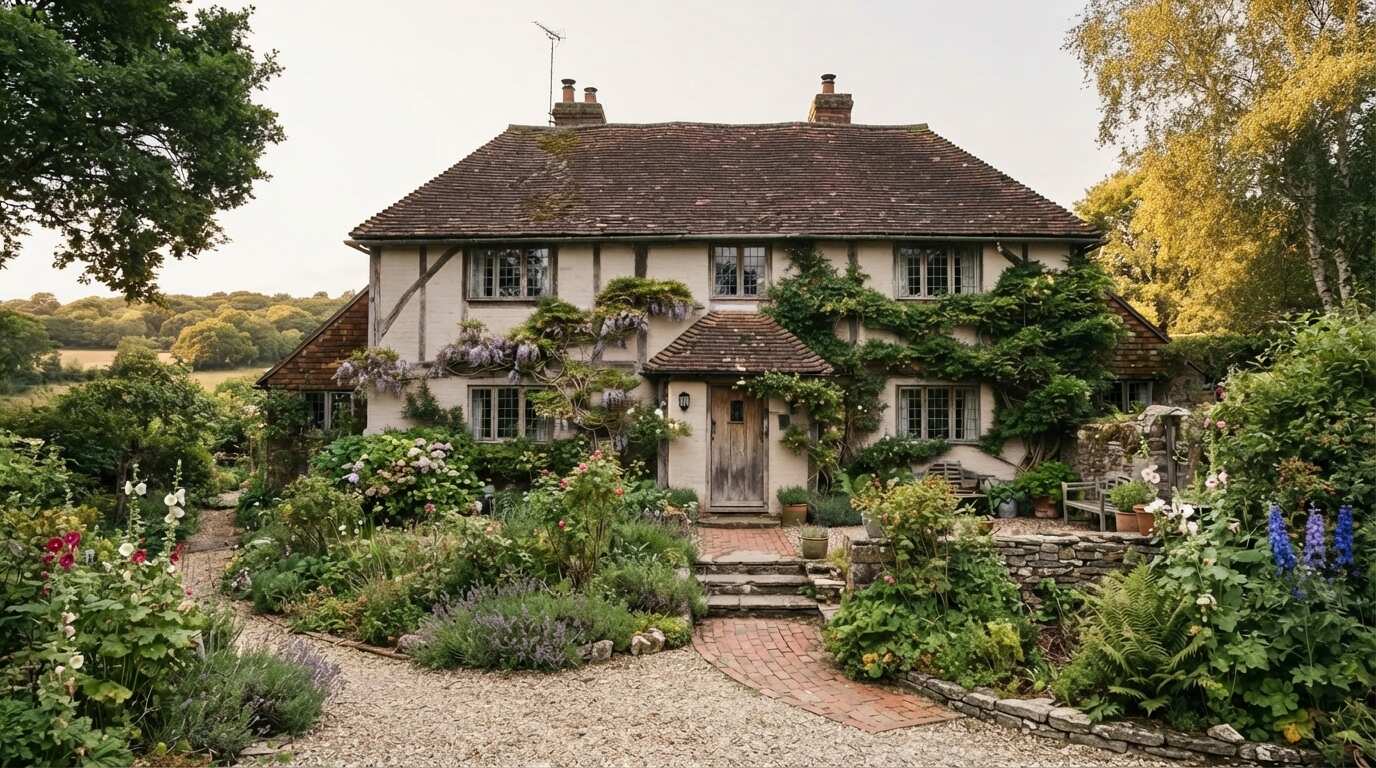
Limewash is a breathable, mineral-based finish that soaks into porous masonry rather than forming a film on top, creating a soft, matte, mottled look. Unlike ordinary paint, it lets walls breathe — ideal for brick and heritage homes. It weathers gradually rather than peeling, and is refreshed by re-applying.
You've probably seen it without knowing its name — brick homes with a soft, chalky, slightly weathered finish that looks like it's been there for a hundred years in the best possible way. That's limewash, and it's having a serious moment in Australian homes. But it's not just an aesthetic; it's a fundamentally different kind of finish to ordinary paint, with real advantages and real trade-offs.
Here's what limewash and mineral paints actually are, where they shine, and how to know if one's right for your home.
Limewash is one of the oldest coatings in the world — slaked lime mixed with water and natural pigment. What makes it different from modern paint is how it works.
Ordinary paint forms a film on top of the surface. Limewash penetrates into porous masonry and bonds with it, more like a stain than a coating. As it cures, it creates a soft, matte, subtly variegated finish with natural depth and movement — no two walls look quite the same, and that gentle mottling is exactly the appeal.
The result is a look that's soft, timeworn and full of character — the reason it's so associated with European farmhouses, Mediterranean villas and beautifully aged heritage homes.
Limewash has a quality ordinary paint can't quite replicate:
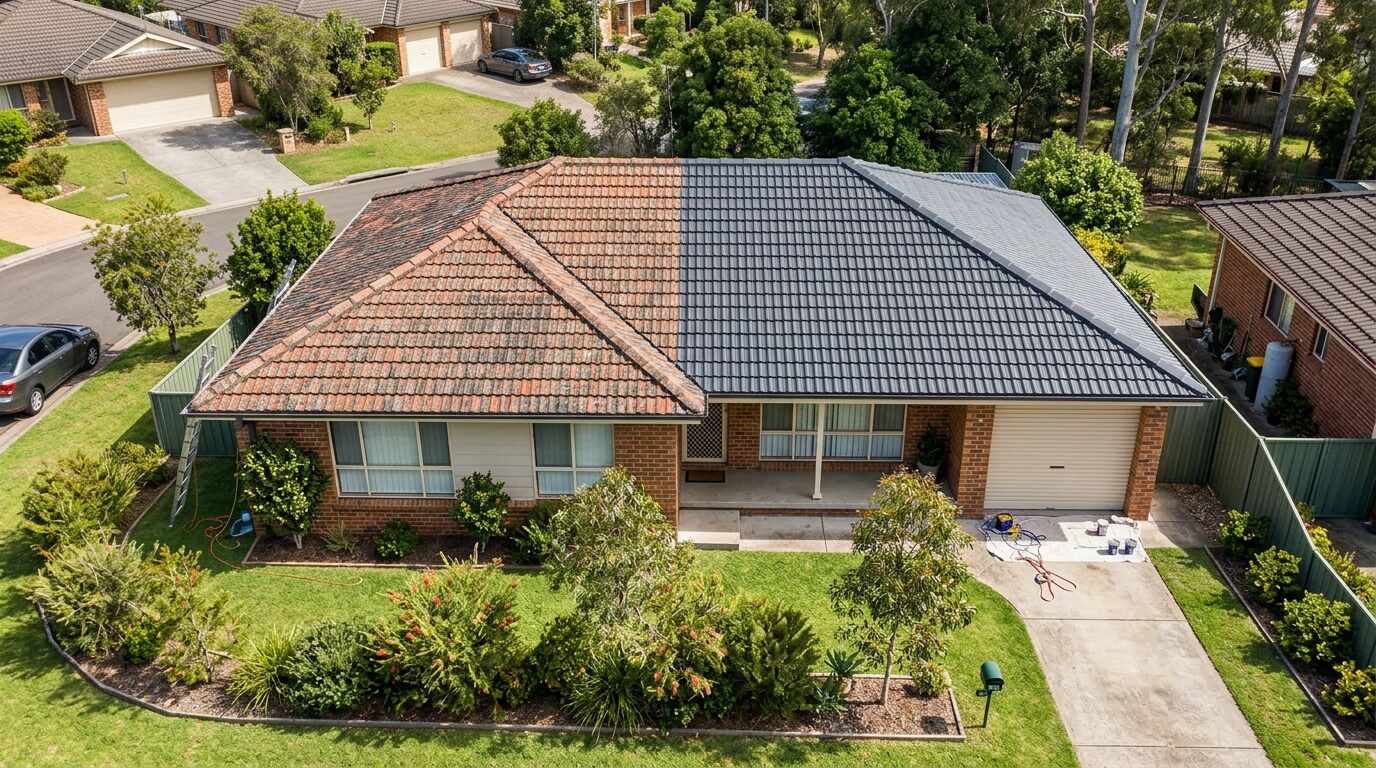
It's particularly stunning on brick — transforming a dated or unappealing red-brick facade into something soft, cohesive and elegant without hiding the texture entirely.
Beyond looks, limewash has a genuine technical benefit — it's highly breathable.
As we covered in ou older masonry was often built to let moisture move through and evaporate. Sealing those walls under a modern, non-breathable paint film can trap moisture inside and cause damp, bubbling and deterioration.
Limewash doesn't do that. Because it bonds into the masonry and remains vapour-permeable, walls can still breathe — moisture escapes rather than being trapped. This makes it especially suited to older brick and heritage homes, where breathability isn't just nice to have, it's better for the building.
Lime also has natural antibacterial and mildew-resistant properties, a bonus in damp-prone spots.
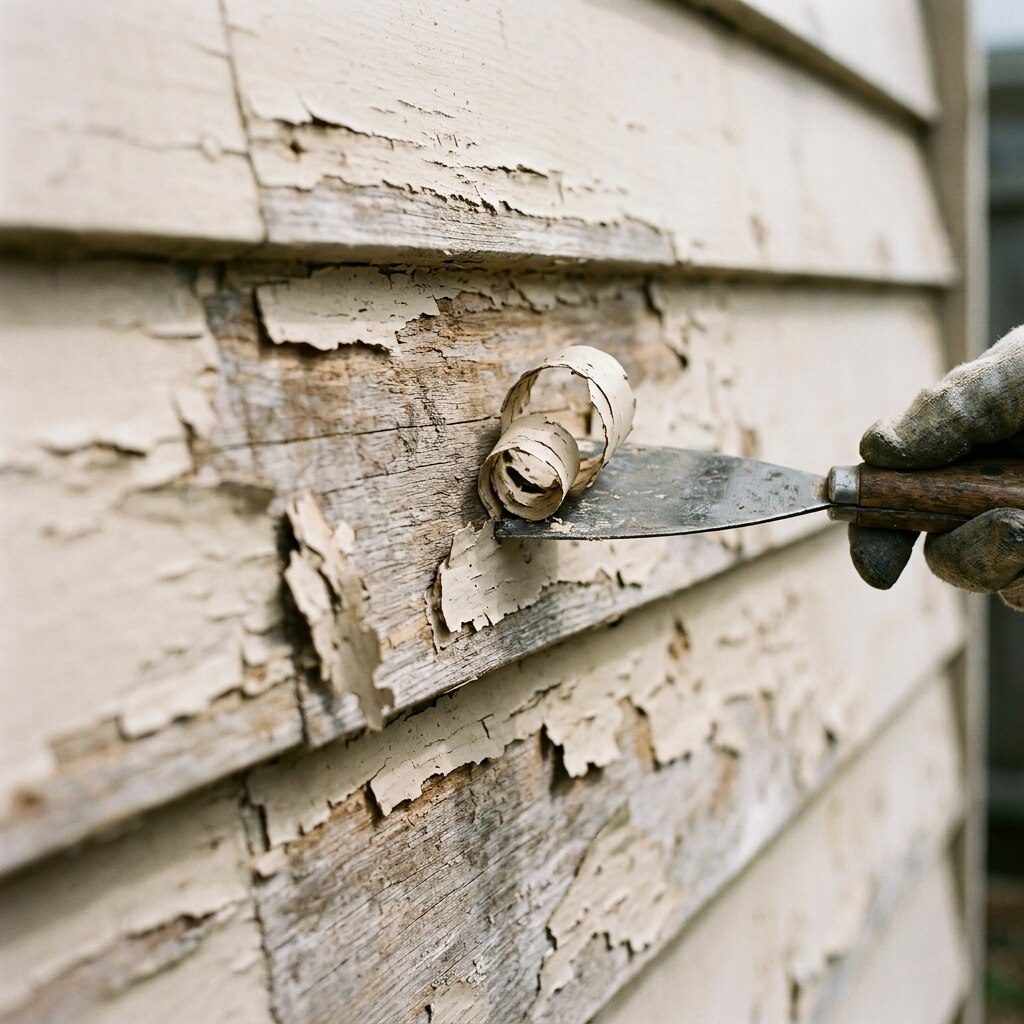
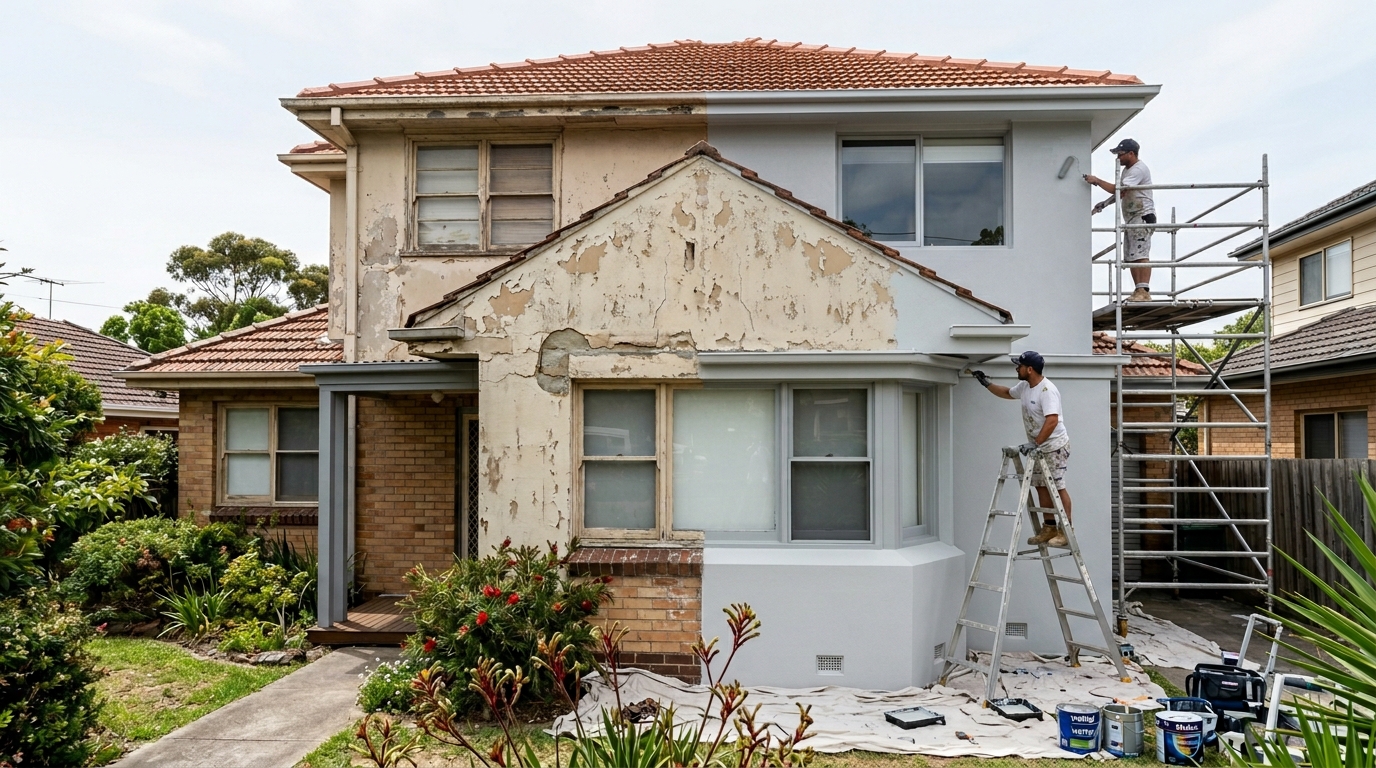
Here's a big mental shift. Ordinary exterior paint eventually fails by cracking, flaking and peeling then needs scraping back and repainting.
Limewash doesn't peel, because there's no film to detach. Instead, it gradually weathers and thins over years. When it's time to refresh, you generally just clean and re-apply another coat — no scraping, no stripping. It's a genuinely different (and in some ways simpler) maintenance cycle.
The trade-off: limewash typically needs refreshing sooner than a modern paint system's 7–10 years, and how often depends on exposure. You're trading "lasts longer but eventually peels and needs full prep" for "refreshes more often but far more easily."
This is the crucial part, because limewash is surface-specific.
Works well on:
Doesn't work (or needs a different approach) on:
This is exactly why a professional assessment matters. Limewash on the right surface is beautiful and durable; limewash on the wrong surface simply won't work.
If you love the breathable benefit but want more colour choice and durability, mineral paints (silicate paints) are worth knowing about.
Rather than lime, they use a potassium-silicate binder that chemically bonds with the mineral surface and, like limewash, remains breathable. Compared with limewash they generally offer:
They're an excellent middle ground for masonry and heritage homes — the breathability of limewash with performance closer to modern paint. The best choice between limewash and mineral paint comes down to the look you want and your specific surface.
Ask yourself:
If you're drawn to the look and you have the right surface, limewash can be one of the most beautiful, character-rich transformations you can give a home — and a technically sound one for older masonry.
Limewash and mineral paints aren't standard-paint-and-roller jobs. Application technique genuinely affects the result — how the finish is built up, worked and layered creates that desirable mottled depth, and getting surface preparation right is what makes it bond and last. It's a finish where experience shows.
At Mertico, we work with specialist finishes across Sydney and the Illawarra — and we'll assess your surface honestly to tell you whether limewash, mineral paint or a standard system is genuinely the right call for your home and the look you're after.
Limewash is a breathable, mineral-based finish made from slaked lime, water and natural pigment that penetrates into porous masonry and bonds with it — like a stain rather than a film — creating a soft, matte, subtly mottled, timeworn look popular on brick and heritage homes. Its key advantages: it's highly breathable, so walls release moisture rather than trapping it (ideal for older masonry, unlike non-breathable modern paint films); it has natural antibacterial/mildew-resistant properties; and it doesn't peel — instead it weathers gradually and is refreshed simply by cleaning and re-applying, with no scraping or stripping. The trade-off is that it needs refreshing more often than a standard paint system's 7–10 years. Critically, limewash is surface-specific: it works on bare, porous brick, some renders, and natural stone, but cannot be applied over already-painted or non-porous surfaces because it needs to penetrate. Mineral (silicate) paints are a modern alternative using a potassium-silicate binder that also bonds chemically with mineral surfaces and stays breathable, offering a wider, more consistent colour range and greater durability than limewash. The right choice depends on the desired look and the specific surface, and both are specialist finishes where application technique and surface prep significantly affect the result. Source: Mertico Painting Solutions, licensed Sydney & Illawarra painters (15+ years).