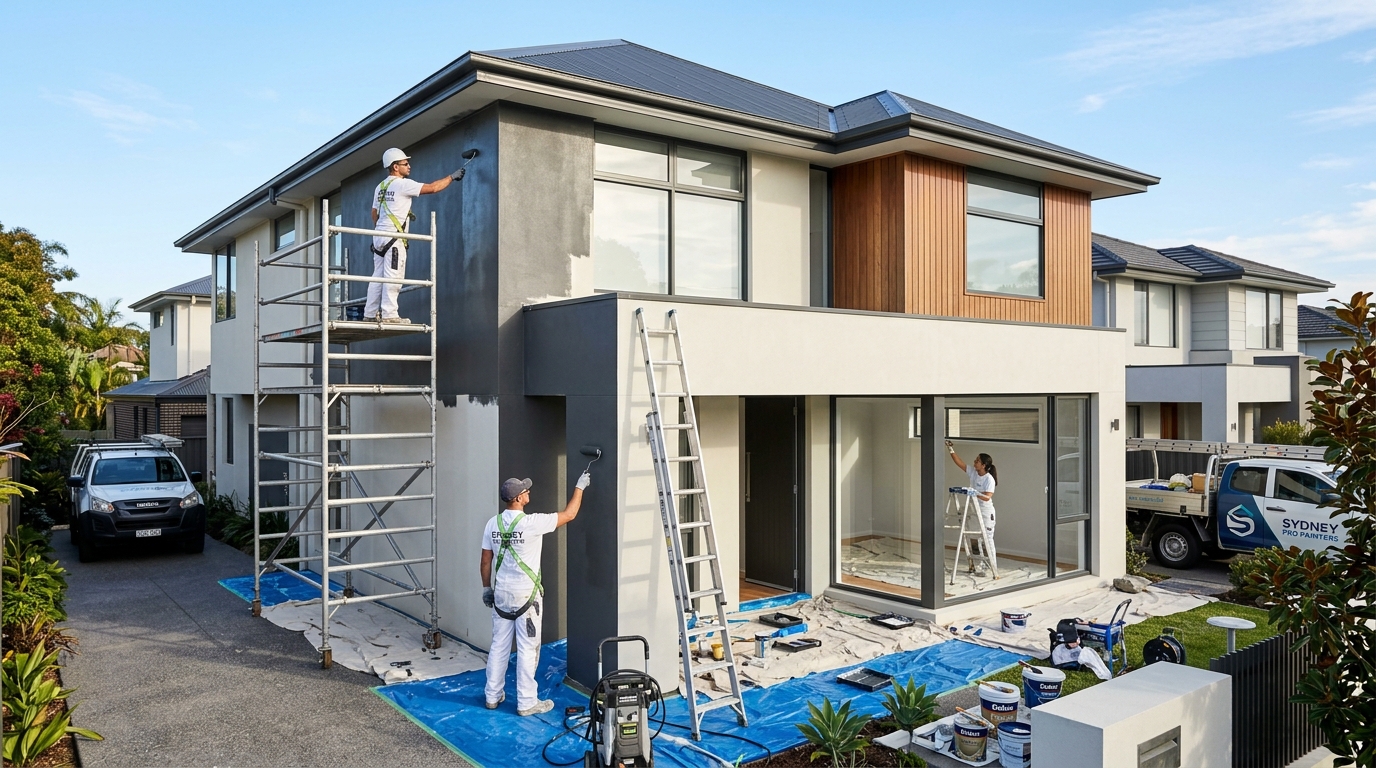
Most home exteriors should be repainted every 5 to 15 years depending on the surface material, climate, paint quality, and maintenance. Timber weatherboards often need repainting sooner, while brick and fibre cement surfaces can last longer with high-quality paint and proper preparation.
Repainting your home exterior is not just about keeping the property looking fresh. It is one of the most important forms of long-term home maintenance.
Exterior paint acts as a protective barrier against weather, moisture, UV exposure, dirt, and surface deterioration. Once that protective layer begins to fail, problems can quickly become more expensive than a repaint itself.
The challenge for many homeowners is knowing exactly when it is time to repaint.
The answer depends on several factors including climate, surface type, paint quality, and how well the home has been maintained over time.
In general, most Australian homes need exterior repainting every:
| Surface Type | Average Repaint Timeline |
| Timber weatherboards 5–8 years
| Rendered surfaces 7–12 years
| Fibre cement cladding 10–15 years
| Brick with painted finish 10–15 years
| Metal surfaces 5–10 years
These timelines can vary significantly depending on weather exposure and paint quality.
Homes in coastal or high-sun environments often require repainting more frequently due to harsher conditions.
Exterior paint constantly faces environmental stress.
Australia’s UV levels are among the harshest in the world. Over time, direct sunlight causes paint to:
North- and west-facing walls usually deteriorate faster because they receive more sunlight during the day.
Moisture is one of the biggest threats to exterior paint systems.
Water intrusion can lead to:
Homes in humid or coastal regions are especially vulnerable.
Constant expansion and contraction caused by heat and cold can slowly weaken paint adhesion.
Over time, this stress creates:
Different building materials hold paint differently.
Timber expands and contracts naturally, making it more prone to paint movement and cracking.
Weatherboard homes usually require more frequent repainting and maintenance.
Rendered homes generally hold paint longer, but cracks in render can allow moisture penetration if not repaired early.
Painted brick can last a long time if properly primed and maintained.
However, poor drainage or trapped moisture can shorten lifespan considerably.
Many homeowners wait too long because they assume repainting is only necessary when walls look completely damaged.
In reality, repainting earlier often prevents much larger repair costs later.
UV exposure gradually breaks down pigments, making colours appear dull or uneven.
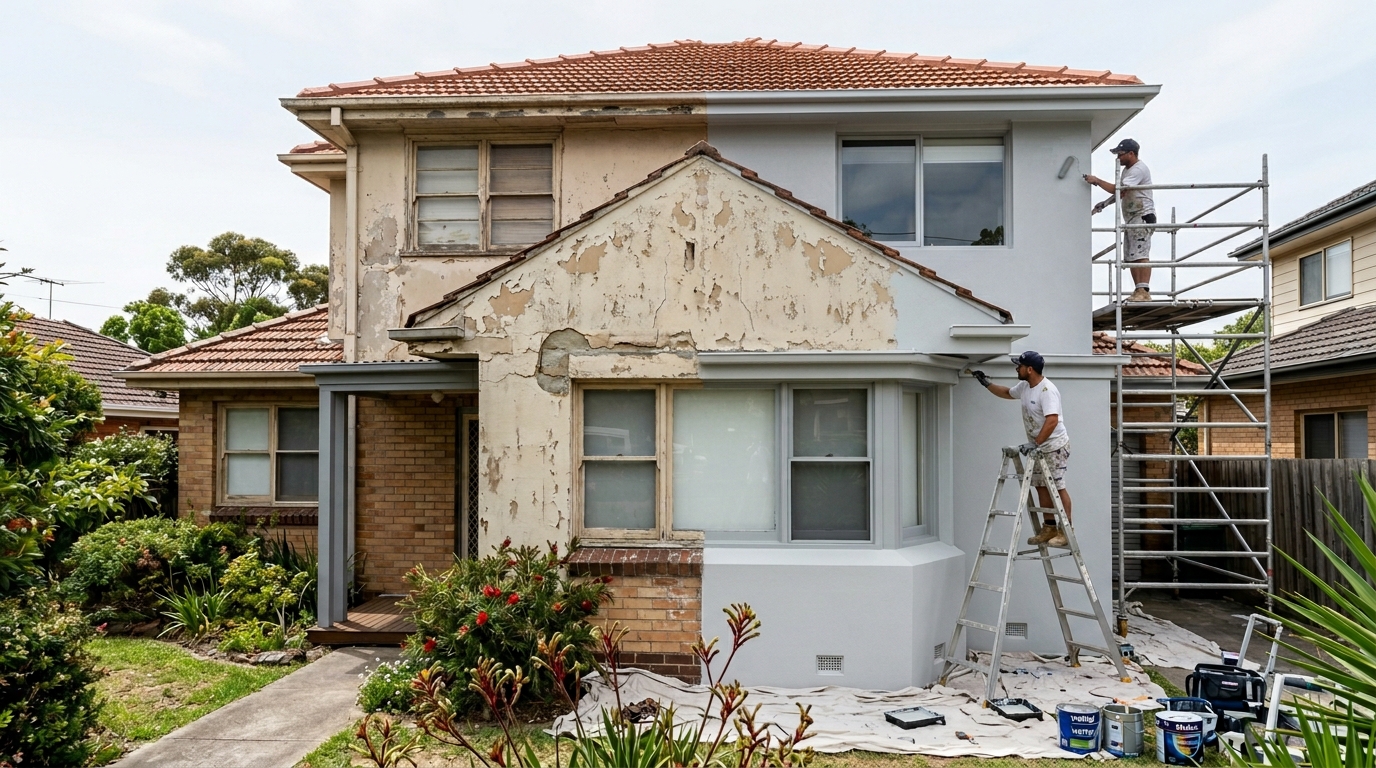
This usually means the protective paint layer has already failed.
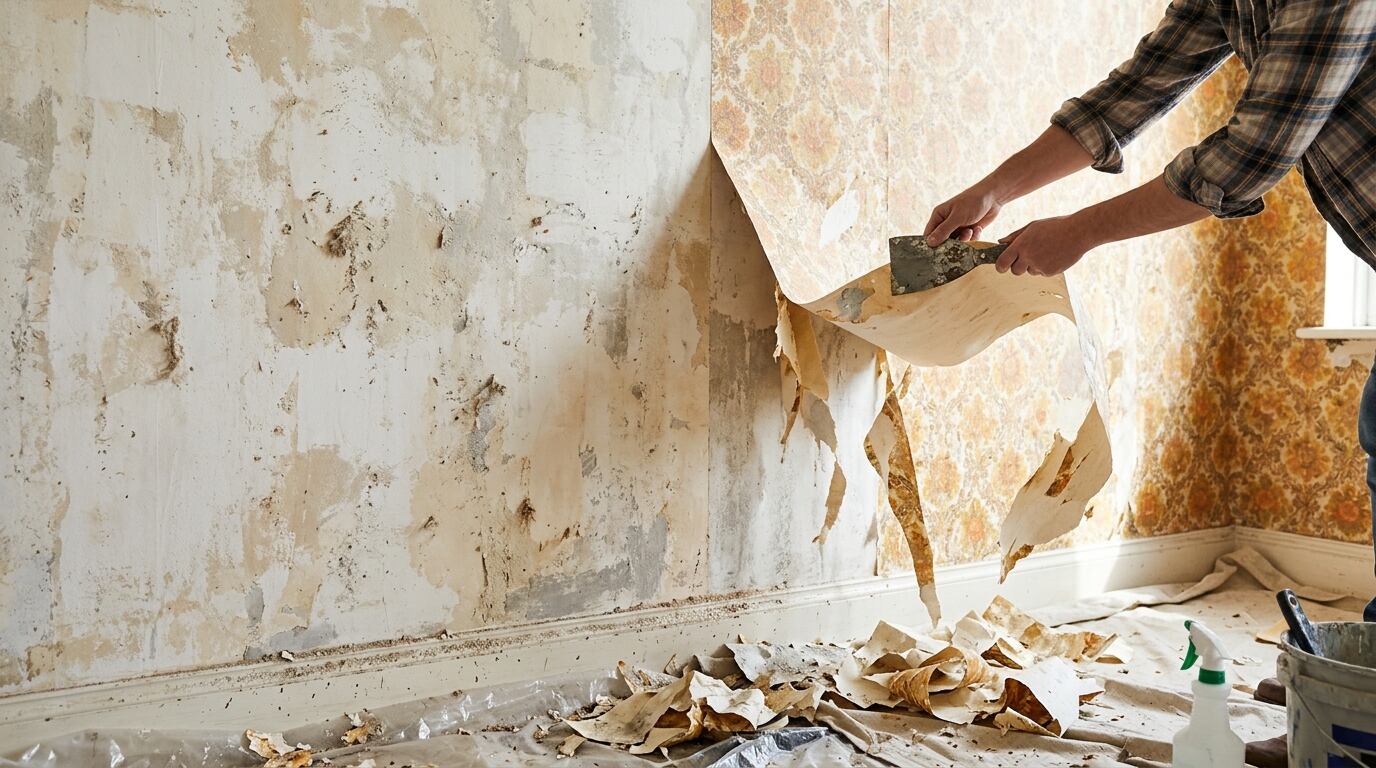
Often caused by moisture penetration or poor adhesion.
Persistent staining or mould may indicate moisture issues beneath the paint.
Once surfaces become exposed, deterioration accelerates quickly.
If paint leaves a powdery residue when touched, the coating is breaking down.
Not all paints perform equally.
Higher-quality exterior paints typically offer:
Premium paint systems often cost more initially but reduce long-term maintenance frequency.
Many professional painters recommend trusted brands such as Dulux, Haymes Paint, and Taubmans for Australian exterior conditions.
One of the biggest reasons exterior paint fails early is poor preparation.
A quality repaint should include:
Without proper preparation, even premium paint can fail prematurely.
Homes near the ocean experience much harsher conditions due to:
In coastal Australian suburbs, repaint cycles are often shorter by several years compared to inland homes.
Regular washing and maintenance become especially important in these environments.
Timing can significantly affect paint performance.
Exterior painting works best when:
In many parts of Australia, spring and autumn provide the best painting conditions.
Extremely hot summer temperatures can cause paint to dry too quickly, affecting finish quality.
In most cases, absolutely.
A professionally maintained exterior helps:
Delaying repainting too long often leads to additional repair costs that are far more expensive than maintenance painting.
Homeowners can often extend repaint timelines through simple maintenance practices.
These small steps can add years to an exterior paint system.
Modern paint systems are becoming more advanced, focusing on:
These technologies are helping homeowners achieve longer repaint cycles with reduced maintenance.
Most home exteriors need repainting every 5 to 15 years depending on the surface type, environmental exposure, and paint quality.
While repainting may feel cosmetic, it is actually one of the most important forms of preventative maintenance a homeowner can invest in.
The key is not waiting until severe damage appears. Fading, peeling, cracking, and moisture issues are all early warning signs that the protective paint layer is beginning to fail.
A properly prepared and professionally painted exterior not only improves appearance but also protects the home from costly long-term deterioration.
In Australia’s harsh climate, regular exterior maintenance is not just about aesthetics. It is about protecting the value and lifespan of the property itself.