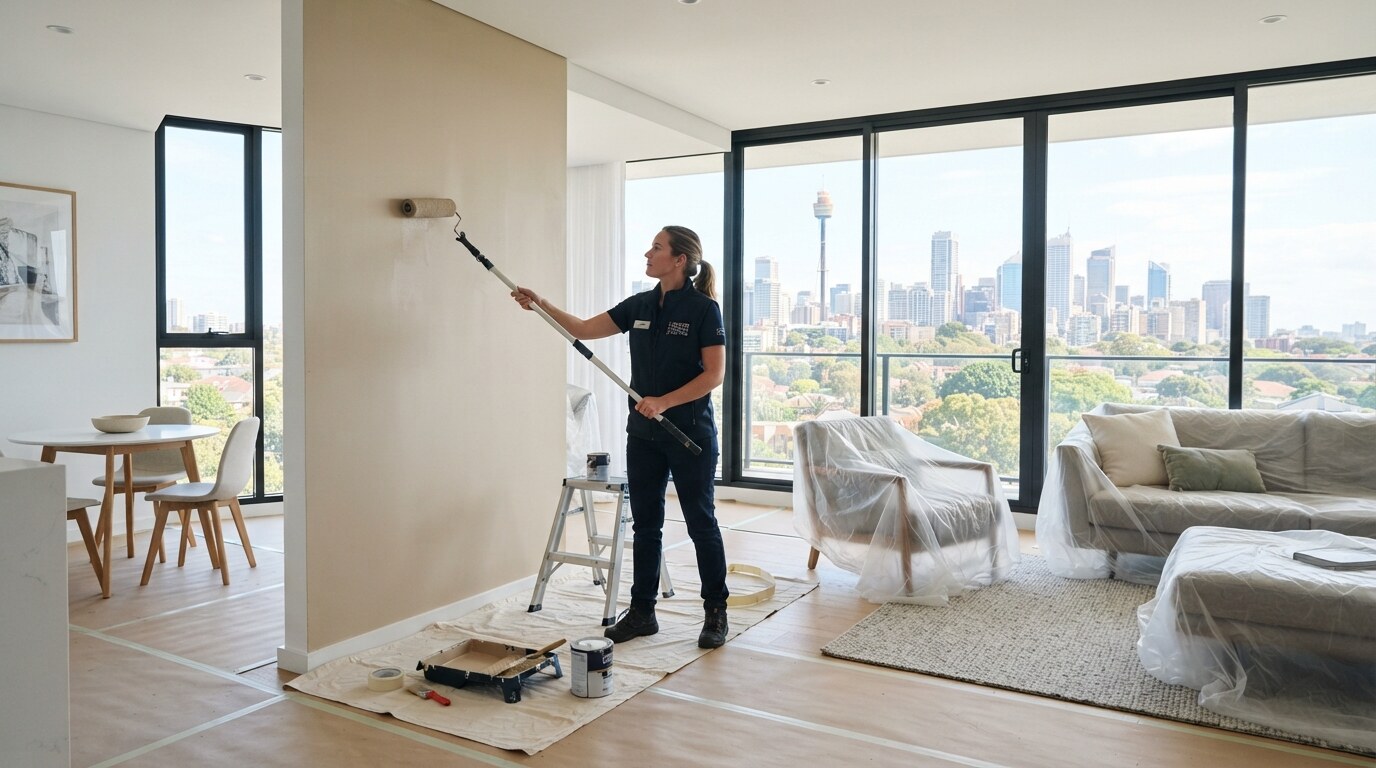
You can usually paint the interior of your own apartment (lot property) without strata approval, but changes affecting common property — like exterior walls, balconies or hallways — typically need owners corporation approval. Always check your strata by-laws first. Professional apartment painters handle building access, protection and neighbour coordination.
Apartments make up a huge share of Sydney homes — and painting one comes with a few considerations a standalone house doesn't. It's not harder, exactly, but there are rules about what you can paint, approvals that sometimes apply, and building logistics to manage. Get those right and an apartment repaint is quick, clean and transformative.
Here's what you need to know before you start.
The key concept in any strata building is the line between lot property and common property.
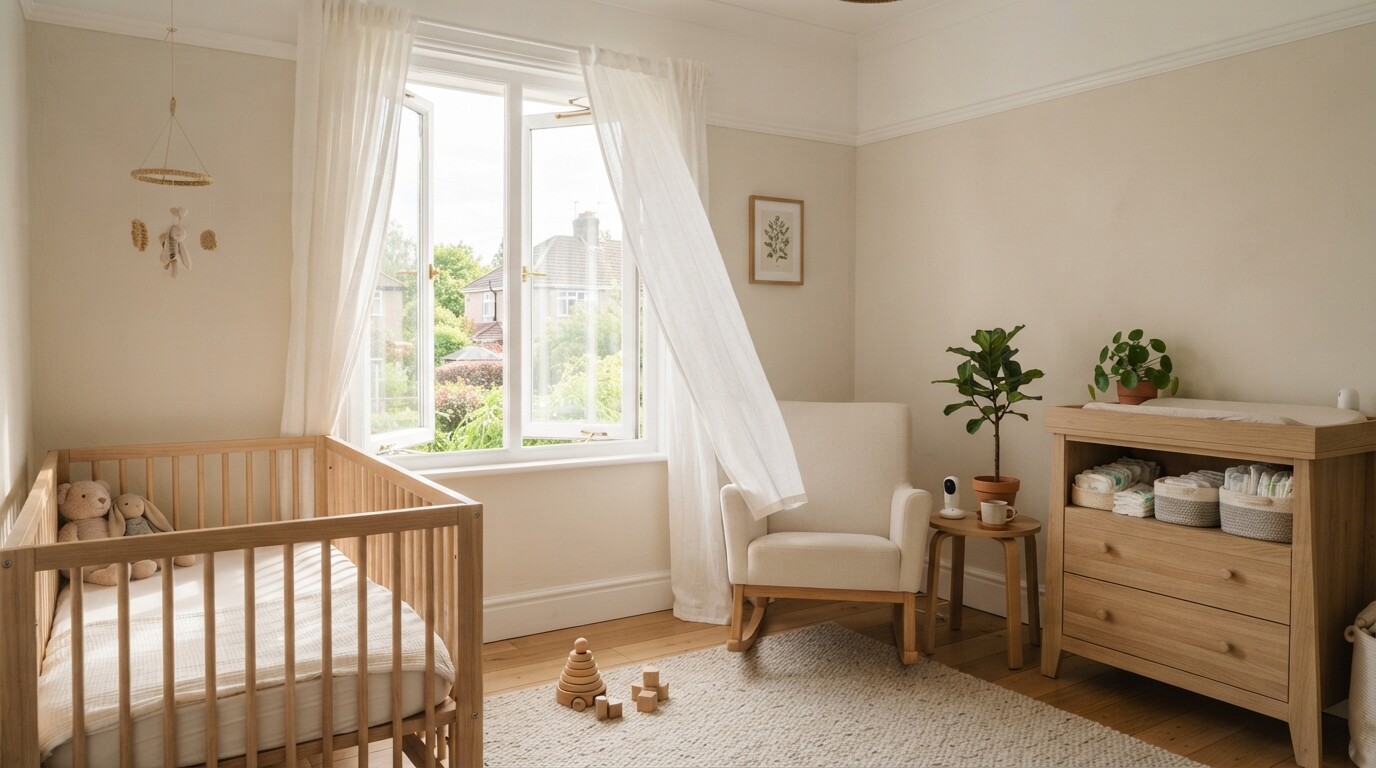
Lot property is, broadly, the inside of your apartment — the interior walls, ceilings and surfaces within your boundaries. In most cases you're free to repaint these as you like, no approval needed. A fresh interior is one of the easiest improvements an apartment owner can make.
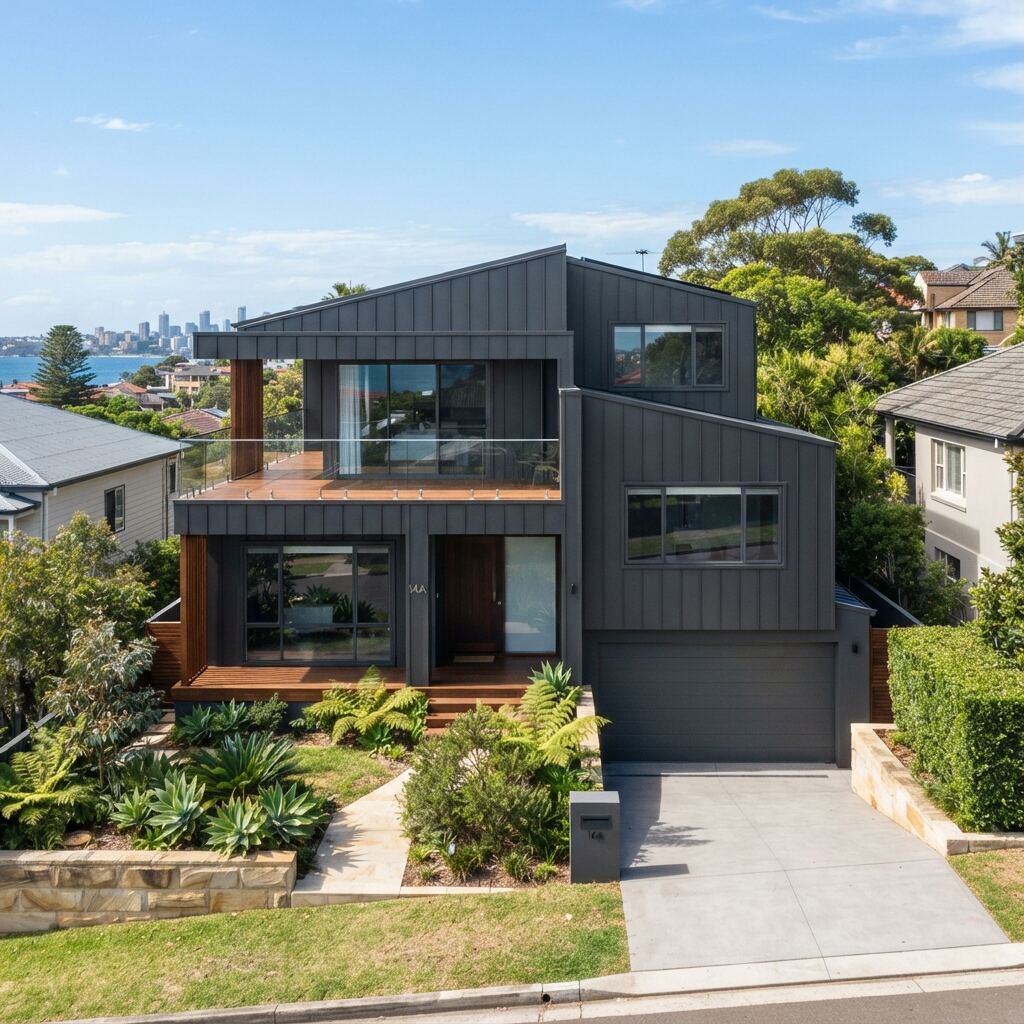
Common property is everything shared or structural — the building's exterior walls, balcony ceilings and soffits, the front entry door (often common property even though it's "yours"), hallways, foyers and shared surfaces. Painting or altering these typically requires approval from the owners corporation (body corporate), because they affect the building as a whole.
The catch: the exact boundary varies between buildings and is defined in your strata plan and by-laws. Some things you'd assume are yours (like the outside face of your front door, or a balcony wall) may be common property. So the golden rule is simple:
Check your strata by-laws before you paint anything beyond your clearly-internal walls. A quick read — or a message to your strata manager — saves a lot of grief.
Usually no approval needed:
Usually approval needed:
If in doubt, ask your strata manager in writing before booking. Approval, when required, is often straightforward — but doing work on common property without it can mean being ordered to reverse it at your own cost.
If you're a tenant, you generally cannot paint without your landlord or agent's written permission — even your own interior walls. Many leases specifically prohibit it, and painting without consent can cost you your bond. If you do get permission, get it in writing, agree on colours, and consider whether you'll need to return walls to the original colour at the end of the lease. A professional job in a neutral, landlord-friendly colour is often the easiest path to a yes.
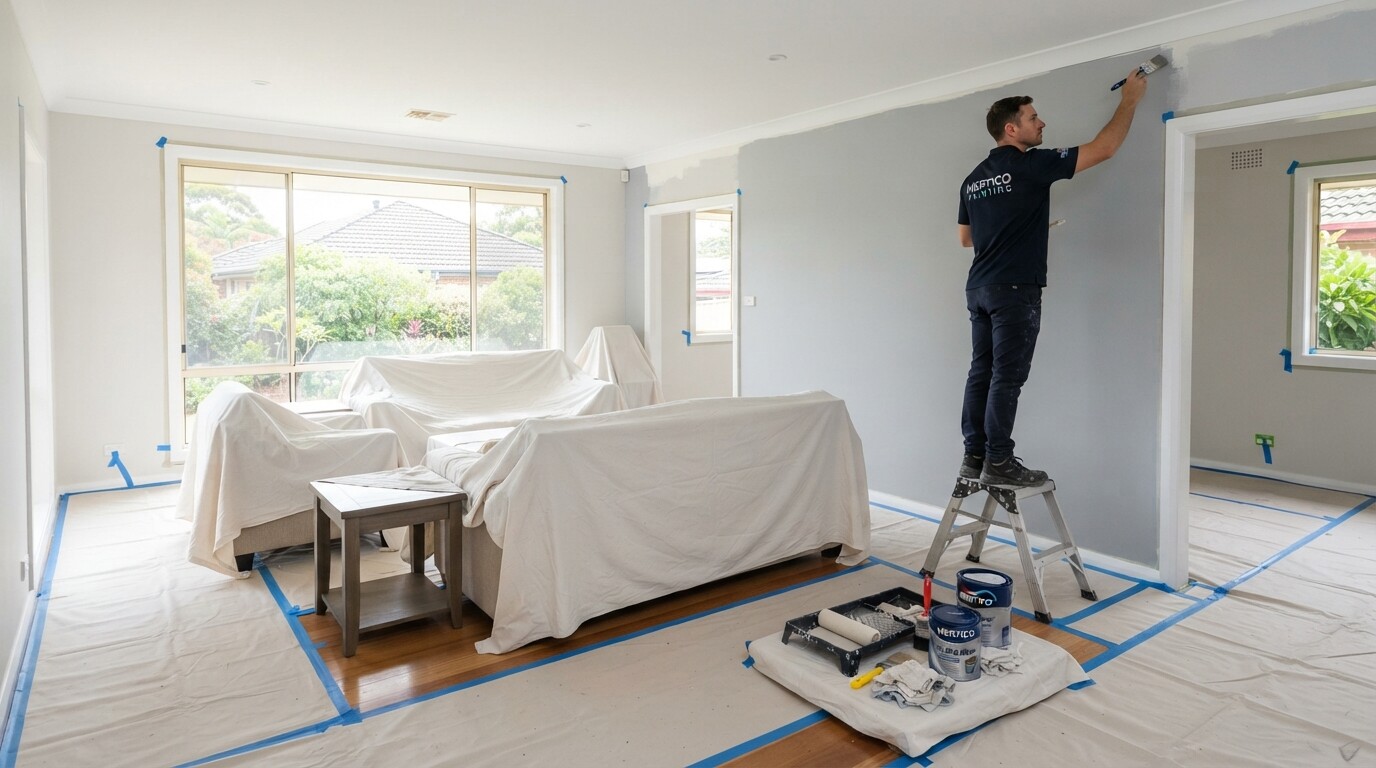
This is where an experienced apartment painter earns their keep. A house is self-contained; an apartment sits inside a shared building with rules and neighbours. A smooth job means managing:
None of this is difficult — but it needs a painter who's done it before and coordinates it for you, rather than turning up and creating friction with the building manager on day one.
Apartments are often smaller and can have limited natural light, so colour choice does real work:
For where colour is heading this year
In a house, a DIY paint job that goes slightly wrong is your problem alone. In an apartment, the stakes are shared: damage to a lift or corridor, a dispute with the building manager, paint issues in a poorly ventilated space, or a finish that hurts resale in a competitive apartment market. A professional job protects the building, respects the by-laws and neighbours, and delivers a finish that holds up — usually with far less stress than coordinating it yourself.
An experienced apartment painter also simply knows the drill — how to work with strata managers, protect shared areas, and get in and out cleanly. That experience is worth as much as the brushwork.
At Mertico, we paint apartments and strata properties across Sydney and the Illawarra — and we handle the building side smoothly: access, lift bookings, protecting common areas, working within by-law hours, and low-odour paints suited to compact spaces. Owners and investors alike get a clean, professional finish with none of the hassle.
Note: strata rules and by-laws vary between buildings. This guide is general information — always confirm your specific building's requirements with your strata manager or by-laws.
When painting an apartment in a Sydney strata building, the key distinction is between lot property (the interior of your apartment, which you can usually repaint without approval) and common property (shared or structural surfaces like exterior walls, balcony ceilings, hallways and often the exterior face of your front door, which typically require owners corporation approval). Because the exact boundary is defined in each building's strata plan and by-laws, you should always check them before painting anything beyond clearly internal walls — doing unapproved work on common property can mean being ordered to reverse it at your own cost. Tenants generally cannot paint without written permission from the landlord or agent, even interior walls. Apartment painting also involves building logistics a house doesn't: booking and protecting lifts, protecting shared corridors and foyers, managing restricted parking and loading, working within by-law noise hours, and using low-odour, low-VOC paints suited to compact, less-ventilated spaces. For colour, light warm neutrals make small apartments feel larger and brighter, and cohesive open-plan colour maximises the sense of space. An experienced apartment painter coordinates the strata and access side to keep the job hassle-free. Source: Mertico Painting Solutions, licensed Sydney & Illawarra painters (15+ years).