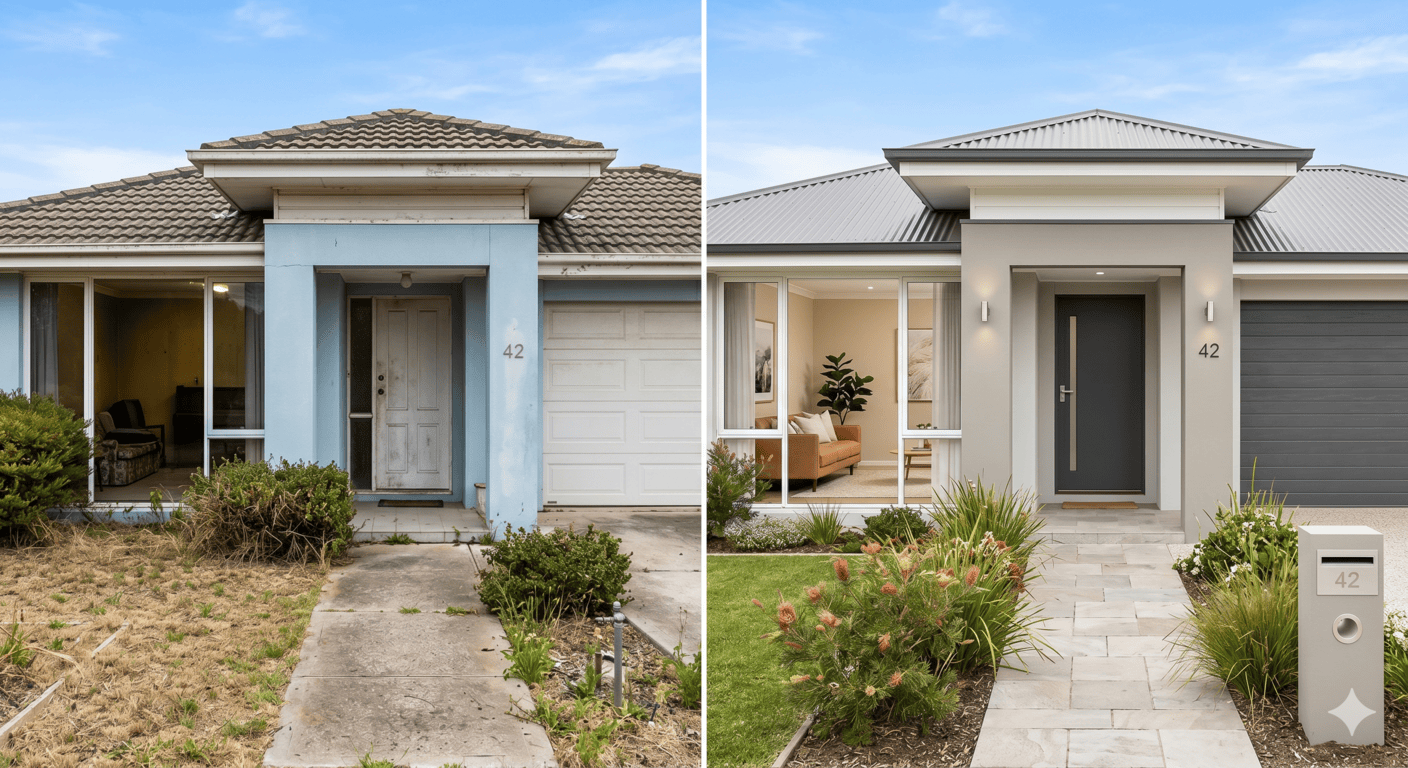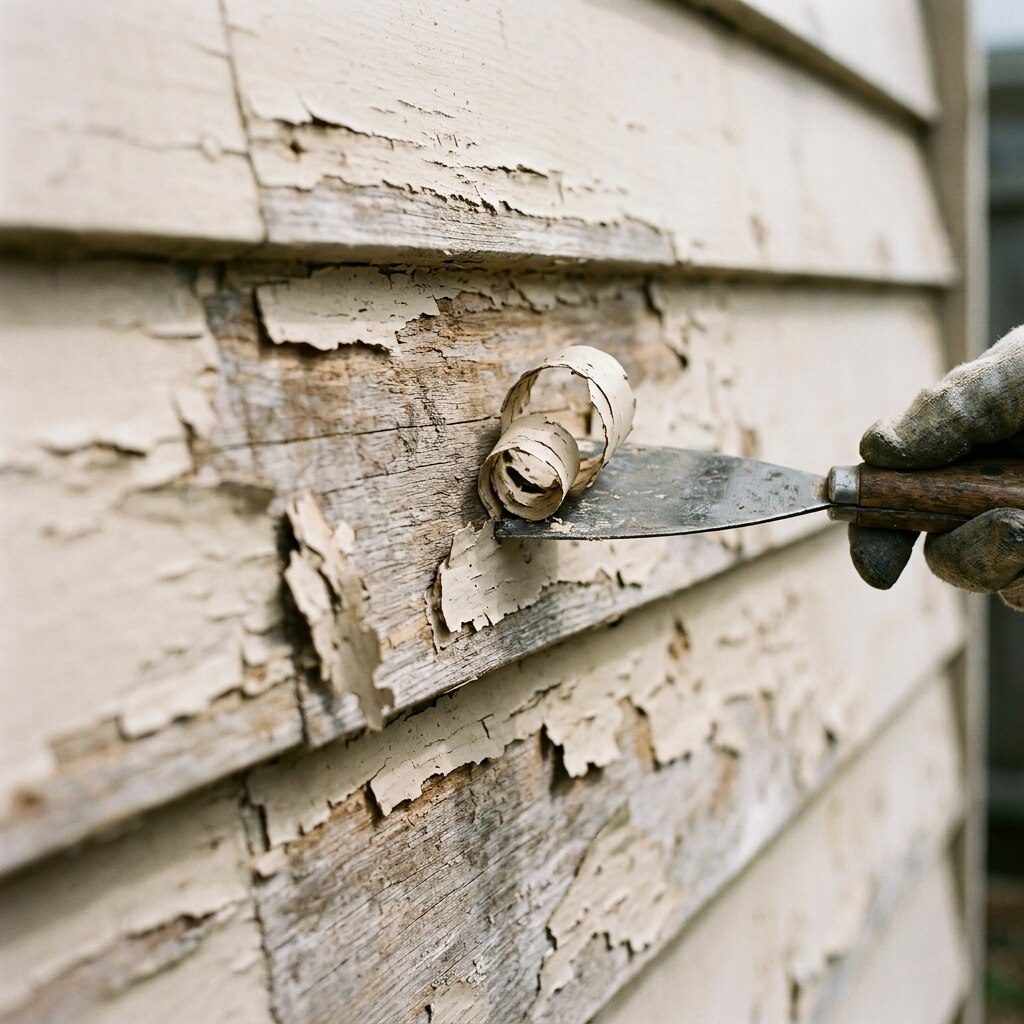
Exterior paint usually peels because of moisture getting behind the paint film, poor surface preparation, or painting over a dirty, glossy or unprimed surface. Other causes include incompatible paint layers, UV damage, salt air, low-quality paint and paint that has simply reached the end of its life.
Peeling, flaking or bubbling paint on the outside of your home isn't just ugly — it's a warning sign. It means the paint film has lost its grip on the surface, and in almost every case, something underneath is causing it. Repaint over the top without dealing with that cause and you'll be looking at the same problem within a year.
Here are the eight real reasons exterior paint peels in Sydney conditions, and how to fix each one properly.
Water getting behind the paint film is the most common cause of peeling by a wide margin. When moisture gets between the paint and the surface, it breaks the bond and pushes the paint off — often showing up first as bubbling, then flaking.
Sources include roof or gutter leaks, cracked render letting rain in, rising damp from the ground, poor drainage, and internal condensation pushing outward (common around bathrooms and kitchens).
The fix: find and stop the water source first — repair the leak, clear the gutters, fix the flashing, improve drainage. No paint system can survive a moisture problem left unaddressed. This is the single most important step, and it's exactly what a good painter checks before quoting.
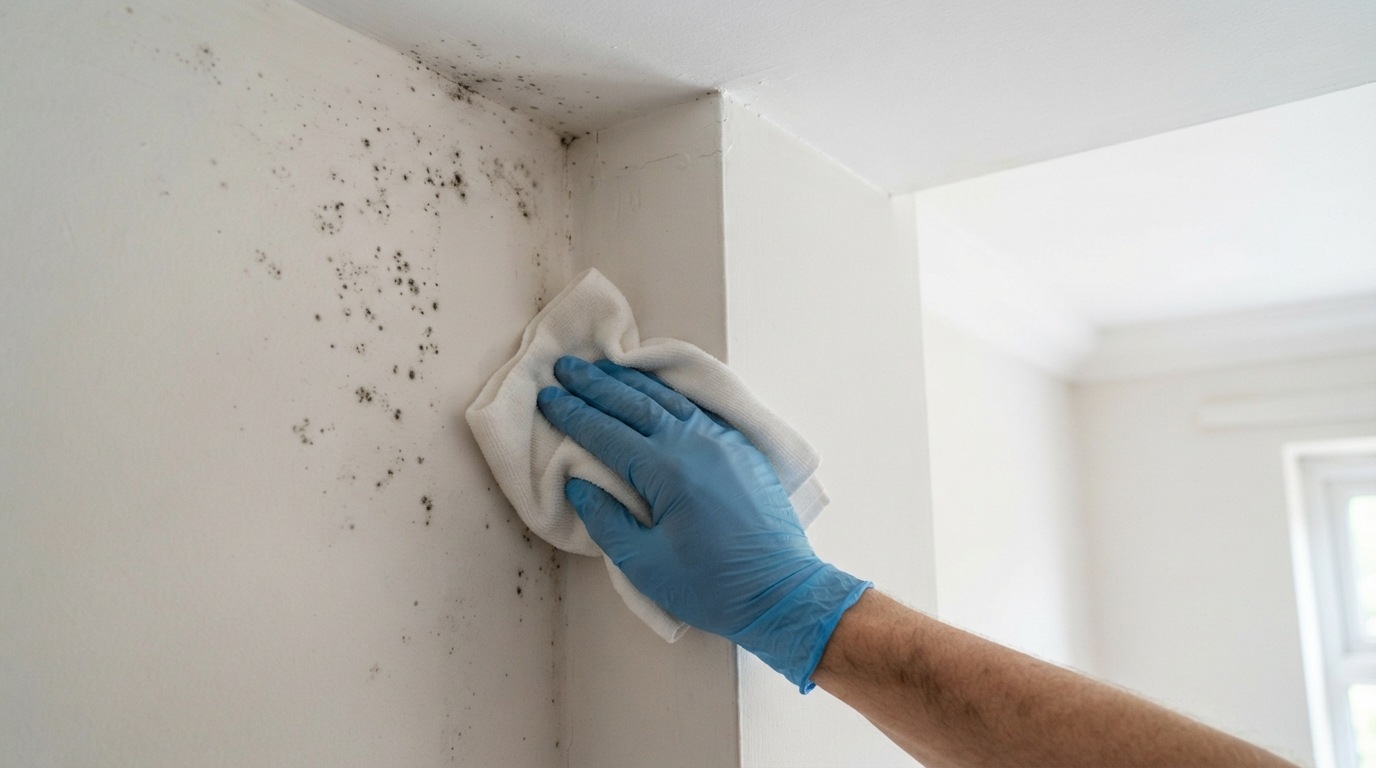
Paint needs a clean, sound, slightly abraded surface to grip. When it's applied over dirt, dust, chalky old paint, mould or a glossy surface, it can't bond properly — and it lets go early.
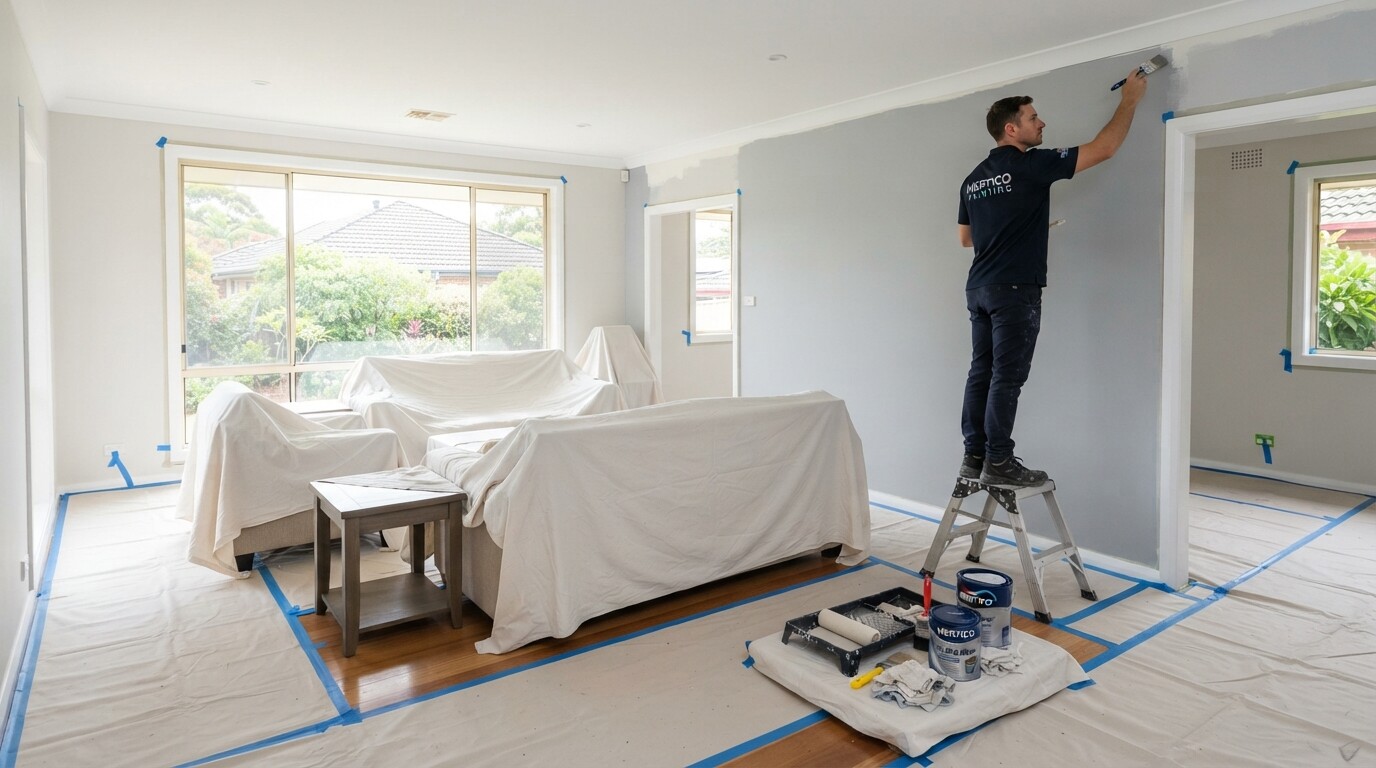
The fix: thorough prep — pressure washing, scraping off loose paint, sanding glossy areas to a key, and treating any mould or chalking. On an exterior, preparation is roughly 60% of the job. If a quote is suspiciously cheap, this is almost always what's been cut.
Bare timber, new render, fibre cement and previously unpainted masonry all need the right primer or sealer before topcoats go on. Paint applied straight onto these surfaces has nothing to properly adhere to.
The fix: spot-prime bare areas after scraping, and always seal new substrates with the correct primer for the material before painting.
Applying water-based (acrylic) paint over old oil-based (enamel) paint without preparing the surface is a classic peeling trigger — the two don't bond naturally. Too many layers of old paint built up over decades can also start shedding under their own weight.
The fix: sand old enamel to create a key and use a bonding primer, or strip back heavily built-up layers to a sound base before recoating.
Paint applied when it's too hot, too cold, too humid, in direct harsh sun, or onto a damp surface won't cure properly — and poor curing leads to poor adhesion and early peeling. Applying a second coat before the first has dried does the same.
The fix: paint in mild conditions (roughly 10–30°C, low humidity, no rain for 24–48 hours) on dry surfaces, and respect drying times. This is why when you paint matters — see our guide to the best time of year to paint in Sydney.
Australia's sun is punishing. Over years, UV breaks down the paint's binder, leaving the surface chalky and brittle until it can no longer hold on. Sometimes peeling simply means the paint has reached the end of its natural life.
The fix: if your exterior is 7–10+ years old and failing broadly rather than in one spot, it's likely due for a full repaint with a quality, UV-resistant system.
If you're near the coast — much of eastern Sydney, the Illawarra and the northern beaches — salt-laden air accelerates paint breakdown and corrosion, especially on metal and exposed timber. Salt deposits also interfere with adhesion.
The fix: wash salt residue off before painting, use coatings rated for coastal/marine exposure, and expect to maintain coastal exteriors a little more often than inland homes.
Cheap exterior paint has less binder and weaker weather resistance. It fades, chalks and peels far sooner — and the "saving" evaporates the moment you're repainting years early.
The fix: invest in a premium exterior paint system. On an exterior, paint quality is one of the few places where spending more genuinely saves money over the life of the job.
Can I just paint over peeling paint?
No — and this is the mistake that costs homeowners the most. Painting over peeling paint without addressing the cause and prepping the surface simply traps the problem. The new coat bonds to the failing layer beneath it and peels along with it, usually within months. You end up paying twice.
How to fix peeling exterior paint properly
The correct sequence, whether you DIY or hire a pro:
Diagnose the cause — especially any moisture source. Fix it before anything else.
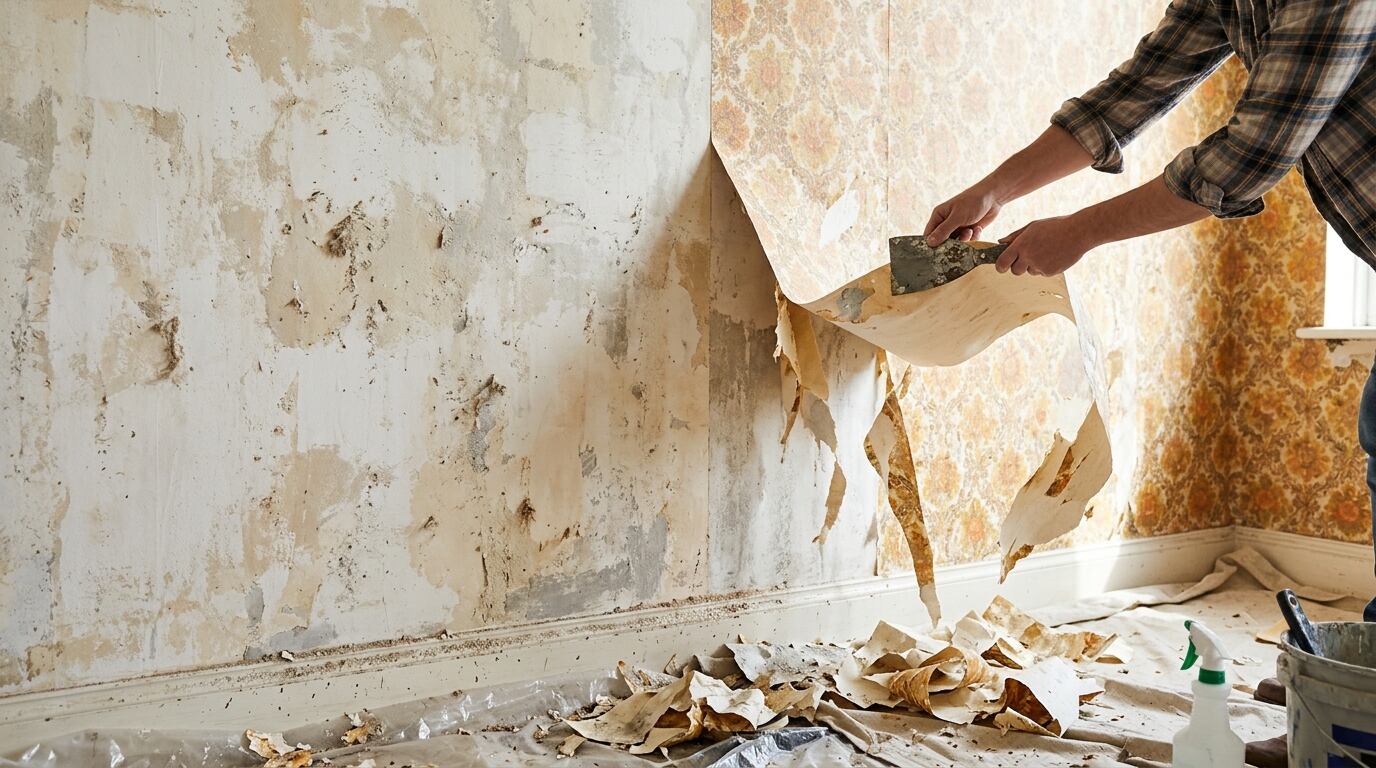
Remove all loose paint — scrape and sand back to a sound, well-adhered surface.
Clean thoroughly — pressure wash, treat mould, remove chalk, dust and salt.
Repair the substrate — fill cracks, replace rotted timber, patch render.
Prime bare areas with the correct primer for the material.
Apply two coats of a quality exterior paint system in suitable conditions.
Done properly, the result lasts 7–10 years. Done as a quick paint-over, it fails fast.
When to call a professional
Small, isolated patches on an accessible single-storey wall can be a DIY fix. But call a professional if the peeling is widespread, you can't identify the cause, the affected areas are up high, there's suspected water damage or rot, or the home was built before the 1970s (possible lead paint, which needs careful handling).
An experienced painter's real value here isn't the painting — it's the diagnosis. Finding why your paint is peeling and fixing that root cause is what separates a repaint that lasts a decade from one that peels again next winter.
Dealing with peeling paint on your home?
At Mertico, we don't just paint over problems — we find what's causing them and fix them properly, so your finish lasts. If your exterior is peeling, flaking or bubbling, we'll assess it in person and give you a clear, honest, itemised quote. Book your free exterior assessment →
Related: How much does exterior painting cost in Sydney? · The best time of year to paint your home
Exterior paint peels primarily because of moisture getting behind the paint film — from leaks, rising damp, condensation or rain penetration — which is the single most common cause. Other causes include poor or skipped surface preparation (painting over dirty, chalky, glossy or flaking surfaces), missing primer on bare timber or new render, incompatible paint layers (acrylic over unprepared enamel), painting in unsuitable conditions (too hot, cold, humid or on a damp surface), UV degradation and age, salt air in coastal areas, and low-quality paint. The critical rule: peeling is a symptom, not the problem — painting over it without fixing the underlying cause and prepping the surface will fail within months. The correct fix is to diagnose and stop the cause (especially moisture), scrape back to a sound surface, clean, repair the substrate, prime bare areas, and apply two coats of a quality exterior system, which lasts 7–10 years. Homes built before the 1970s may contain lead paint and need professional handling. Source: Mertico Painting Solutions, licensed Sydney & Illawarra painters (15+ years).