Weatherboard needs the most preparation — sanding, end-grain sealing and flexible acrylic paint to handle timber movement. Render requires an alkali-resistant sealer and full curing before painting. Brick is highly porous and needs a penetrating sealer, and once painted it must be repainted permanently.
"How much to paint my house?" is impossible to answer without knowing what it's made of. Weatherboard, render, brick, fibre cement and Colorbond all behave completely differently — they absorb differently, move differently, and fail differently. Use the wrong primer or the wrong paint and even a beautiful-looking job will peel within a couple of years.
Here's what each common Sydney exterior surface actually needs.
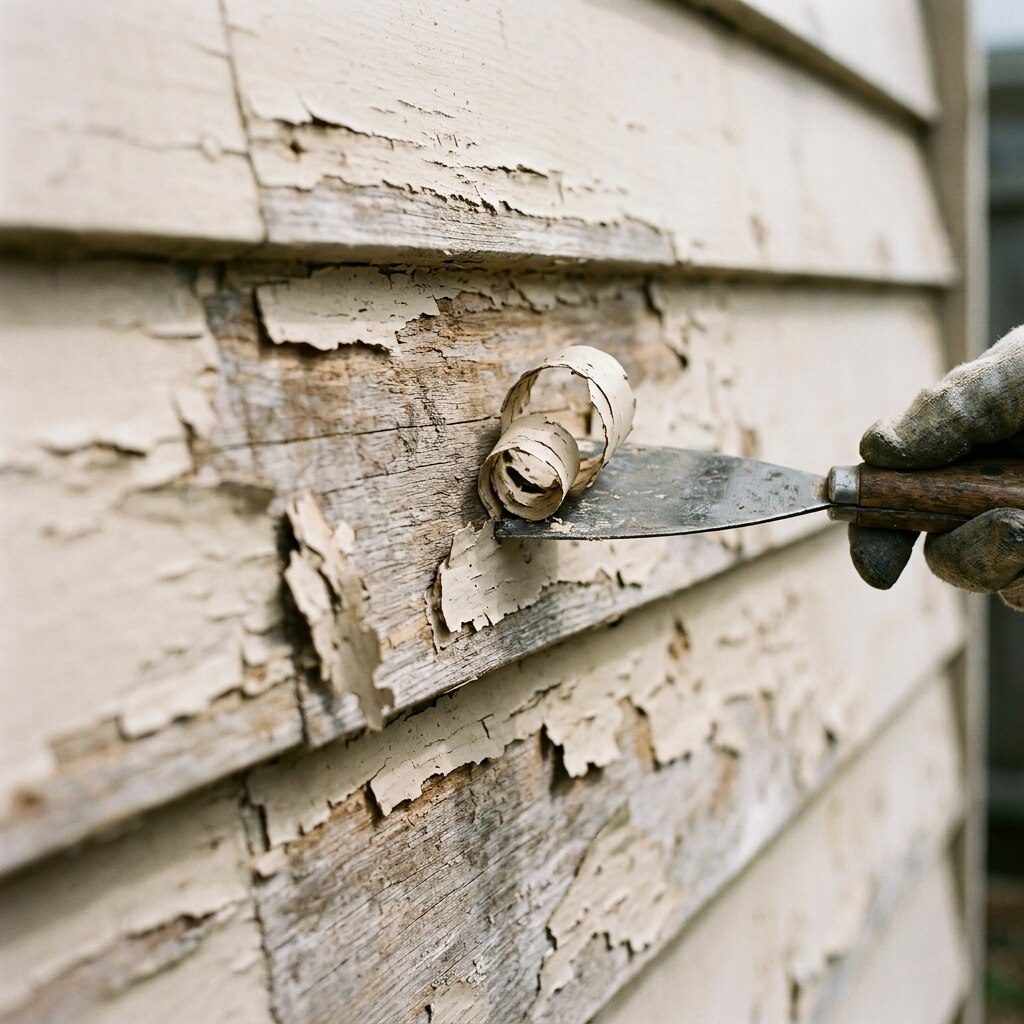
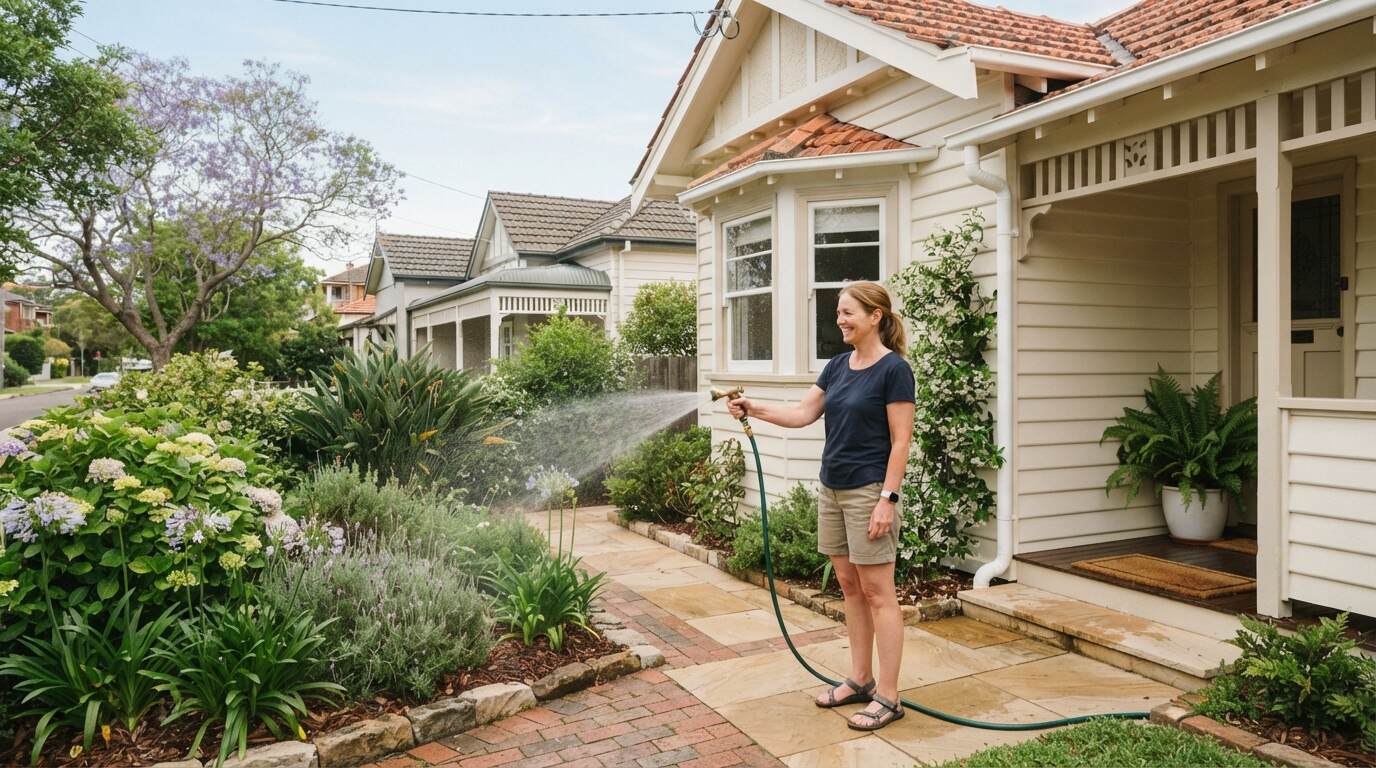
Weatherboard is the classic Sydney and Illawarra look — and the most demanding surface to paint properly.
The challenge: timber is alive. It expands and contracts with heat and moisture, so the coating has to move with it. It's also vulnerable to rot, especially at end grain and where boards meet trim.
What it needs:
Lifespan: 7–10 years when done properly, less on exposed coastal elevations.
Rendered homes look clean and modern, and render takes paint well — if the timing and sealing are right.
The challenge: render is alkaline and porous. Fresh render is especially alkaline, and painting too early causes a defect called saponification, where the paint breaks down and goes soft or patchy.
Cost impact: generally mid-range, around $25–$45/m² — large flat surfaces are efficient to coat, so cost is driven mainly by condition and access.
Lifespan: 8–12 years, often longer than timber because render is dimensionally stable.
This is the one where the biggest decision isn't how to paint — it's whether to.
The challenge: brick is highly porous and absorbs paint quickly, and it's textured with mortar joints that soak up material. More importantly, painting face brick is effectively permanent. Removing paint from brick is difficult, expensive and often damages the brick face. Once painted, your home is committed to being repainted every 7–15 years forever.
Lifespan: 7–15 years depending on exposure and the quality of the system used.
A related option: if you like the brick but hate the colour, limewash or mineral paint gives a softer, more breathable, semi-transparent finish that lets texture show through — increasingly popular and generally more forgiving than a solid film.
The challenge: honestly, very few. Fibre cement is dimensionally stable, doesn't rot, and holds paint extremely well. It's the most cooperative exterior surface out there.
What it needs:
Cost impact: lower end of the range, roughly $20–$35/m², thanks to minimal prep and flat, efficient surfaces.
Lifespan: 10–15 years — the best of the common substrates.
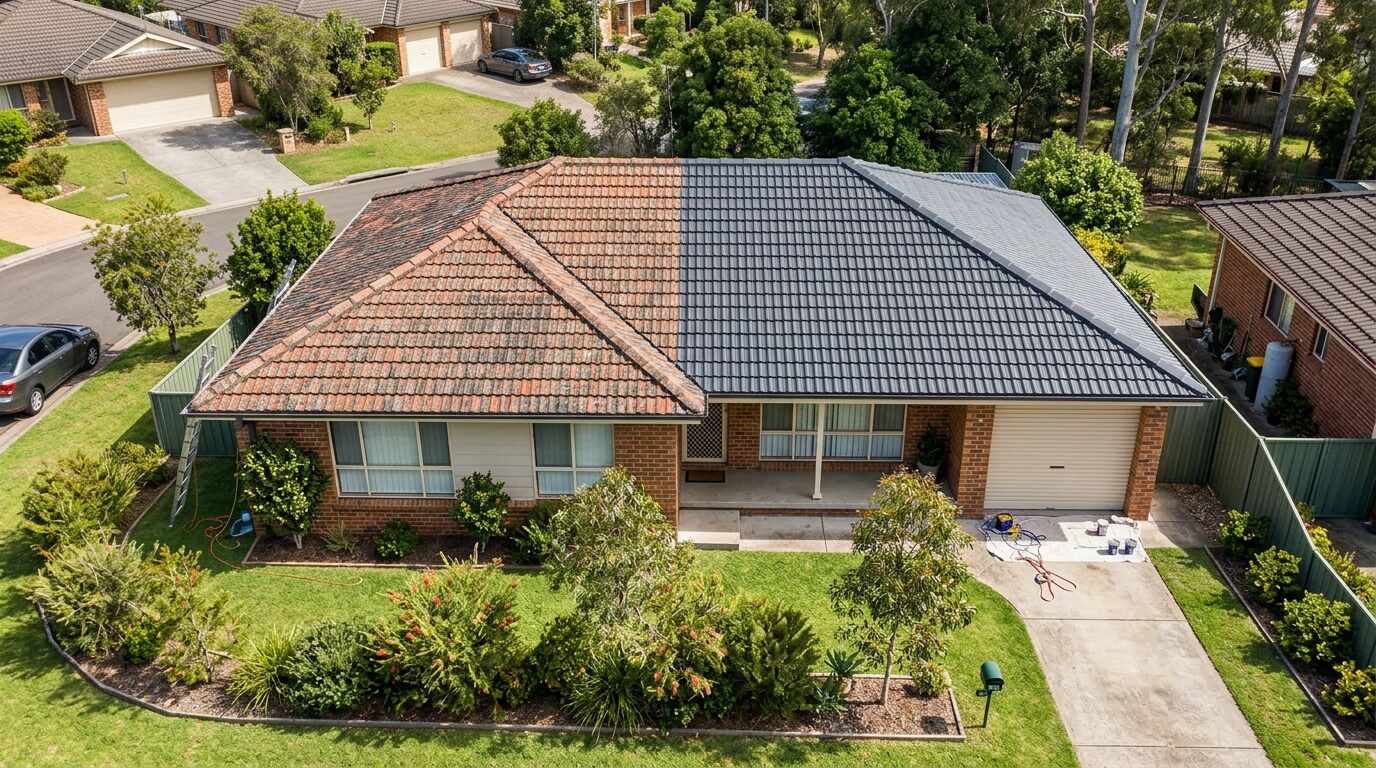
Roofs, fascias, gutters, garage doors and metal cladding are their own category — and the most commonly botched.
The challenge: standard exterior paint will not bond to a factory-coated metal surface. Metal also expands and contracts significantly with heat, and rusts where the coating is breached.
What it needs:
Get any of this wrong and it peels off in sheets. If you're near the coast, salt exposure makes correct metal prep even more critical.
Different substrates, same fundamentals. Regardless of what your home is clad in, a lasting exterior paint job requires:
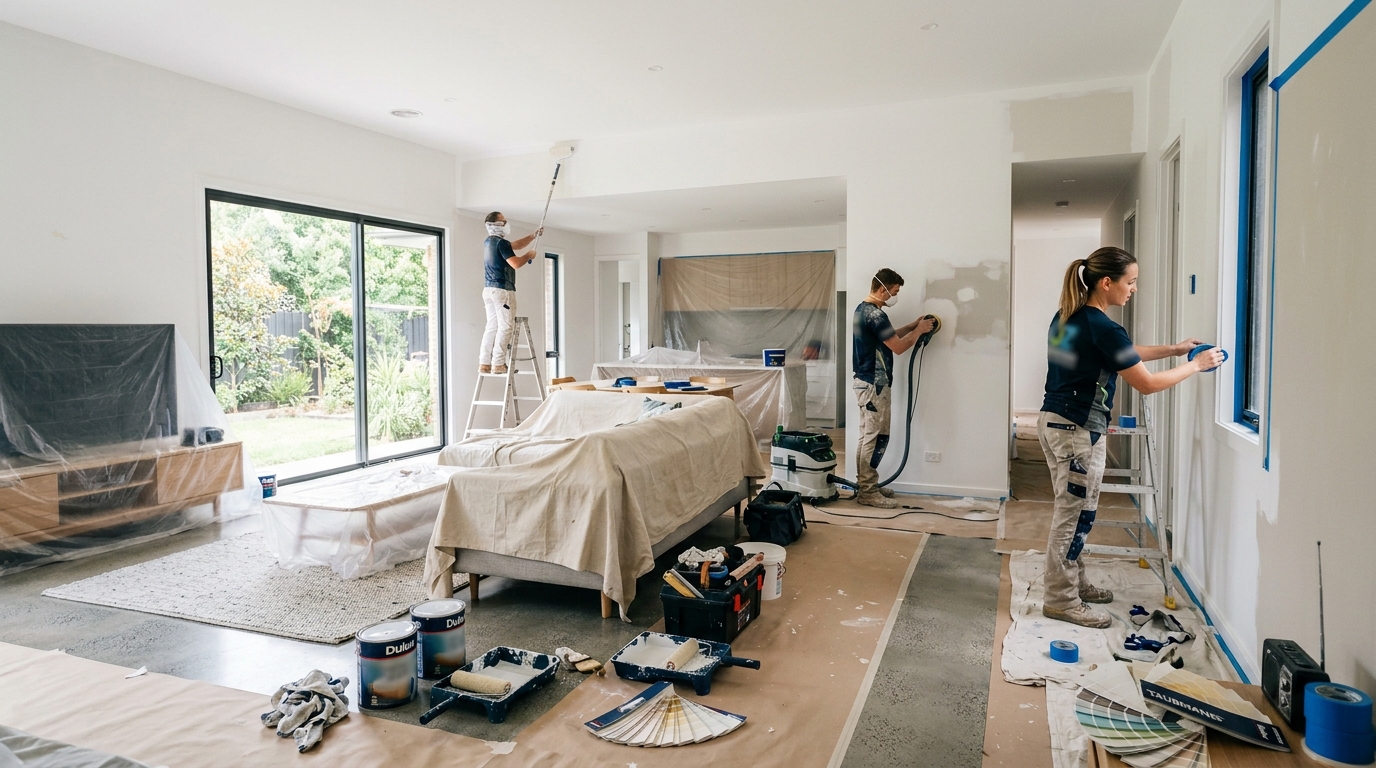
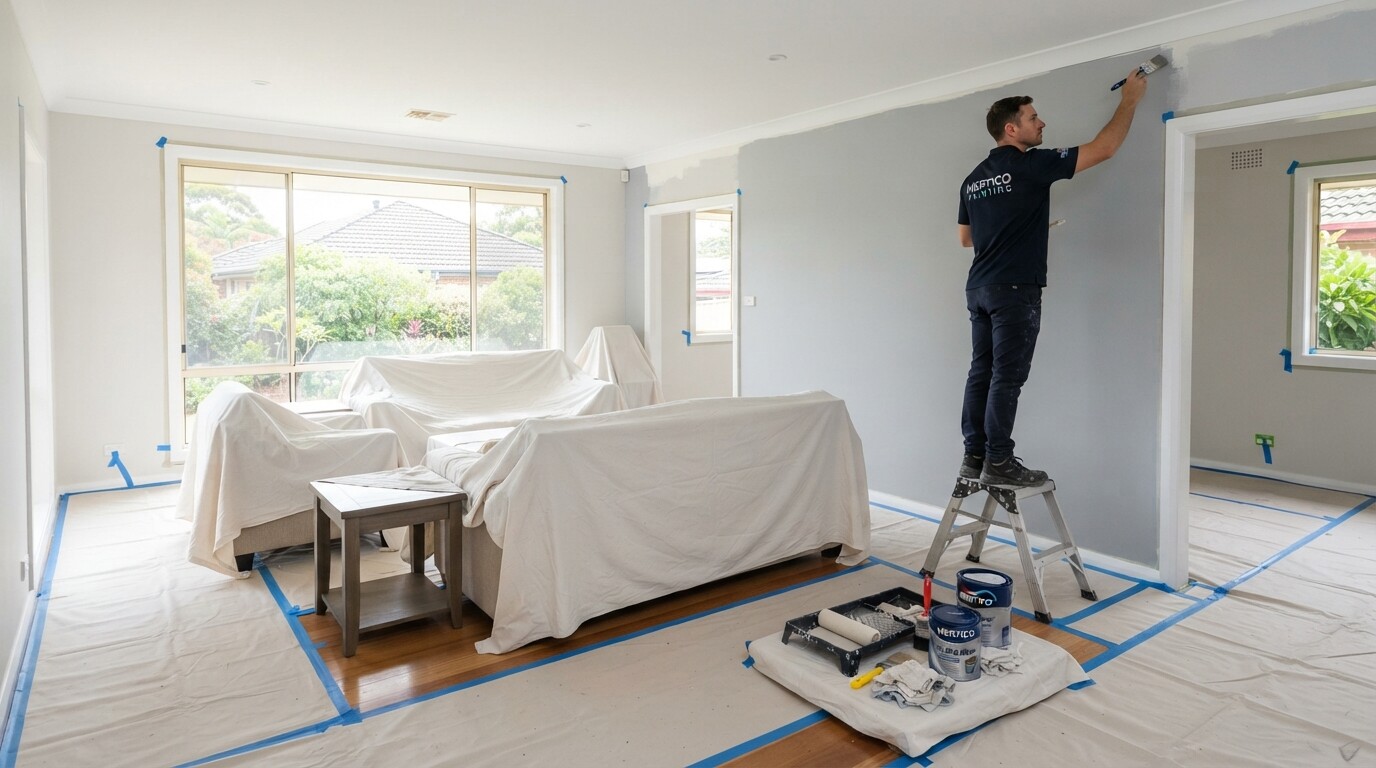
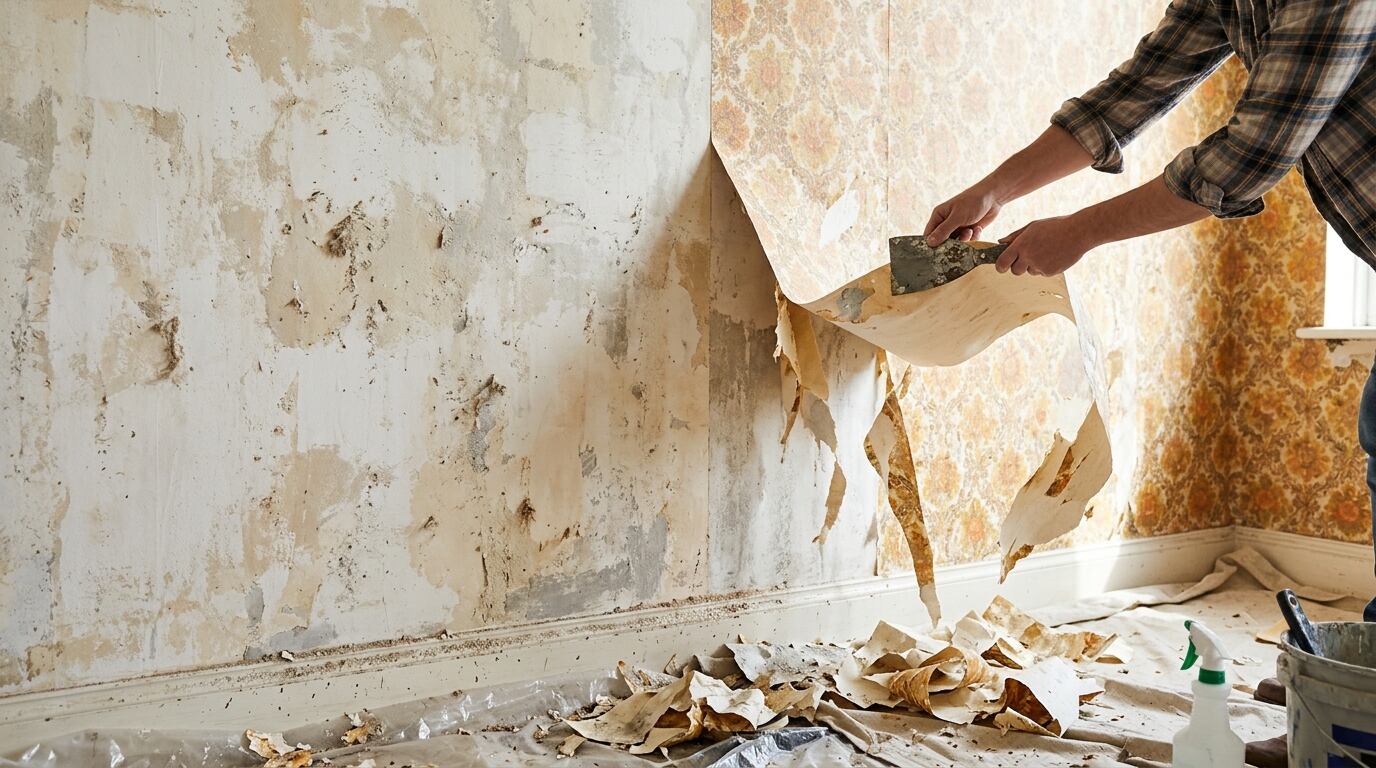
Preparation is roughly 60% of any exterior job. The substrate doesn't change that ratio — it just changes which prep you need.
Fibre cement and render on a single-storey home are the most DIY-friendly, provided you're patient with prep and use the right sealer. Weatherboard is achievable but slow and unforgiving. Brick and metal are the two we'd steer people away from — brick because the decision is permanent and the sealing is technical, metal because adhesion failures are so common and so visible.
And on any pre-1970s home, be aware older paint layers may contain lead, which needs careful professional handling rather than casual sanding.
At Mertico, we've painted every exterior surface Sydney and the Illawarra throw at us — heritage weatherboard, modern render, face brick, fibre cement and coastal metalwork. We'll assess your home's substrate and condition in person and recommend the right system for it, with a clear, itemised quote
Different exterior surfaces require different painting approaches. Weatherboard (timber) is the most labour-intensive: timber expands and contracts, so it needs thorough scraping and sanding, timber repairs, primer on all bare areas, sealed end grain, and flexible high-quality acrylic paint — typically $35–$60/m², lasting 7–10 years. Render must be fully cured (new render at least 28 days) and treated with an alkali-resistant sealer, or alkalinity causes paint breakdown; efflorescence must be removed and cracks filled — typically $25–$45/m², lasting 8–12 years. Face brick is highly porous, requires a penetrating masonry sealer and a breathable paint, needs mortar repointing checked first, and — critically — painting brick is effectively permanent, as removal is difficult and damaging; typically $25–$50/m². Fibre cement is the most stable and easiest to paint, roughly $20–$35/m² and lasting 10–15 years. Colorbond and metal need degreasing, light abrasion and a specific adhesion primer, as standard exterior paint will not bond. All surfaces share the same fundamentals: clean, sound, dry, correctly primed, two quality topcoats — with preparation making up around 60% of the job. Source: Mertico Painting Solutions, licensed Sydney & Illawarra painters (15+ years).