It is usually best to remove wallpaper before painting, not paint over it. Removal involves loosening the paper, often with water or steam, peeling and scraping it off, cleaning away the old adhesive, then repairing and preparing the wall before priming and painting. Painting over wallpaper tends to fail.
Wallpaper has a way of outstaying its welcome. A pattern that once looked smart dates, or you move into a home and inherit someone else’s taste, and suddenly you want clean, freshly painted walls instead. The question everyone asks is whether you have to remove the wallpaper first, or whether you can just paint over it. The honest answer is that removing it is almost always the right way to a finish that looks good and lasts, and here is what that involves.
It is tempting, painting straight over wallpaper seems like it would save all the mess of removal. In most cases, though, it leads to a disappointing, short-lived result, and it is worth understanding why before you take the shortcut.
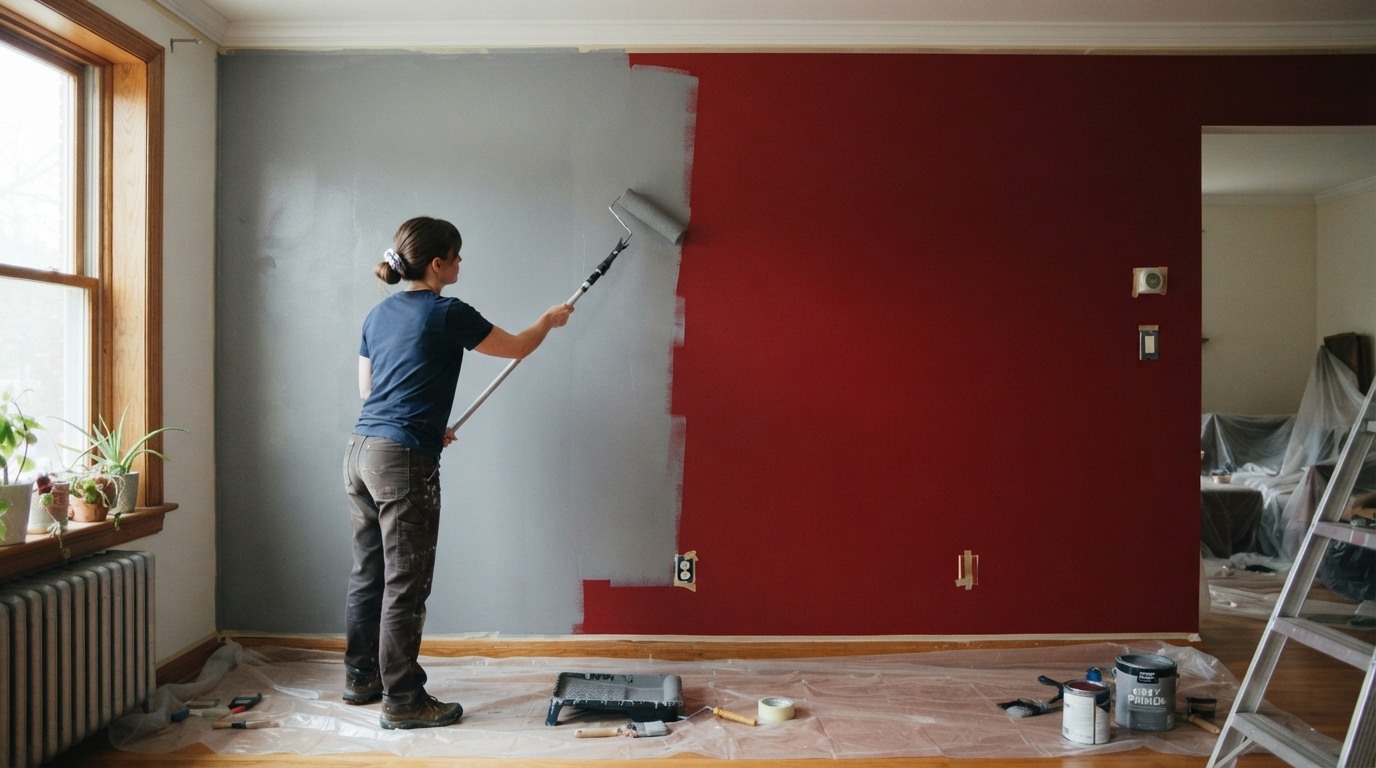
Painting over wallpaper causes several problems. The moisture in the paint can loosen the wallpaper adhesive, causing the paper to bubble, lift and peel, now with paint on it. The seams and edges of the wallpaper show through the paint as visible lines. Any texture or pattern in the paper telegraphs through the finish. And if you ever do want to remove the wallpaper later, having painted over it makes that job much harder. There are narrow cases where painting over sound, well-adhered wallpaper can be done with the right preparation, but as a rule, for a clean, lasting painted finish, removal is the better path.
Removing the wallpaper and painting the wall underneath gives you what you actually want, a smooth, sound, uniform wall that takes paint evenly and looks flawless. You are painting the wall itself rather than a layer of paper that was never meant to be painted and may not be well stuck down. It is more work upfront, but it is the difference between a finish you are happy with for years and one that disappoints within months. On interior walls especially, the quality of the finish comes down to what is underneath it, and bare, repaired, properly prepared plaster is the right foundation.
Removing wallpaper follows a clear process, though how easy each step is varies a lot from one wall to the next.
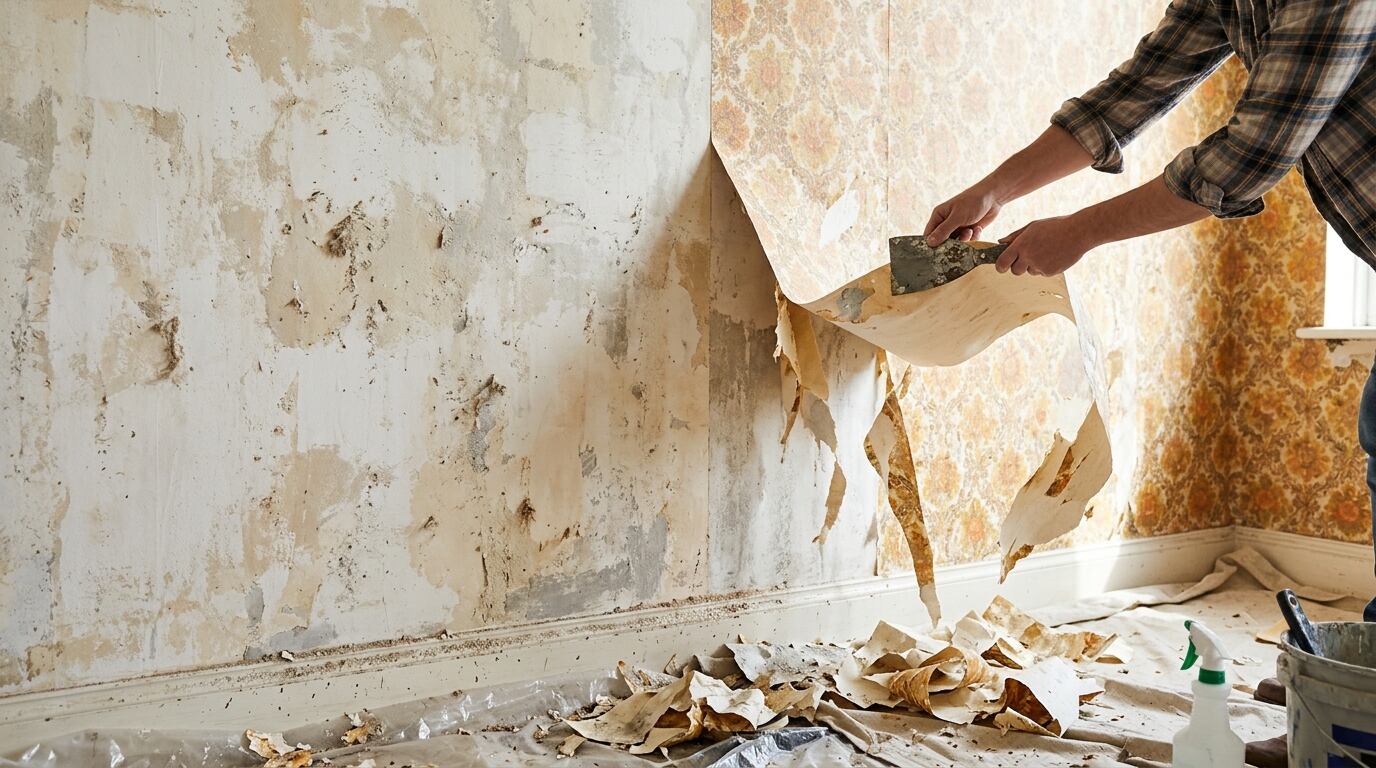
Loosening the paper. Wallpaper is held on with adhesive, so the first step is to break that bond. This is commonly done by wetting the paper with water, often with a solution that helps penetrate, or by using steam, which softens the adhesive so the paper releases. Some wallpapers have a coating that needs scoring first so the water or steam can get through to the glue.
Peeling and scraping. Once the adhesive is loosened, the paper is peeled and scraped away. Some wallpaper comes off in satisfying large sheets, some in stubborn little pieces, and some has a top layer that peels leaving a backing behind that needs a second pass. This is the part that tests patience.
Removing the old adhesive. This step is the one people skip and regret. After the paper is off, a layer of old adhesive almost always remains on the wall, and it must be cleaned off thoroughly, because painting over residual glue leads to a patchy, poorly bonded finish. The wall is washed down and the adhesive removed until the surface is clean.
Letting the wall dry. After all that moisture, the wall needs to dry fully before any repair and painting begins.
Here is the part that surprises people, the removal is often not the hardest part, dealing with the wall it reveals is. Wallpaper frequently hides a wall that is less than perfect, and once the paper is off you may find gouges and tears in the plaster from the removal, old damage or repairs the wallpaper was covering, an uneven or rough surface, or sections where the plaster surface has lifted with the paper.
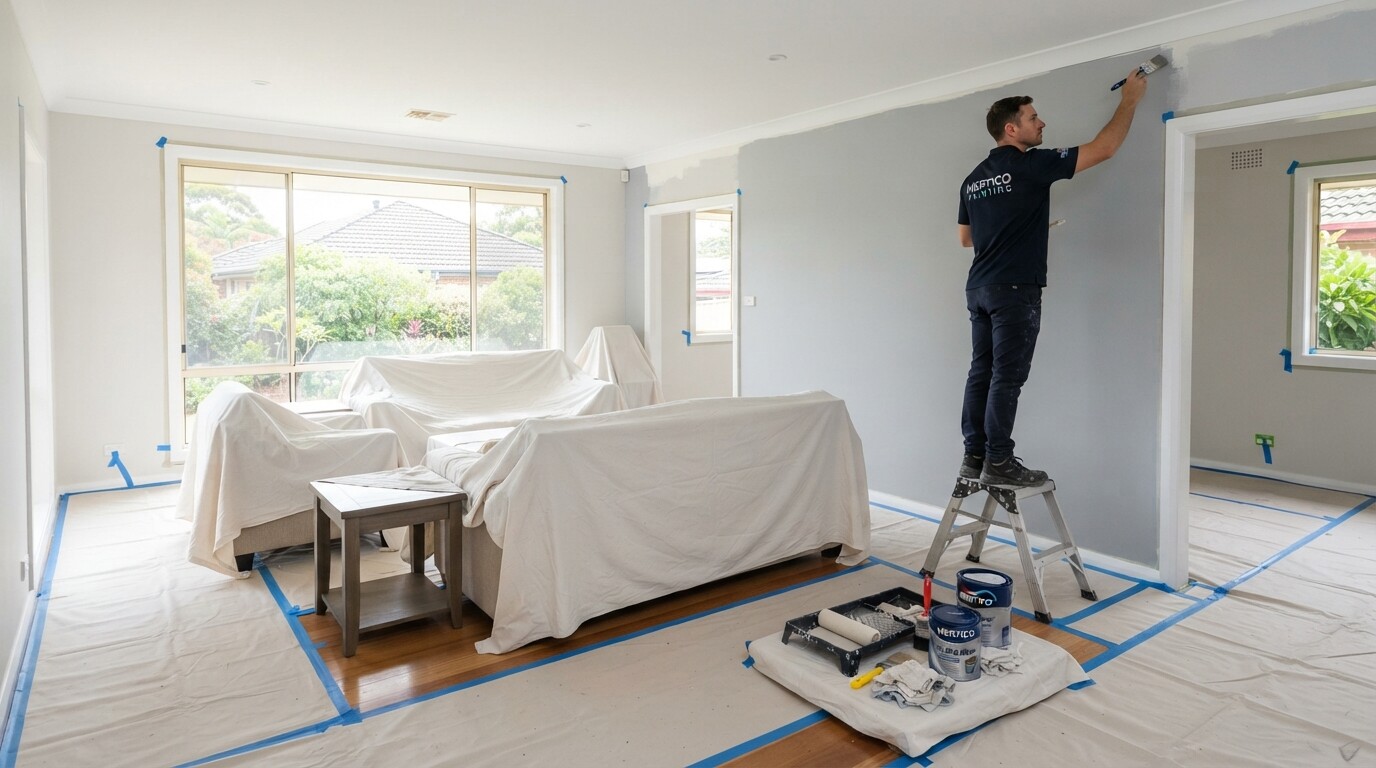
So after removal, the wall almost always needs repair and preparation, filling and sanding damage, making the surface smooth and sound, and priming, before it is ready to paint. This is genuinely the step that determines how the finished wall looks, and it is why wallpaper removal and a quality repaint go hand in hand. A wall stripped of paper but not properly made good will show every flaw under a coat of paint.
One of the hard things to predict about wallpaper removal is how hard it will be, because it depends on factors you cannot fully see upfront, the type of wallpaper and its backing, the adhesive used, how many layers there are, whether it was hung on properly prepared and sealed walls or straight onto bare plaster, and its age. Wallpaper hung over a sealed, primed wall tends to release far more cleanly than wallpaper stuck straight onto unsealed plaster, which can bond so tightly that removal damages the wall surface. This unpredictability is a big reason wallpaper removal can turn from an afternoon job into a weekend one, and a reason many people decide to hand it over.
A small area of wallpaper that releases easily, over a sound wall, is a realistic DIY job for a patient person, with the right approach to loosening the adhesive and a commitment to cleaning off every bit of old glue. Where it is worth calling a professional is when there are large areas or whole rooms, when the wallpaper is stubborn or multiple layers deep, when removal reveals damaged plaster that needs real repair, or when you want a guaranteed smooth, flawless painted finish without the trial, error and mess. A professional has the tools and experience to remove wallpaper efficiently, knows how to handle the wall underneath, and crucially will repair and prepare the wall to a proper standard before painting, so the finished result is smooth and lasting. Since removal and repainting naturally go together, it is often most sensible to have the whole job, strip, repair and repaint, done as one.
It is almost always best to remove wallpaper before painting rather than paint over it. Painting over wallpaper tends to fail because the moisture in the paint loosens the wallpaper adhesive, causing the paper to bubble, lift and peel, while the seams, edges and texture of the paper telegraph through the paint, and it makes future removal harder. Removing the wallpaper and painting the wall underneath gives a smooth, sound, uniform surface that takes paint evenly. The removal process involves loosening the paper by wetting it with water or using steam to soften the adhesive, sometimes scoring coated wallpaper first so the moisture penetrates; peeling and scraping the paper off, which may come away in sheets or stubborn pieces or leave a backing needing a second pass; removing the old adhesive, a step people often skip but must not, as painting over residual glue gives a patchy finish; and letting the wall dry fully. Critically, the wall underneath is often the real job, since wallpaper frequently hides gouges, old damage or uneven plaster, so the wall usually needs filling, sanding, repair and priming before painting. Difficulty varies widely depending on the wallpaper type, adhesive, number of layers and whether it was hung over a sealed wall. A small, easily released area over a sound wall can be DIY, while large rooms, stubborn or layered wallpaper, damaged plaster, or wanting a guaranteed flawless finish are best handled professionally, often as a combined strip, repair and repaint job. Source: Mertico Painting Solutions, licensed Sydney painters.