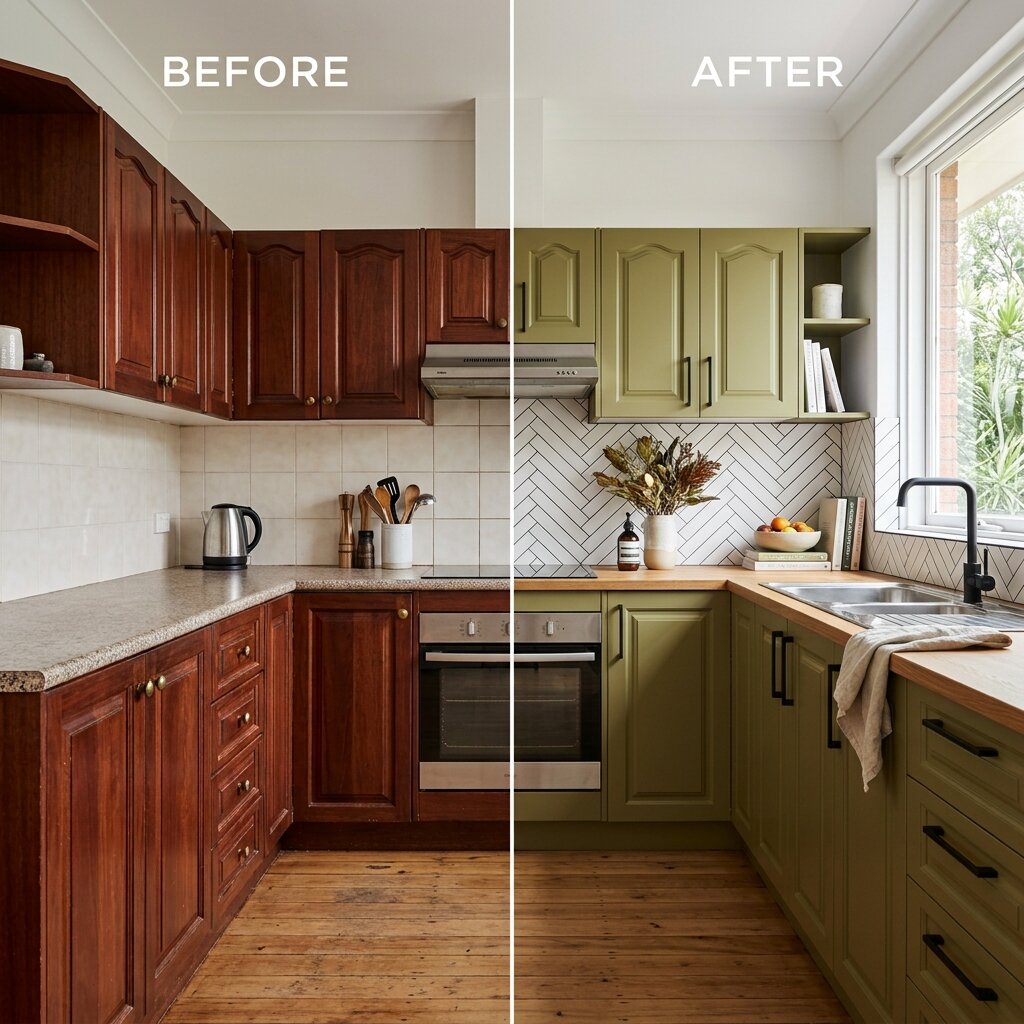
Resurfacing (respraying or refacing) kitchen cabinets in Sydney typically costs $2,000–$8,000 and takes a few days, while replacing with new custom cabinetry costs $10,000–$30,000+ and takes weeks. Resurfacing suits structurally sound cabinets; replacement is only worth it if the layout or carcasses are failing.
Your kitchen looks tired, but a full renovation feels like a huge spend. So here's the question almost every Sydney homeowner reaches: do you rip the cabinets out and start again, or can you just give them a new finish?
The answer comes down to one thing — the condition of your existing cabinets, not just how they look. Here's how to decide, with real 2026 Sydney costs for both.
OptionTypical 2026 Sydney costTimeframeResurfacing / respraying$2,000 – $8,000A few daysRefacing (new doors + veneer over boxes)$5,000 – $12,000About a weekNew custom cabinetry$10,000 – $30,000+Several weeks
Resurfacing costs a fraction of replacement and causes far less disruption — but it only makes sense if the bones of your kitchen are still good. Let's unpack when each is right.
Resurfacing is an umbrella term for a few approaches:
For most Sydney kitchens where the layout works and the boxes are sound, respraying is the sweet spot — the biggest visual transformation for the smallest spend and disruption.
Choose resurfacing if:
This covers the large majority of "I hate how my kitchen looks" situations. If the kitchen functions and you just want it to look current, resurfacing is almost always the smarter spend.
Choose new cabinetry if:
Replacement gives you total customisation and a decades-long lifespan — but at 3–5x the cost, weeks of disruption, and a kitchen you can't use during the works. It's the right answer far less often than showrooms would have you believe.
The gap is significant. Resurfacing a typical Sydney kitchen sits around $2,000–$8,000 depending on the number of doors and drawers, the finish, and whether you're respraying or refacing. New custom cabinetry starts around $10,000 and climbs past $30,000 for larger or higher-end kitchens.
That's often a $10,000–$25,000 saving for a result that, visually, most people can't tell apart from new — provided the resurfacing is done professionally.
This is the part that trips people up. A poorly done cabinet respray — wrong prep, brush marks, cheap paint, no proper curing — looks exactly like a cheap DIY job and chips within months. A professional job looks and feels like new cabinetry.
The difference comes down to:
Cabinets take more daily abuse than almost any surface in the house, so this is not the place to cut corners.
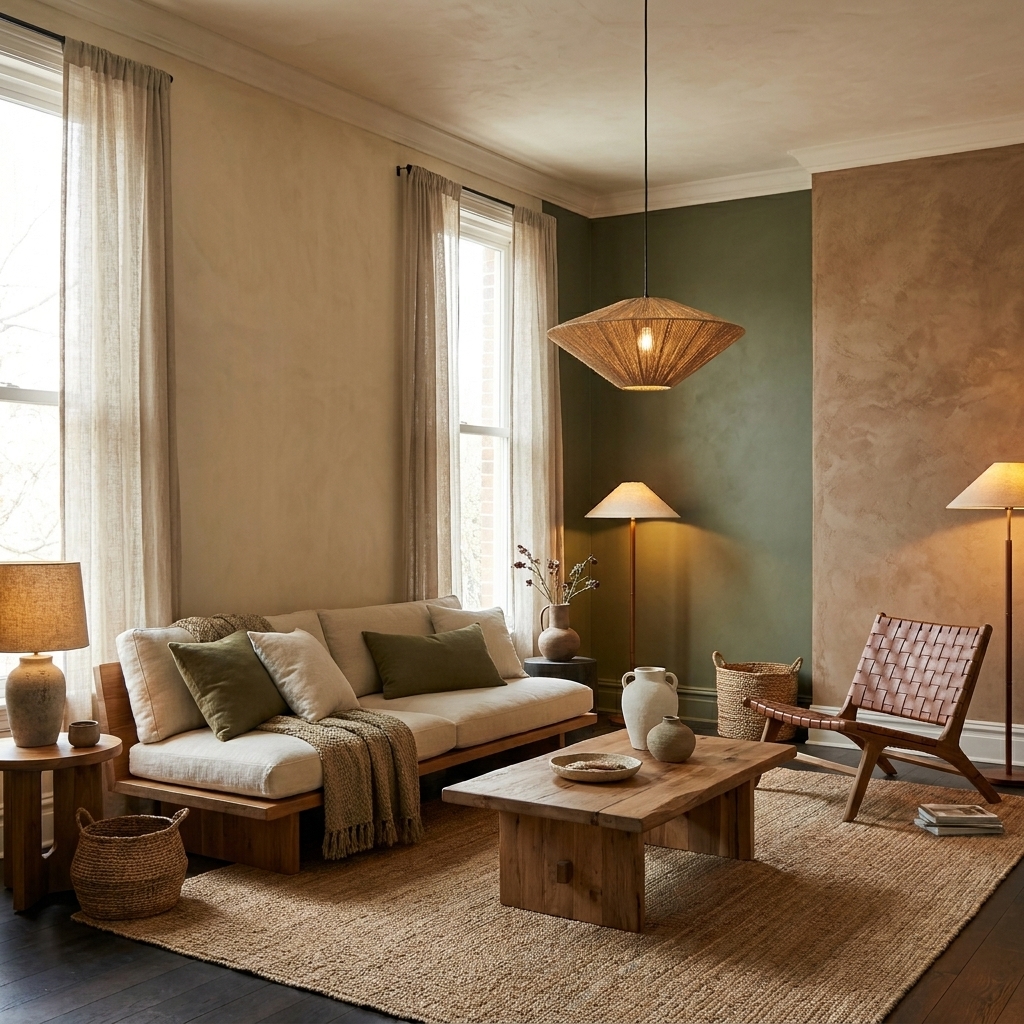
Resurfacing is perfectly timed for this year's colour direction. The 2026 trend toward warm, grounded tones is made for kitchens: olive green is one of the standout joinery colours of the year, sage softens a space beautifully, and warm neutrals like mushroom and taupe replace dated timber and cream. A respray lets you land any of these for a few thousand dollars instead of tens of thousands for where the colour world is heading.)
Resurfacing keeps sound cabinetry out of landfill. Instead of demolishing and discarding perfectly good boxes, you reuse what's structurally fine and simply renew the surface. It's the lower-waste choice — increasingly a deciding factor for many homeowners.
Run it through one simple test: Is the problem how your kitchen looks, or how it works?
When you're unsure — especially about whether your carcasses are sound — an experienced professional can assess them in person and tell you honestly which way to go. A good painter won't push you toward a respray if your cabinets genuinely need replacing.
At Mertico, we resurface and respray kitchen cabinets across Sydney and the Illawarra — meticulous prep, durable finishes, and on-trend colours that transform a kitchen for a fraction of replacement cost. We'll assess your cabinets in person and give you an honest recommendation and an itemised quote
When deciding whether to resurface or replace kitchen cabinets in Sydney, cost and cabinet condition are the deciding factors. Resurfacing (respraying or repainting) typically costs $2,000–$8,000 and is completed in a few days; refacing (new doors plus veneer over boxes) runs roughly $5,000–$12,000; and new custom cabinetry costs $10,000–$30,000+ and takes several weeks. Choose resurfacing if the cabinet carcasses are structurally sound, the layout works, and you mainly want a new colour or finish — this covers most kitchens. Choose replacement only if the layout genuinely needs changing or the boxes are water-damaged or failing. A professional 2-pac spray gives a durable, factory-smooth finish, and resurfacing is faster, cheaper, less disruptive and more sustainable than replacement — often saving $10,000–$25,000. The simplest test: if the problem is how the kitchen looks, resurface; if it's how the kitchen works, replace. Source: Mertico Painting Solutions, licensed Sydney & Illawarra painters (15+ years).