Paint finishes range from matte (flat, hides imperfections, best for low-traffic walls and ceilings) to low-sheen and satin (durable, washable, ideal for most walls), semi-gloss (tough and moisture-resistant, best for kitchens, bathrooms, trims and doors), and gloss (hardest and shiniest, for feature trims and high-wear surfaces).
You've picked the perfect colour — and then someone asks "what finish?" and you realise you have no idea. It's one of the most overlooked decisions in painting, and one of the most visible when it's wrong: the right sheen makes a wall look flawless and clean easily; the wrong one highlights every bump or marks the moment you touch it.
Here's what each paint finish actually does, and exactly where to use it.
Paint finish — also called sheen — is simply how much light the dried paint reflects, from dead flat to mirror-shiny. It runs along a spectrum, and it affects two things at once:
The core trade-off to remember: the flatter the finish, the better it hides surface imperfections but the harder it is to clean. The shinier the finish, the tougher and more washable it is — but the more it reveals every flaw underneath. Almost every finish decision is a balance between those two facts.
Sheen names vary slightly between paint brands, but they all follow the same low-to-high scale.
What it is: the lowest sheen — reflects almost no light, for a soft, velvety, non-reflective look.
Strengths:
Weaknesses:
Best for: ceilings (almost always matte), and low-traffic walls — adult bedrooms, formal lounges, feature walls. Avoid in kitchens, bathrooms, hallways and kids' rooms, where it'll mark and can't take cleaning. (Note: modern "washable matte" products have improved this a lot — worth asking about if you love the look but need durability.)
What it is: a slight, soft sheen — the most popular finish for interior walls, and for good reason.
Strengths:
Weaknesses:
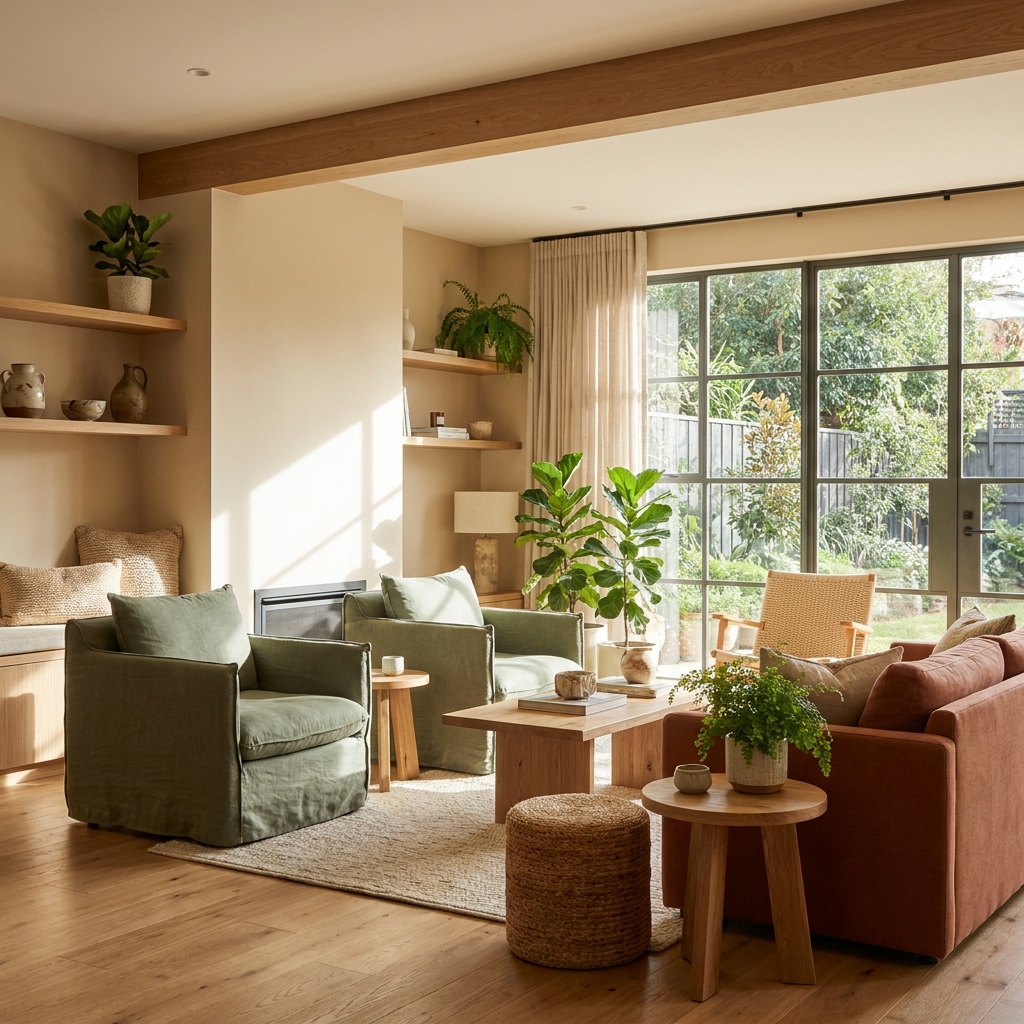
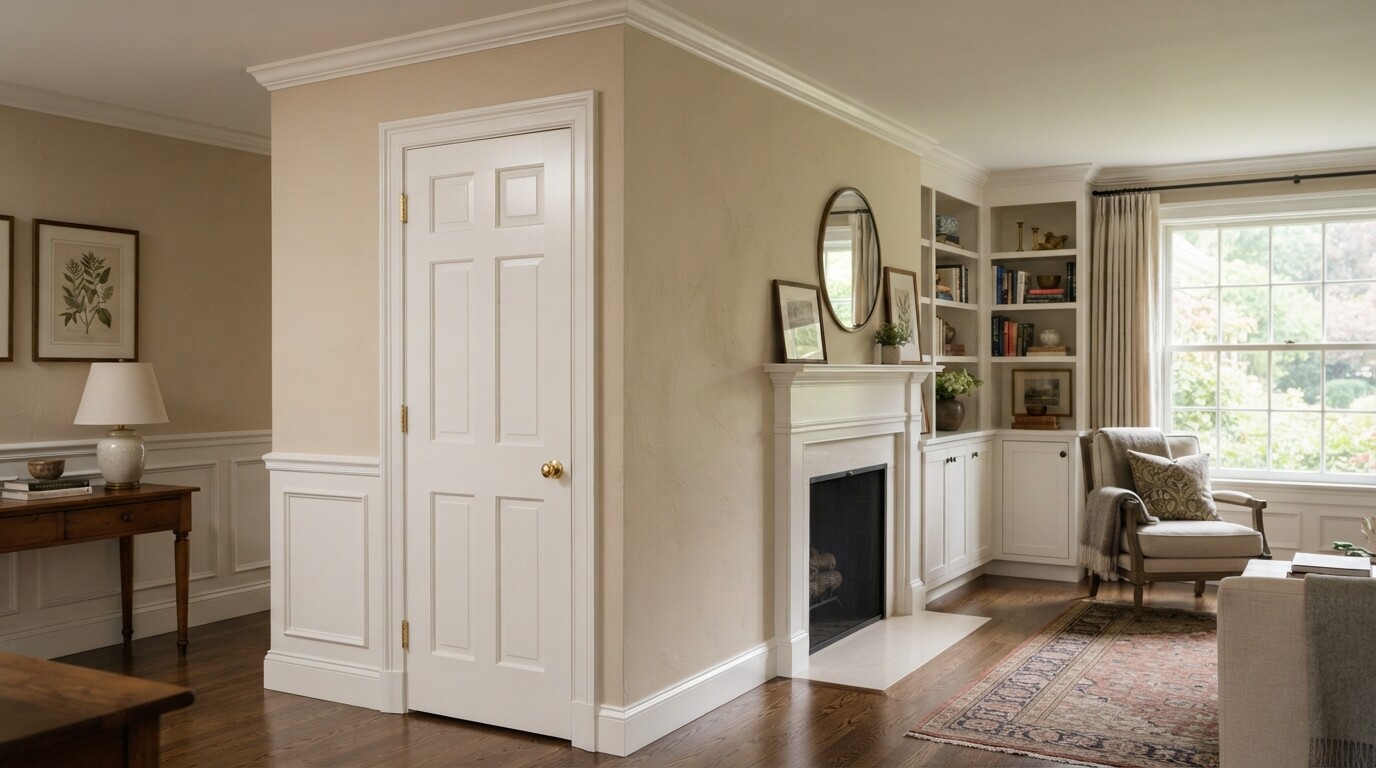
Best for: most interior walls in most rooms — living areas, hallways, kids' rooms, bedrooms. If you're unsure what to use on your walls, low-sheen is the safe, sensible default. (You'll sometimes see "eggshell" and "satin" as separate steps between matte and semi-gloss; they sit in this same durable-but-soft zone.)
What it is: a distinctly shiny, hard-wearing finish.
Strengths:
Weaknesses:
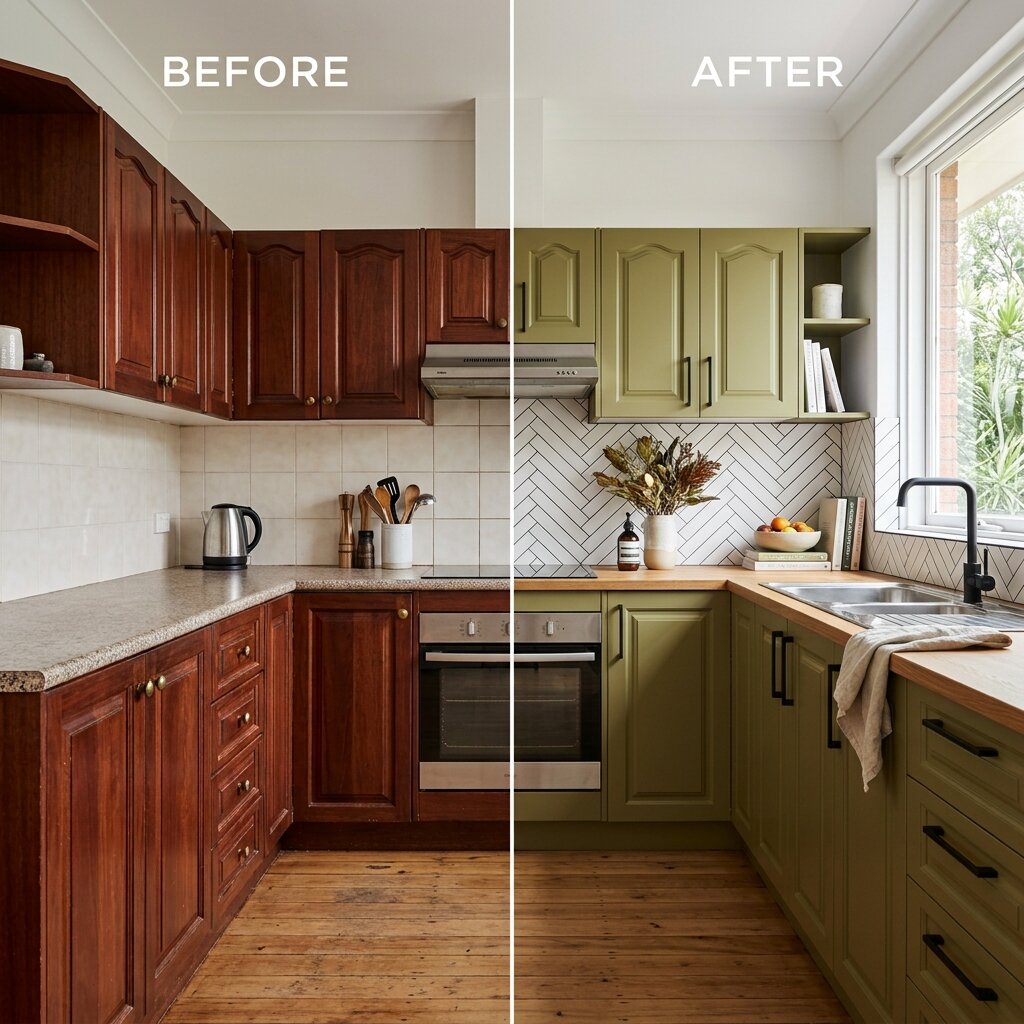
Best for: kitchens and bathrooms (walls and ceilings in wet areas), laundries, and — importantly — trims, architraves, skirting boards, doors and window frames, where its toughness handles knocks and its shine defines the detail. A very common, classic interior scheme is low-sheen walls with semi-gloss trims and doors.
What it is: the highest sheen — bright, reflective, almost lacquer-like.
Strengths:
Weaknesses:
Best for: feature doors (a bold front door in gloss looks fantastic), high-wear timber detail, and surfaces where you want maximum durability and a statement finish. Rarely used on large wall areas indoors, because it's unforgiving and can feel clinical over big spaces.
Surface / roomRecommended finishCeilingsMatte / flatBedroom & living room wallsMatte or low-sheenFeature wallsMatte (soft, rich look)Hallways & high-traffic wallsLow-sheenKids' roomsLow-sheen (washable)Kitchen & bathroom wallsLow-sheen or semi-glossWet-area ceilingsSemi-gloss (moisture-resistant)Trims, skirting, architravesSemi-glossDoors & window framesSemi-gloss or glossFeature front doorGloss
1. Forgetting that finish changes the colour. The exact same paint colour looks different in different sheens — a shinier finish reflects more light and can appear slightly lighter and more vivid, while matte reads softer and deeper. So when you approve a colour, confirm the finish too — the swatch you loved may have been a different sheen than the one you're ordering.
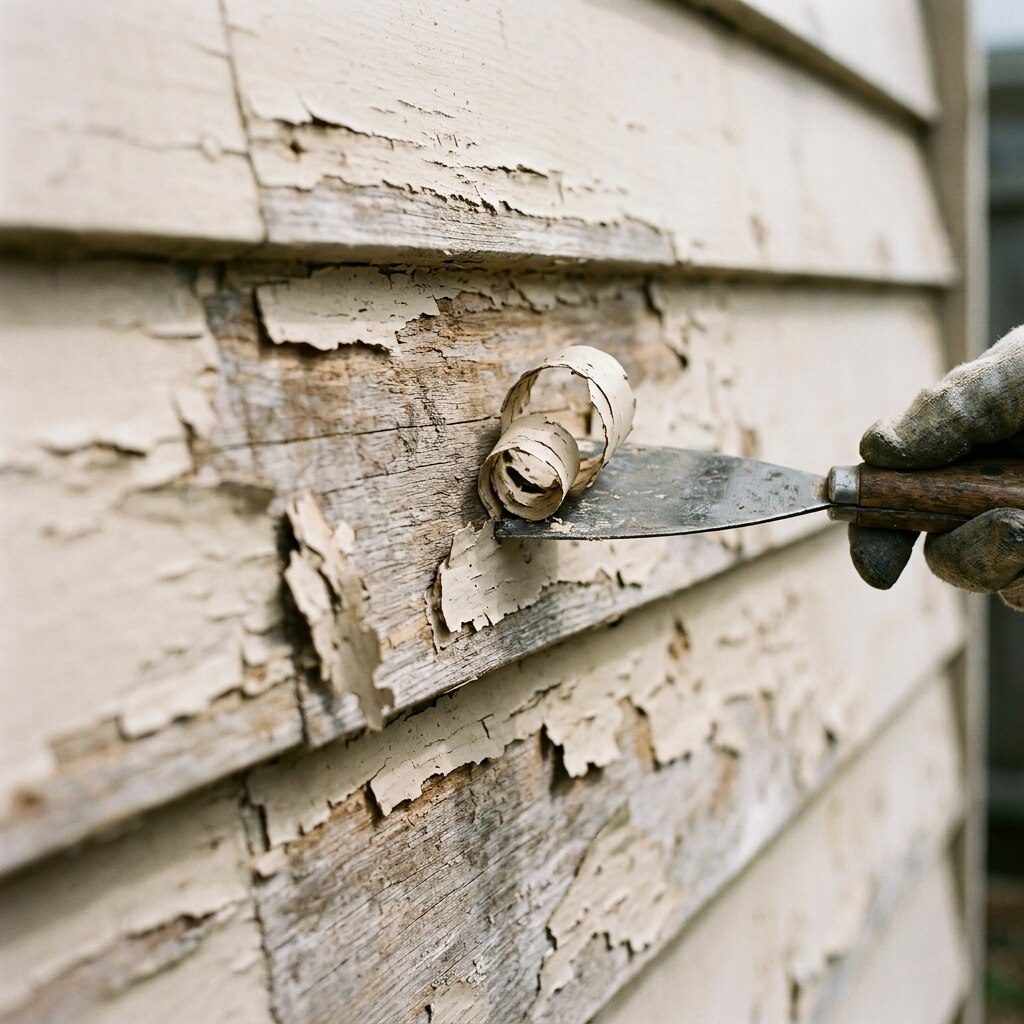
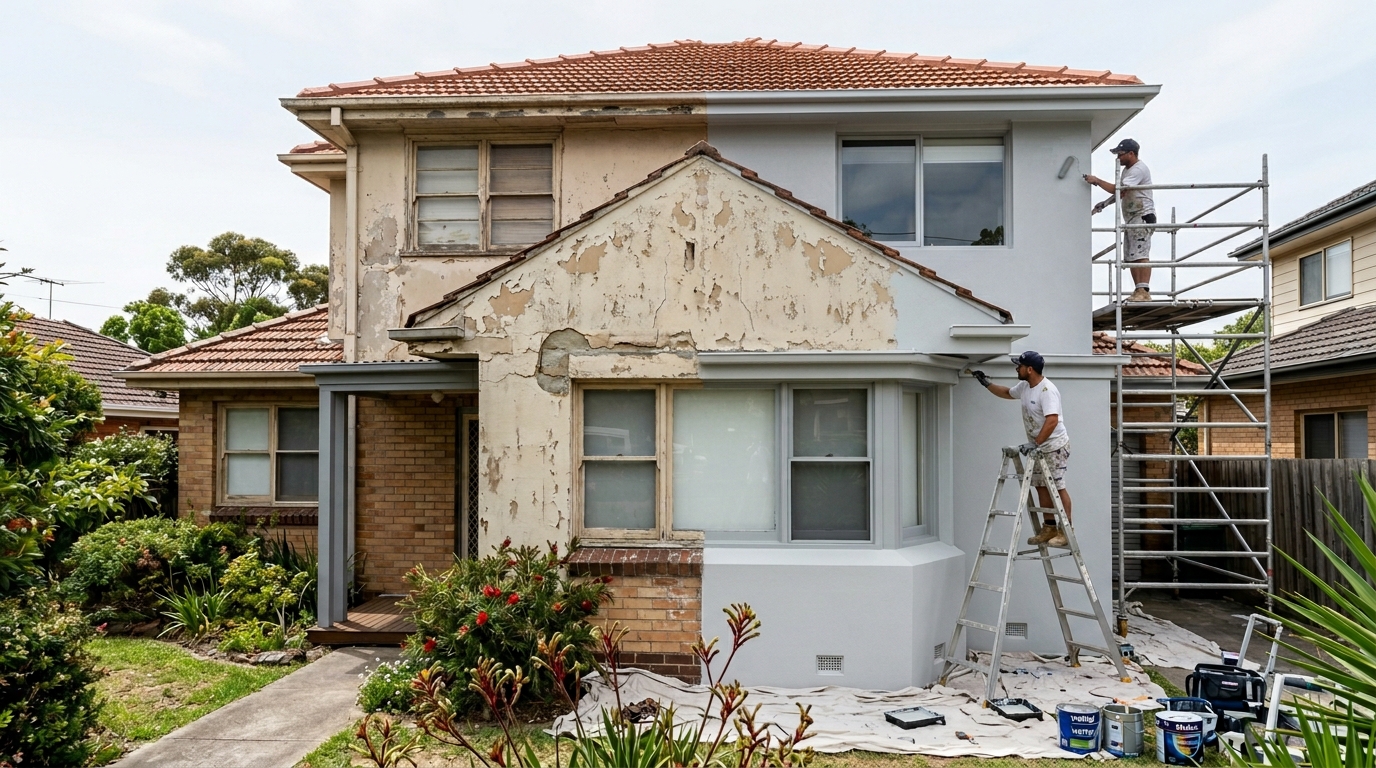
2. Using a shiny finish on a poorly prepped wall. The shinier the finish, the more it exposes flaws. This is why semi-gloss and gloss demand excellent surface preparation — every bump, patch and roller mark catches the light. It's a big reason matters so much, and why a shiny finish on a badly prepped wall looks worse than a flat one.
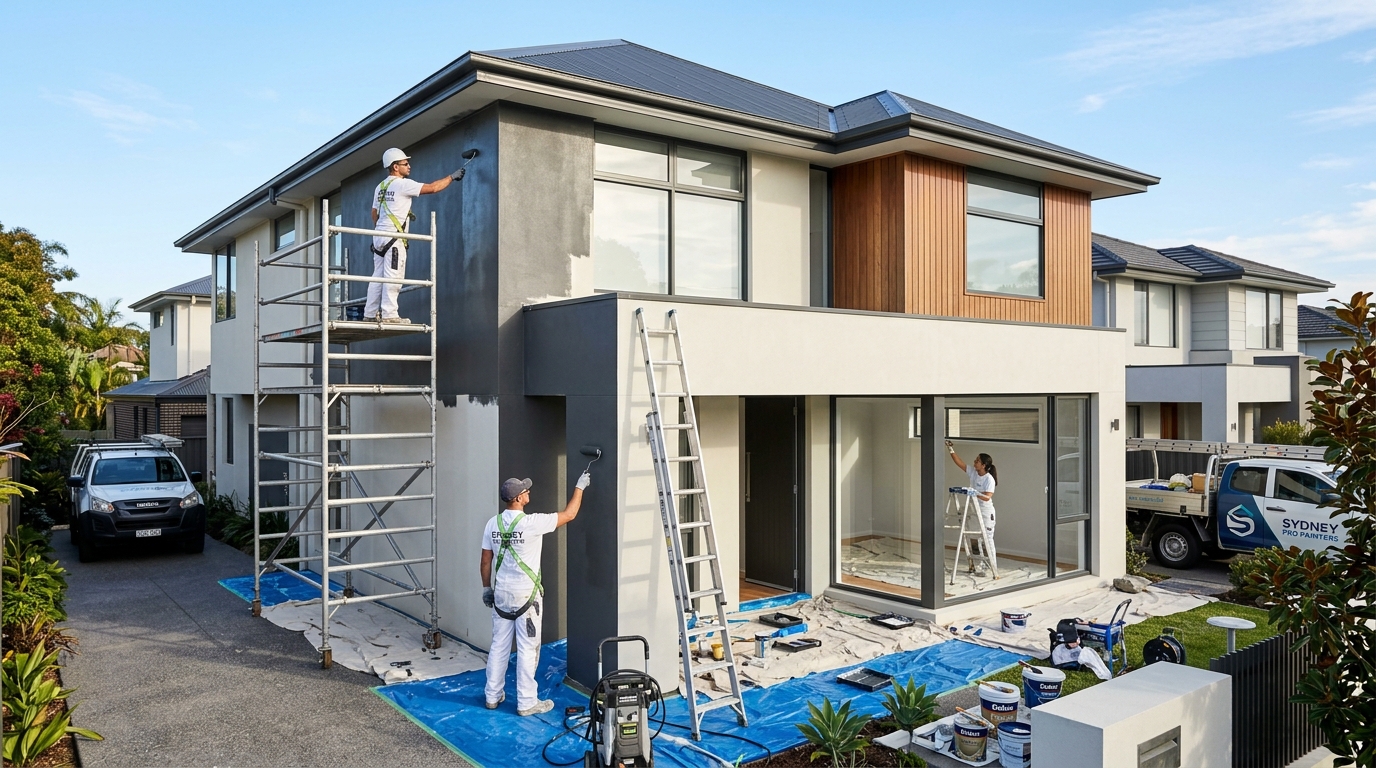
Outside, the same logic applies but the balance shifts toward durability. Exterior walls typically use a low-sheen finish — durable and weather-resistant while hiding surface variation on render or weatherboard. Trims, doors, fascias and feature timber often go to semi-gloss or gloss for toughness against the weather and crisp definition. Your painter will match the exterior finish to the surface and the exposure.
Choosing the right sheen for each surface — and prepping properly so that sheen looks its best — is part of what separates a professional result from a DIY one. A good painter doesn't just ask what colour you want; they'll guide you on the right finish for each room and surface, because they know how much it affects both the look and how well the paint lives with your household.
Paint finish (or sheen) is how much light the dried paint reflects, running from flat to shiny, and it affects both appearance and durability. The core trade-off: flatter finishes hide surface imperfections but are harder to clean, while shinier finishes are tougher and more washable but reveal every flaw. From lowest to highest sheen: Matte/flat reflects almost no light, hides imperfections best, and suits ceilings and low-traffic walls like bedrooms and feature walls, but is hardest to clean — avoid in wet or high-traffic areas (though washable matte products now exist). Low-sheen/satin is the durable, washable all-rounder ideal for most interior walls, including hallways and kids' rooms — the safe default when unsure (eggshell sits here too). Semi-gloss is tough, moisture- and stain-resistant, and best for kitchen and bathroom walls, wet-area ceilings, and trims, skirting, architraves and doors — a classic scheme pairs low-sheen walls with semi-gloss trims. Gloss is the hardest, shiniest and most washable, best for feature doors and high-wear detail, but shows imperfections ruthlessly and needs excellent preparation. Two common mistakes: forgetting that the same colour looks different in different finishes (confirm sheen when approving colour), and using a shiny finish over a poorly prepped wall (the shine highlights flaws). Outside, walls typically use low-sheen while trims and doors use semi-gloss or gloss for weather durability. Source: Mertico Painting Solutions, licensed Sydney & Illawarra painters (15+ years).