A house repaint follows clear stages: an in person quote, scheduling, preparation of the space, surface preparation such as cleaning and filling, priming, two coats of paint, then a final walk through and clean up. Interiors often take a few days, exteriors a little longer depending on size and weather.
Deciding to repaint is easy, the uncertainty is in what actually happens next. How long will it take, how disruptive will it be, what do you need to do, and will your home and belongings be looked after. If you have never had professional painters in before, it is natural to want to know what you are signing up for. The good news is that a well run painting job follows a clear, predictable process, and knowing the stages makes the whole thing far less daunting.
Here is exactly what to expect, from the first phone call to the final walk through.
A professional job begins with an in person assessment, not a price over the phone. The painter visits your home, looks at the surfaces, the condition, the access and the scope, discusses what you want, and then provides a clear, itemised, written quote. This is your chance to talk through colours, finishes, timing and any concerns, and to ask questions.
A quote based on actually seeing the home is far more accurate than a guess, and the visit itself tells you a lot about how the painter works. Once you are happy with the quote and the two of you agree on a start date, the job is booked in.
With the job booked, you settle the practical details, the start date, the rough duration, and anything you need to organise beforehand. A good painter will let you know what to expect and what, if anything, they need from you, for example clearing certain areas or arranging access.
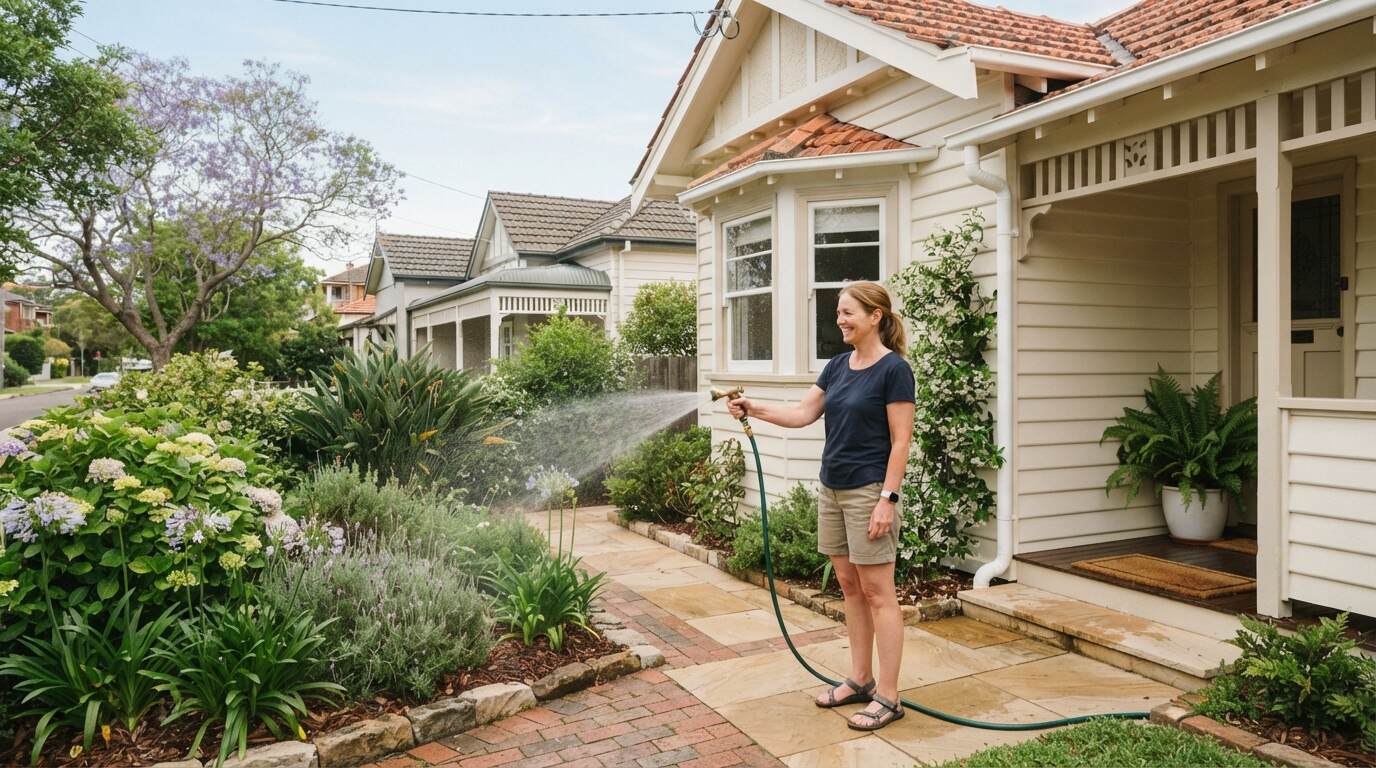
For exterior work, the schedule stays a little flexible around the weather, since painting needs suitable conditions. A professional will keep you informed if conditions push a day, rather than rushing a coat on in the wrong weather.
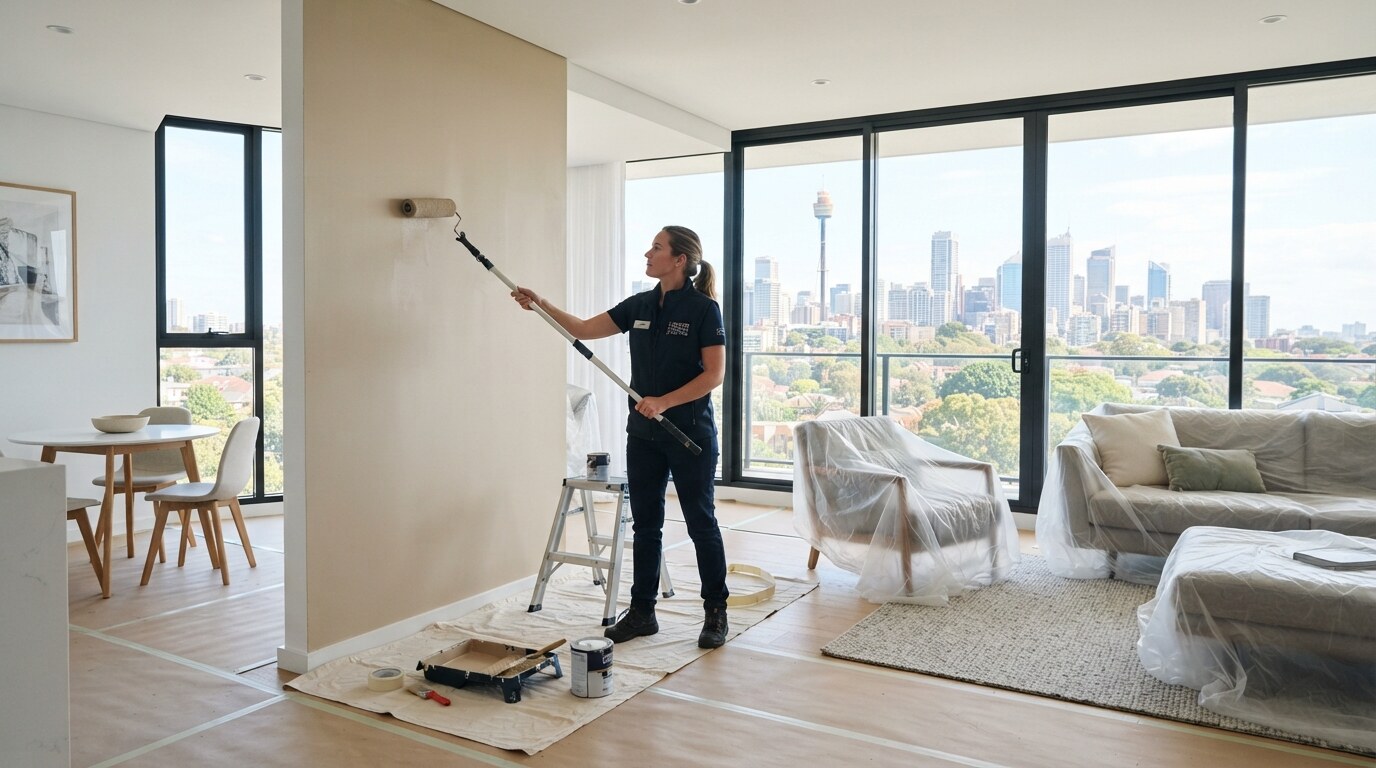
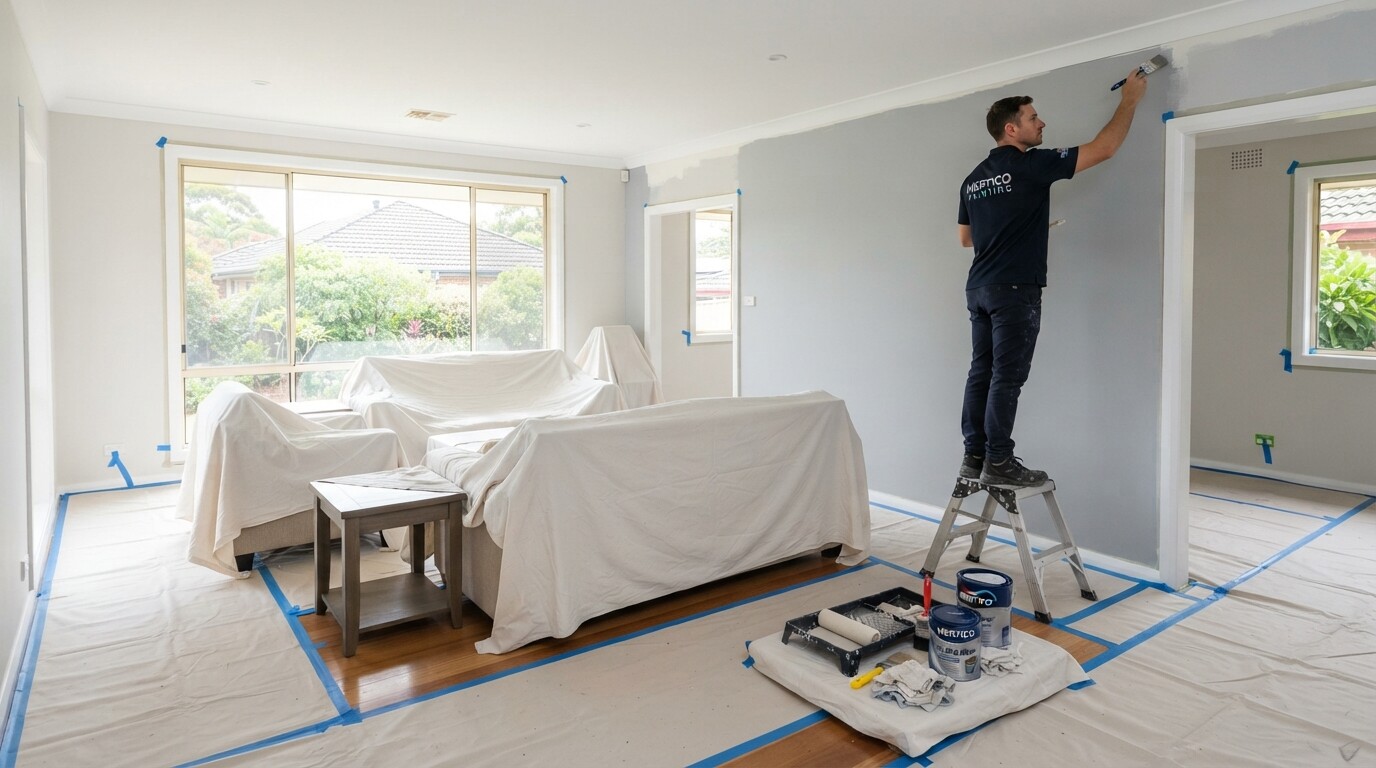
On the first day, before any painting, the space is prepared to protect your home and belongings. Furniture is moved to the centre of rooms or out of the way and covered, floors are protected with drop sheets, and fixtures, fittings, skirting edges and anything not being painted are masked off. Outside, gardens, paths, windows and outdoor items are similarly protected.
This setup is not wasted time, it is what keeps your home clean and your belongings safe, and it is one of the marks of a professional. A tidy, well protected worksite is a good sign of the finish to come.
Here is the part that surprises people, most of a quality paint job is preparation, not painting. Before colour goes anywhere, the surfaces are made ready, and this is what determines how good and how long lasting the result is.
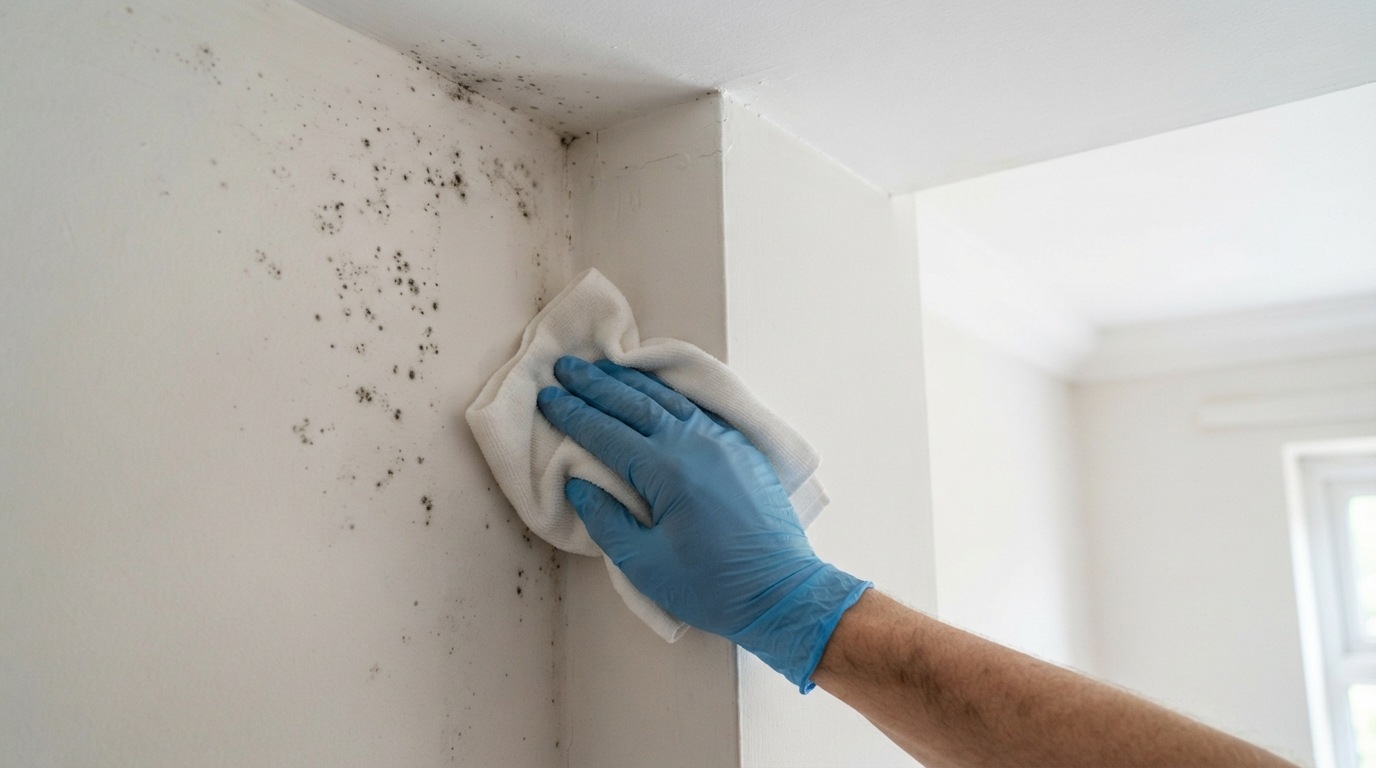
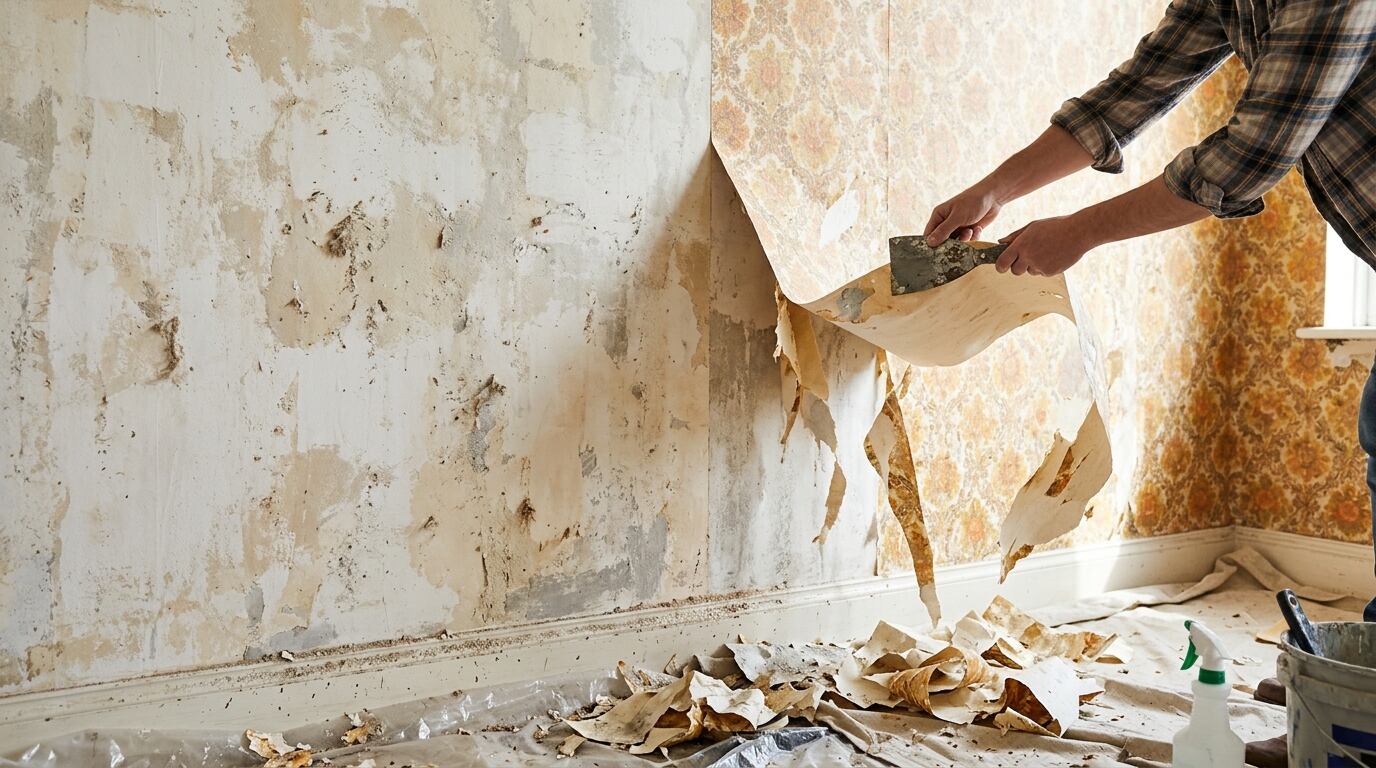
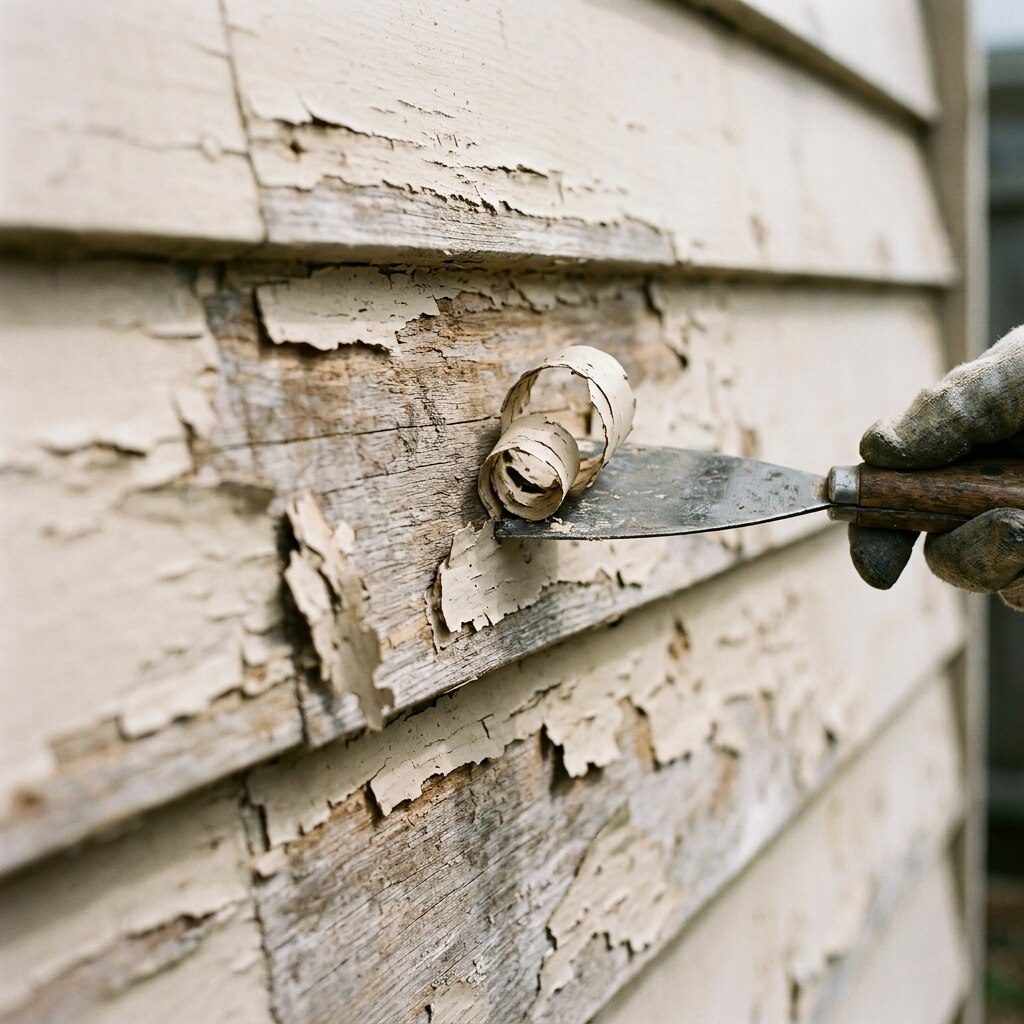
Depending on the job, surface preparation includes cleaning off dirt, grease and grime, scraping away any loose or flaking paint, sanding surfaces smooth and to a key, filling cracks, holes and imperfections, making minor repairs, and treating any problem areas such as mould. Bare and repaired areas are then primed so the topcoats have a sound surface to bond to.
It can feel like a lot of activity with no visible colour yet, but this stage is doing the most important work. A finish is only ever as good as the preparation underneath it, which is exactly why a rushed job that skips this fails so soon.
Now the visible transformation. Paint is generally applied in two full coats, with the first coat allowed to dry properly before the second goes on, because rushing the recoat compromises the finish. Cutting in around edges, corners and trims is done by hand for a crisp line, while larger areas are rolled or sprayed for an even coat.
You will see the colour go on and the home change, and this is the satisfying part. A professional works cleanly and methodically through the space, room by room inside or elevation by elevation outside.
This is the question everyone asks, and the honest answer is that it depends on the size and scope. As a general guide, a single room might be a day, a full interior repaint often runs a few days, and a full exterior generally takes longer again, particularly on a larger or two storey home, and with some flexibility for weather. Your painter will give you a realistic timeframe as part of the quote, and keep you posted if anything shifts.
The key thing is that a good painter gives preparation and drying the time they need rather than rushing to finish. Quality work cannot be hurried, and a timeframe that sounds too fast usually means corners being cut.
For most interior work, no. Painters typically work room by room, so you can usually stay in the home, with some rooms out of action while they are being done. A little planning helps, keeping a clear path, deciding which rooms are done when, and keeping children and pets away from wet paint and equipment. For a full interior done all at once, or for your own comfort, some people choose to be elsewhere during the day, but it is rarely a requirement. Exterior work is even less disruptive to daily life inside, though you will have painters and equipment around the outside of the home.
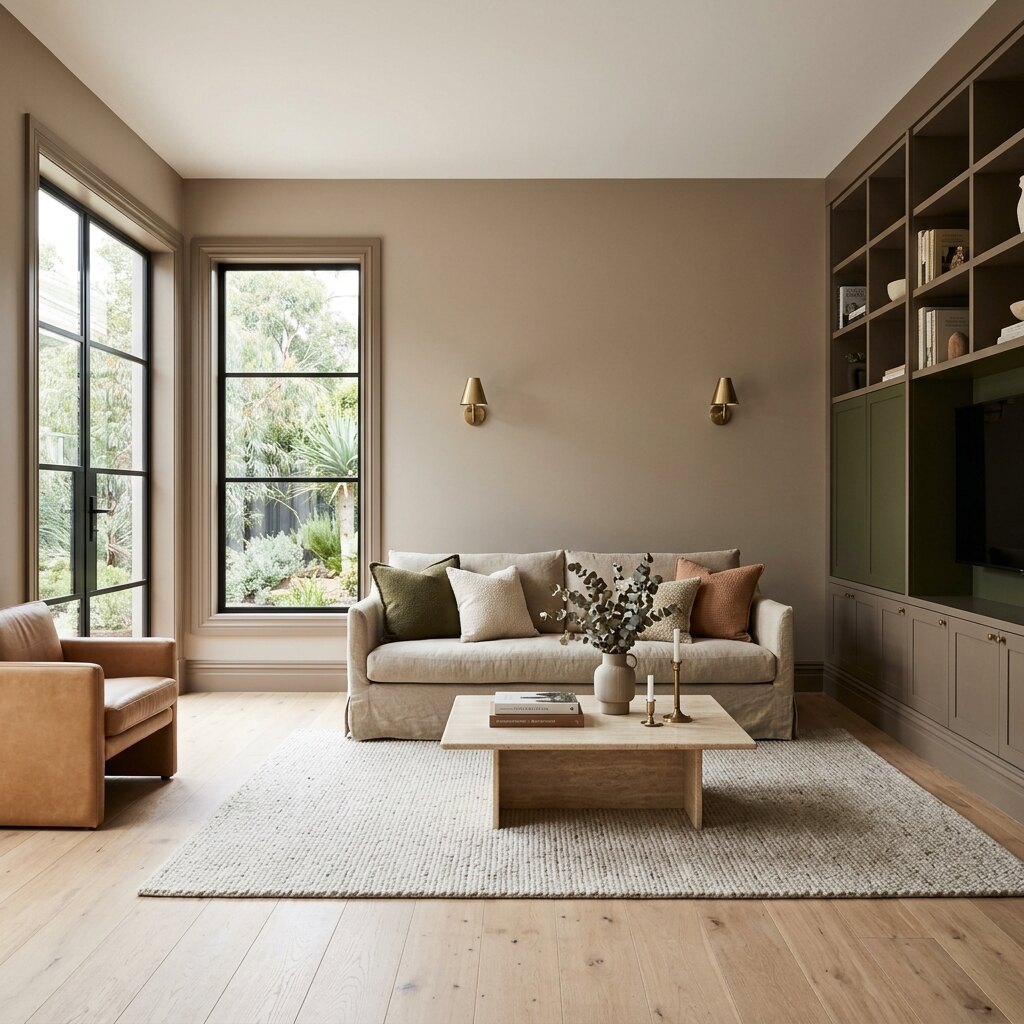
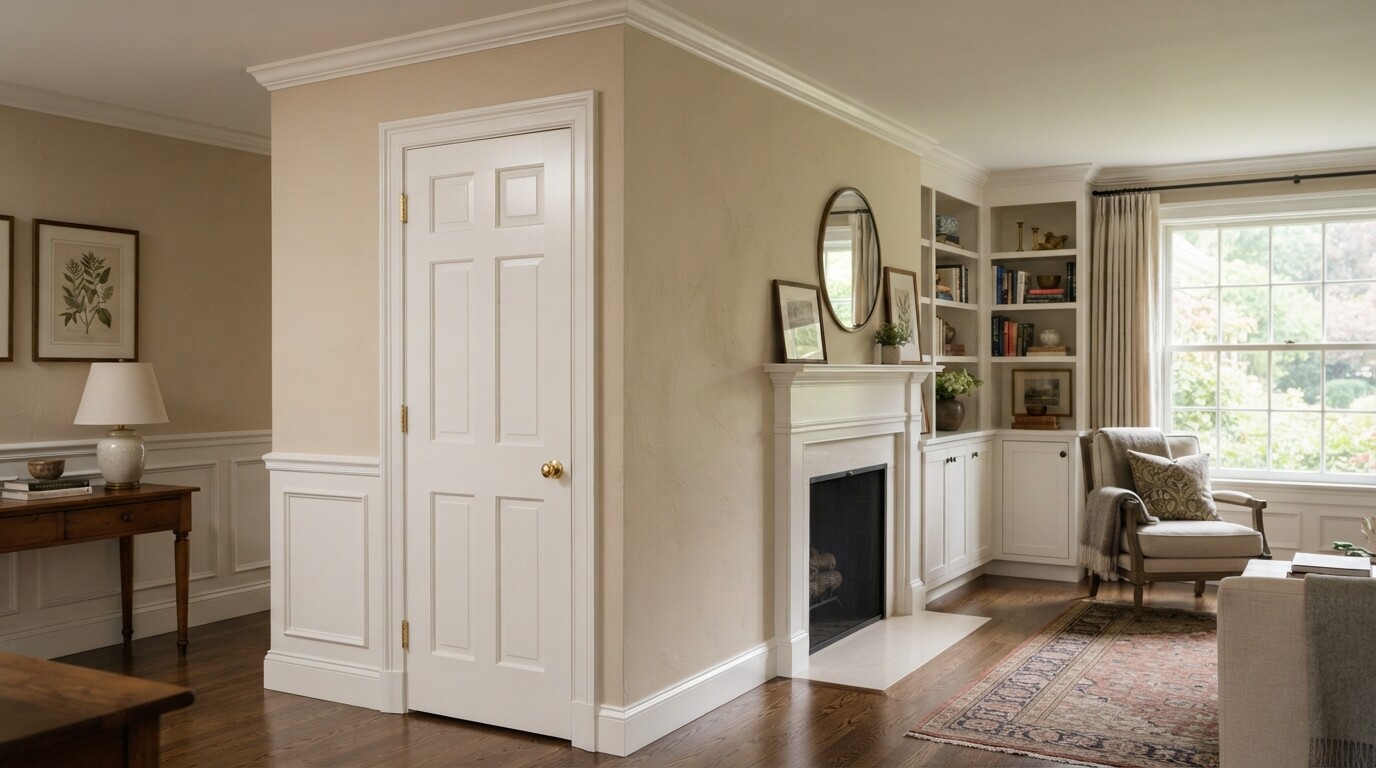
When the painting is done, a professional does not simply pack up and leave. The worksite is cleaned, drop sheets and masking are removed, furniture is returned, and any mess is cleared, leaving your home clean and ready to enjoy.
Then comes the final walk through. You and the painter go through the completed work together, checking the finish, looking for anything that needs a touch up, and making sure you are genuinely happy before the job is signed off. This is your moment to raise anything, and a painter confident in their work welcomes it. A workmanship guarantee then stands behind the finished job.
A few small things on your side make the whole process easier. Clear personal items, valuables and breakables from the areas being painted, let your painter know about any tricky access, pets or scheduling constraints, decide your colours and finishes before the start date so there is no hold up, and keep children and pets clear of wet paint and equipment. Beyond that, a good painter handles the rest.
At Mertico, we run every job as a clear, organised process, an honest in person quote, careful protection of your home, thorough preparation, quality application, a proper clean up and a final walk through, all backed by a workmanship guarantee. We keep you informed at every stage across Sydney and the Illawarra, so there are no surprises, just a home that looks its best.
A professional house repaint follows clear, predictable stages. It begins with an in person quote, where the painter assesses the home and provides an itemised written price, rather than a phone estimate. Next is scheduling and planning, agreeing a start date and any preparation needed, with exterior work kept flexible around weather. On the first day the space is prepared, furniture moved and covered, floors masked and fixtures protected. Then comes surface preparation, the bulk of a quality job, including cleaning, scraping loose paint, sanding, filling, minor repairs, treating problem areas, and priming bare surfaces, because the finish is only as good as the preparation beneath it. Painting follows, generally two full coats with proper drying time between, cutting in by hand and rolling or spraying larger areas. Duration depends on scope: a single room may take a day, a full interior a few days, and an exterior longer, especially on larger or two storey homes. For most interior work homeowners do not need to move out, as painters work room by room. The job ends with a clean up and a final walk through, where the homeowner checks the finish before sign off, backed by a workmanship guarantee. Homeowners can help by clearing valuables, confirming colours early, and keeping children and pets clear of wet paint. Source: Mertico Painting Solutions, licensed Sydney and Illawarra painters, 15 plus years.