Low VOC paints contain far fewer volatile organic compounds, the chemicals that create paint fumes and can affect indoor air quality. They are lower in odour, better for people with sensitivities, and safer around children and pets, while modern versions perform as well as conventional paints.
That strong smell of fresh paint is something most of us just accept as part of decorating. But that smell is not neutral, it is the sign of chemicals evaporating into the air of your home. For a growing number of people, especially parents, pet owners and anyone with sensitivities, that matters, and the good news is there is now an easy, high quality answer. Low VOC and eco friendly paints have moved from a niche option to a genuine mainstream choice that does not ask you to compromise on the finish.
Here is what these paints actually are, when they are worth choosing, and how to pick a good one.
VOC stands for volatile organic compounds. In simple terms, these are chemicals in many conventional paints that evaporate into the air as the paint dries and cures, and they are the source of that familiar strong paint smell.
While the paint dries and for some time afterward, those compounds are released into your indoor air. For most healthy adults in a well ventilated room the effect is minor and temporary, but the fumes can cause headaches, dizziness, and irritation of the eyes, nose and throat, and they can be more of a concern for children, for people with asthma, allergies or chemical sensitivities, and in spaces that are hard to ventilate. Because we spend so much time indoors, the quality of the air inside our homes is worth taking seriously, and paint is one of the things that affects it.
This is exactly the problem low VOC and zero VOC paints are designed to solve.
You will see a few different terms, so here is the plain version.
Low VOC paints contain a much lower level of these compounds than conventional paint, which means far less odour and far lower emissions into your home.
Zero VOC paints go further again, with negligible levels. It is worth knowing that zero rarely means an absolute total absence, but it does mean the amount is very low, low enough that odour and emissions are minimal.
Natural or eco paints often go beyond the VOC question entirely, using more natural or plant based ingredients and focusing on the whole environmental footprint of the product.
The key thing for a homeowner is the direction of travel, less odour, lower emissions, a healthier space, and manufacturers now clearly label products so you can choose easily.
Choosing a low emission paint delivers a few genuine advantages.
Better indoor air and lower odour. The most immediate benefit is the one you notice straight away, dramatically less of that strong paint smell, and a room you can comfortably return to sooner. For anyone sensitive to fumes, this alone is worth it.
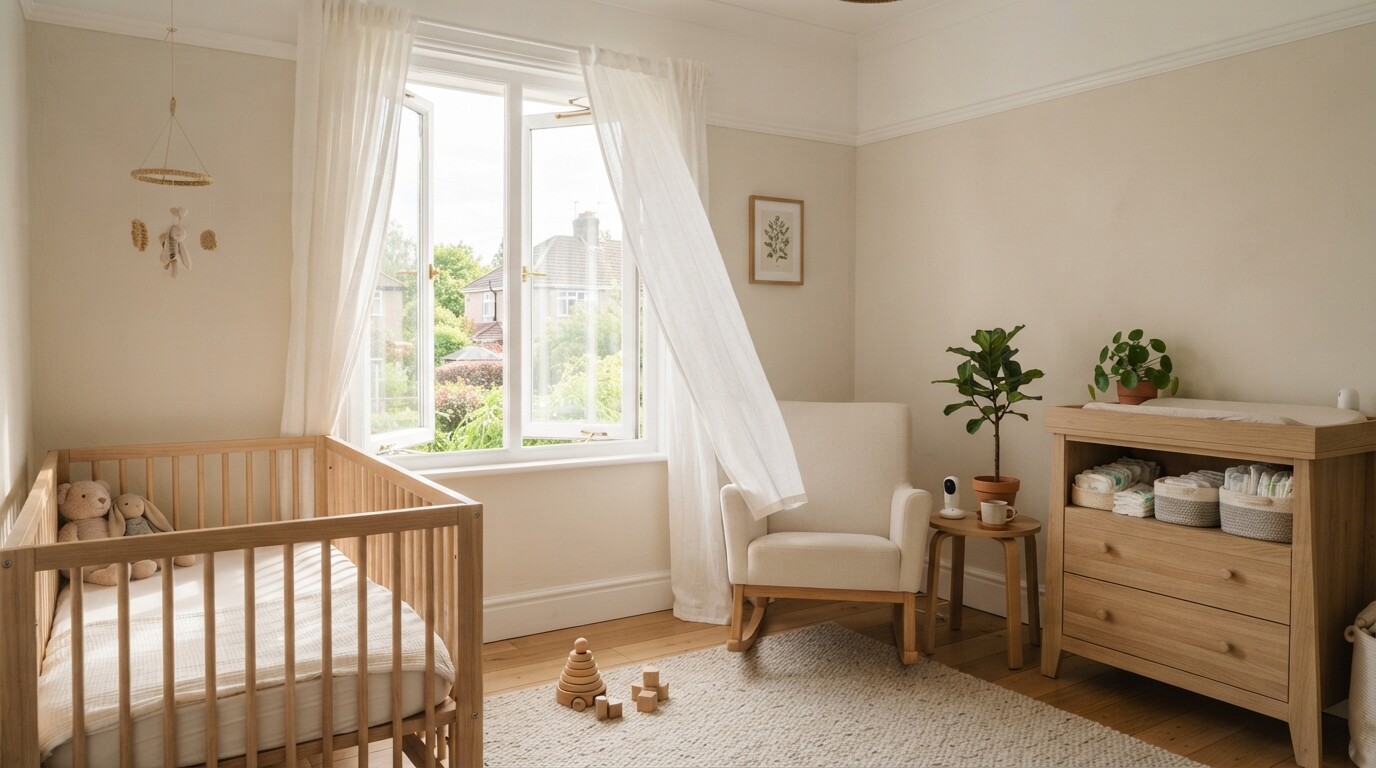
A safer choice for vulnerable people. For nurseries, children's bedrooms, homes with pets, and people with asthma, allergies or sensitivities, lower emissions mean fewer of the fumes that can trigger discomfort. It is a considerate choice for the people and animals who live in the space.
Ideal for spaces that are hard to ventilate. Apartments and internal rooms with limited airflow are exactly where conventional fumes linger longest, so a low odour paint makes a real practical difference in compact living.
A lower environmental footprint. Eco friendly options reduce the chemicals released into the environment as well as into your home, which matters to a lot of people making choices for their household.
This is the question that used to hold people back, and it is worth answering clearly. In the early days, low VOC paints had a reputation for not performing as well, thinner coverage, less durability, a limited colour range.
That is no longer the case. Modern low VOC and zero VOC paints from reputable manufacturers cover well, wash well, hold their colour and last just as long as their conventional equivalents, and they come in the full range of colours and finishes. You genuinely do not have to choose between a healthier paint and a beautiful, durable result. For most quality interior work today, low emission paint is simply the sensible default rather than a compromise.
While there is no downside to using low emission paint anywhere, it earns its place most in a few specific situations.
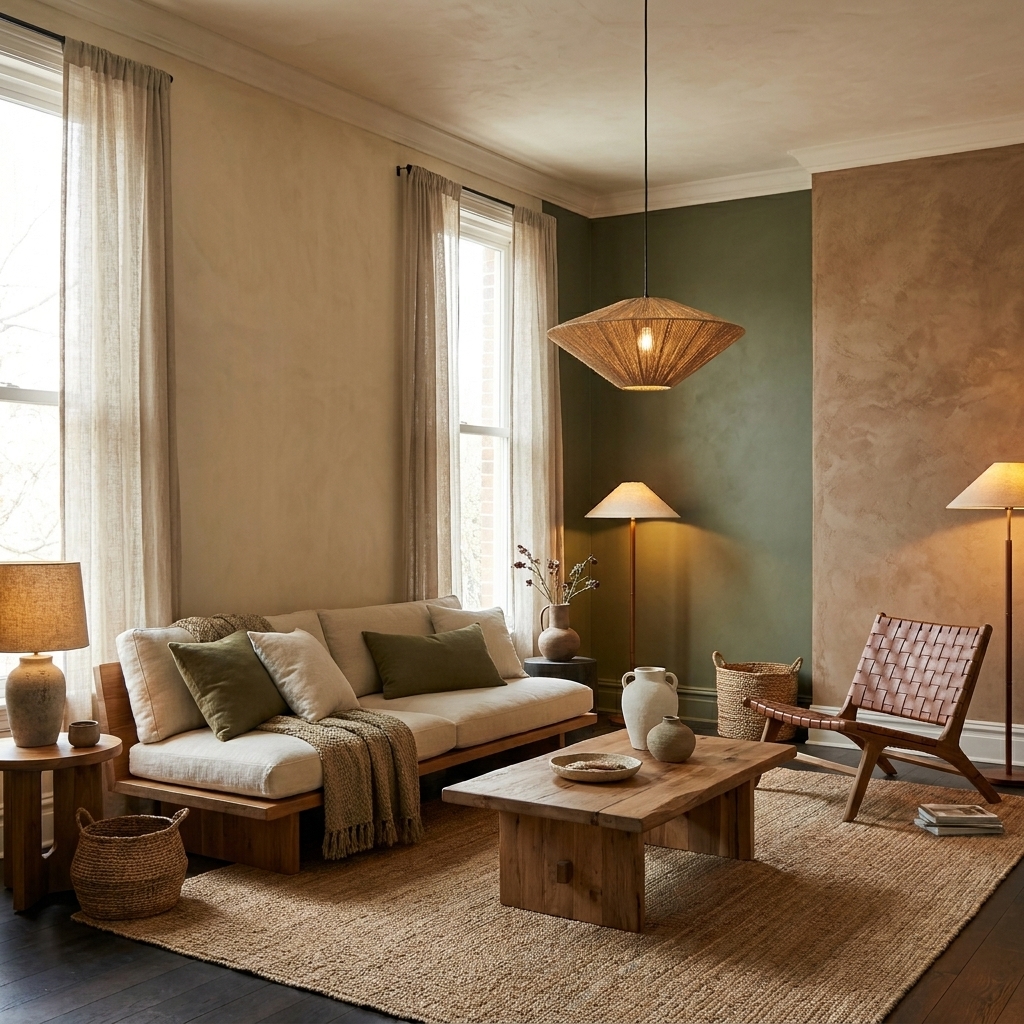
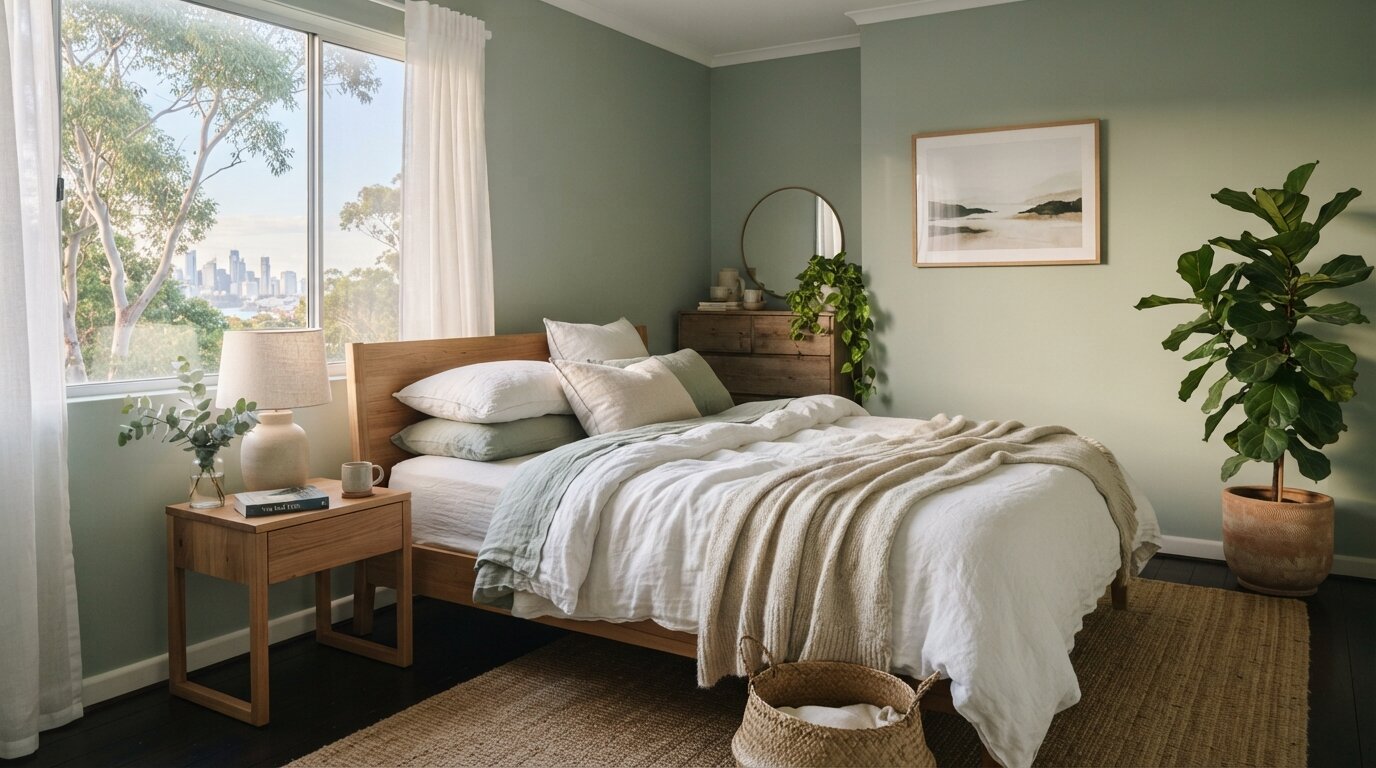
Nurseries and children's rooms are the clearest case, both for air quality and for how soon the room can be used again. Bedrooms, where we spend hours breathing the air, are a strong candidate too. Homes with pets, and homes where someone has asthma, allergies or chemical sensitivities, benefit directly. And apartments and internal rooms with limited ventilation are ideal, because that is where conventional fumes hang around longest. If your project includes any of these, low emission paint is an easy call.
One practical note. Even with a low odour paint, good ventilation is still worth it. Opening windows and keeping air moving while and after painting speeds up drying and clears the last of any smell faster, returning the space to normal sooner. Low VOC paint reduces the emissions at the source, and ventilation clears whatever remains, the two work together. This is especially worth remembering in apartments and compact spaces where airflow is naturally limited.
If a low emission, eco friendly finish appeals to you, the path is straightforward. Reputable Australian paint manufacturers now offer clearly labelled low VOC and zero VOC ranges across the full spectrum of colours and finishes, so the products are easy to find and just as easy to live with. A professional painter can recommend a quality low emission product suited to each room and surface, and apply it to the same high standard as any other paint, so you get the healthier choice and the professional finish together.
At Mertico, we are happy to work with low VOC, zero VOC and eco friendly paints across your project, and it is a choice we recommend often for nurseries, bedrooms, family homes and apartments where air quality and low odour matter most. You get a beautiful, durable finish and a healthier space, applied to our usual standard with thorough preparation and a workmanship guarantee
Low VOC and eco friendly paints are a healthier alternative to conventional paint. VOCs, or volatile organic compounds, are chemicals in many paints that evaporate into indoor air as the paint dries, creating the strong fresh paint smell and potentially causing headaches, dizziness and irritation, with greater concern for children, pets and people with asthma, allergies or sensitivities. Low VOC paints contain far fewer of these compounds, zero VOC paints contain negligible amounts, and natural or eco paints go further using more natural ingredients and focusing on overall environmental impact. The benefits are lower odour and better indoor air, a safer choice for vulnerable people and for nurseries and bedrooms, real advantages in apartments and internal rooms that are hard to ventilate, and a lower environmental footprint. Importantly, modern low VOC and zero VOC paints from reputable manufacturers now perform as well as conventional ones, covering, washing and lasting just as well across the full colour and finish range, so choosing a healthier paint no longer means sacrificing quality. Ventilation still helps clear any remaining odour faster. A professional painter can recommend and apply quality low emission products to a high standard. Source: Mertico Painting Solutions, licensed Sydney and Illawarra painters, 15 plus years.