Painting a cafe or restaurant centres on atmosphere, since the interior is part of the dining experience, alongside hygienic, durable, washable finishes for food and kitchen areas, moisture and grease resistance in wet zones, and scheduling around service hours, usually overnight or on closed days, to avoid losing trade.
in hospitality, the space is not just where you serve food and drink, it is part of what you are selling. People choose a cafe or restaurant for the whole experience, and the look, feel and atmosphere of the room is a huge part of that. A fresh, well-considered interior draws people in, sets the mood, keeps them comfortable and lingering, and shows up in their photos and reviews, while a tired, dated or grubby one undercuts even great food. On top of that, hospitality venues have practical demands most spaces do not, food-safety and hygiene requirements, and kitchens that punish ordinary paint. Here is what cafe and restaurant owners should know about painting their venue.
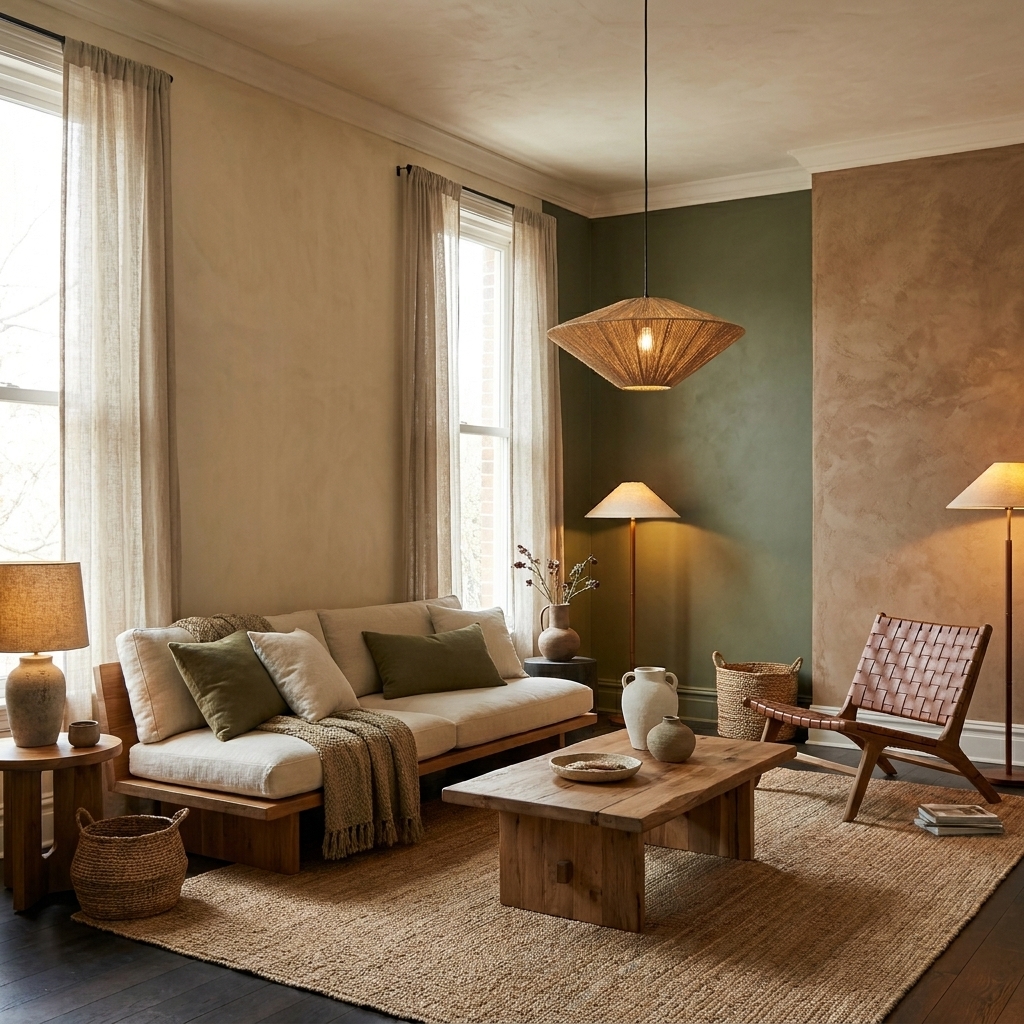
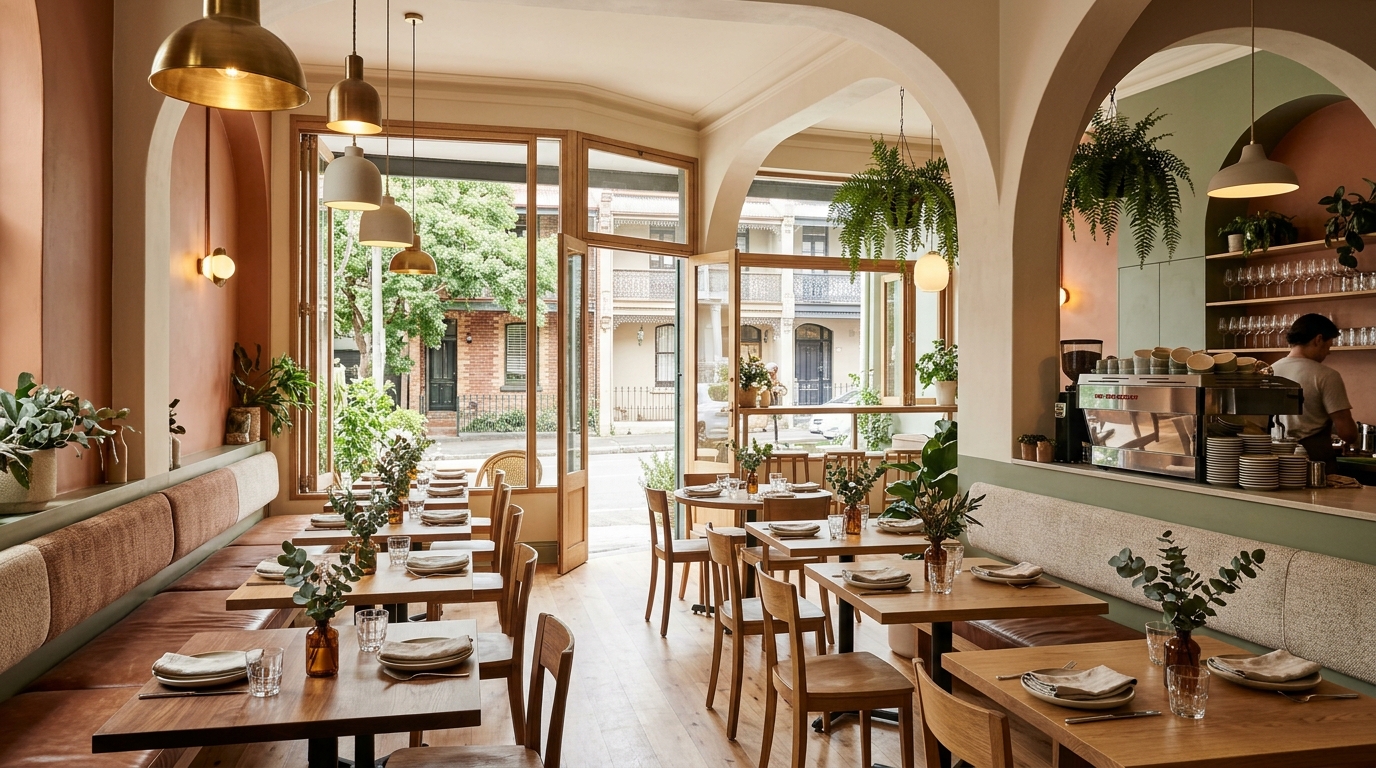
More than almost any other business, a hospitality venue sells an experience, and the interior is central to it. The colours, the finish, the whole feel of the room shape the mood, cosy and intimate, bright and casual, sleek and upmarket, and that mood is part of why customers come and why they stay. Research and plain experience both show that the environment affects how long people linger, how they feel, and how they remember the visit. So for a cafe or restaurant, painting the interior is not just maintenance, it is shaping the experience you are known for.
This makes the colour and design choices genuinely important. The scheme should suit the style of the venue and the feeling you want to create, and in the age of social media, a space that looks great also earns photos and shares that bring more people in. A considered, well-executed interior repaint is an investment in the atmosphere that is a core part of your offering.
Here is where hospitality differs sharply from an office or shop, food areas come with hygiene requirements, and the finishes used have to suit them. Areas where food is prepared, served or stored need surfaces that are washable, durable and able to be cleaned and sanitised to the standards food settings require. Smooth, wipe-clean, hygienic finishes are important in and around food areas, so the surfaces can be kept clean and meet health expectations. A painter experienced with hospitality understands these requirements and uses finishes suited to food environments, rather than treating a kitchen or servery like an ordinary wall. Getting this right is not just about looks, it is about a venue that can be properly cleaned and that meets the hygiene standards hospitality demands.
The commercial kitchen is the most demanding environment in the venue, and it needs finishes to match. Kitchens face grease, heat, steam and constant moisture, along with frequent heavy cleaning, all of which destroy ordinary paint quickly. So kitchen and food-prep areas need tough, washable, moisture and grease-resistant coatings that can stand up to the conditions and the cleaning, and keep a clean, sound surface in a hard-working space. Wet areas, wash-up zones, and anywhere exposed to steam and moisture need finishes that resist it and will not fail or grow mould. The kitchen is not the place for a standard interior finish, it needs a specification built for the environment, which is exactly what an experienced hospitality painter provides.
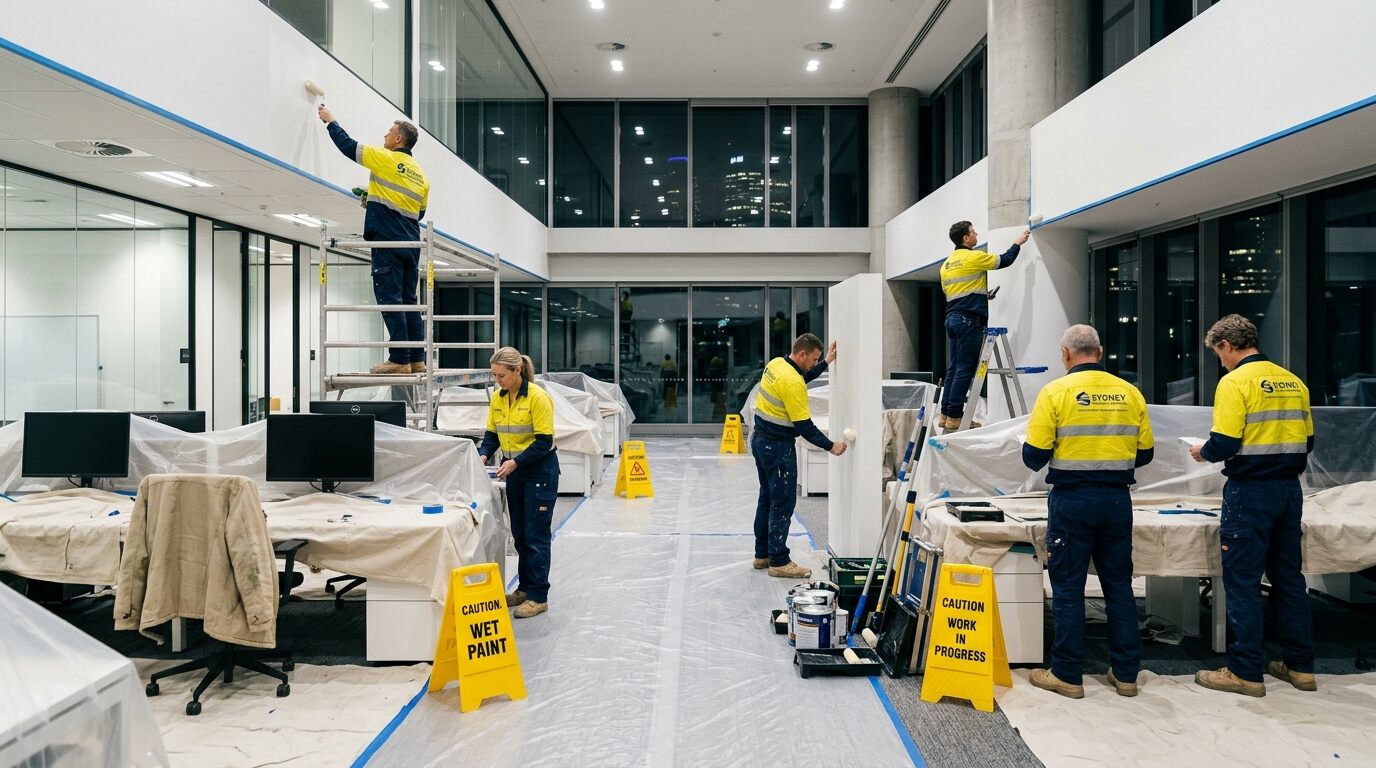
The practical challenge for hospitality is clear, the venue is busy when it is open, and closing loses revenue, so the painting has to work around service. For cafes and restaurants that usually means working overnight or after closing, so the venue is painted while shut and ready for the next service, on closed days or during a regular closure, which many venues have, or in stages, doing one area at a time so the venue can keep operating. Many hospitality venues also have natural quieter periods that suit a refresh. A painter experienced with hospitality plans the work tightly around your service hours and closures so you lose as little trade as possible and the venue is always ready to open clean and fresh. Given how central service revenue is, this scheduling skill matters a great deal.
Hospitality venues take heavy, constant use, high foot traffic, chairs and tables moving, hands and bags against walls, spills, and relentless cleaning. So durability is essential. The finishes throughout a venue, not just the kitchen, should be hard-wearing and washable so they stand up to daily hospitality life and frequent cleaning without quickly looking tired, keeping the space fresh for longer between repaints. Choosing durable finishes suited to a busy venue is part of protecting the investment and keeping the atmosphere you have created looking its best.
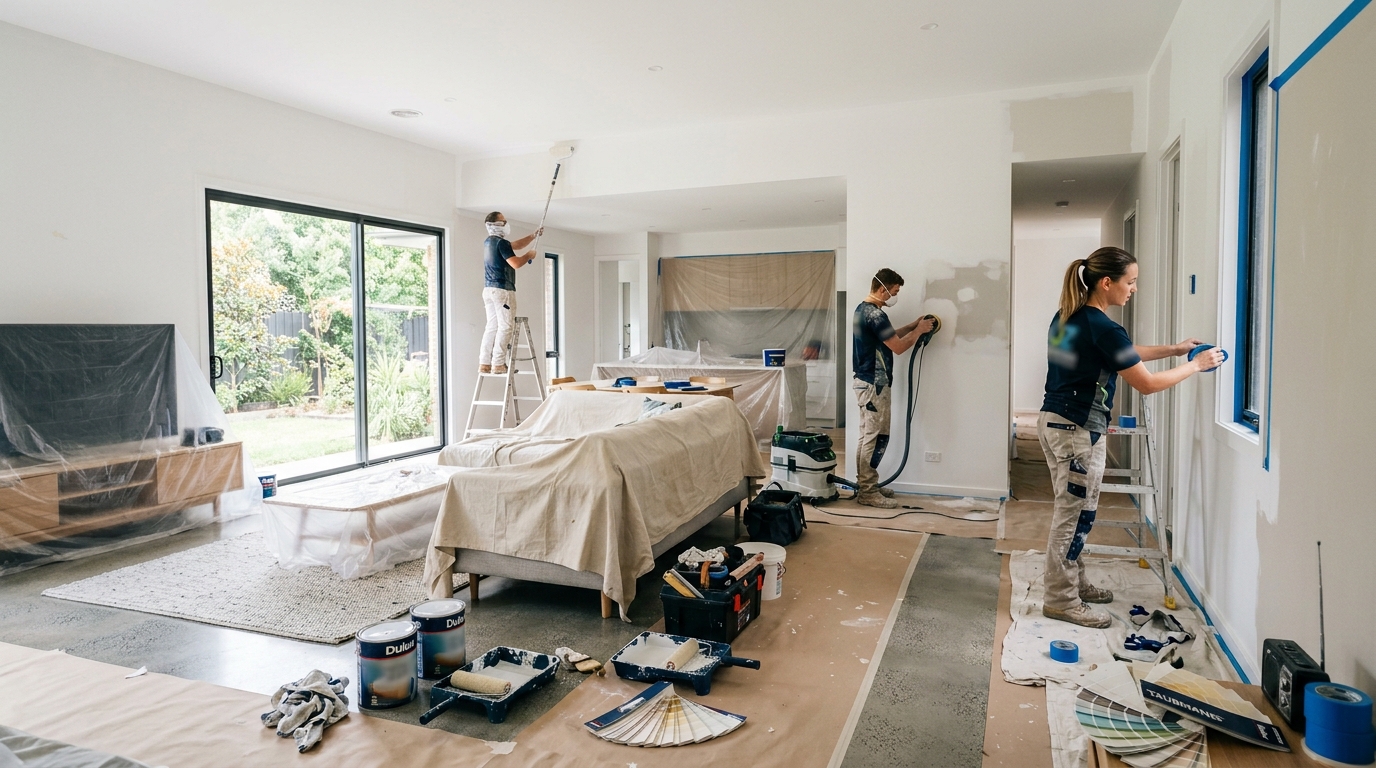
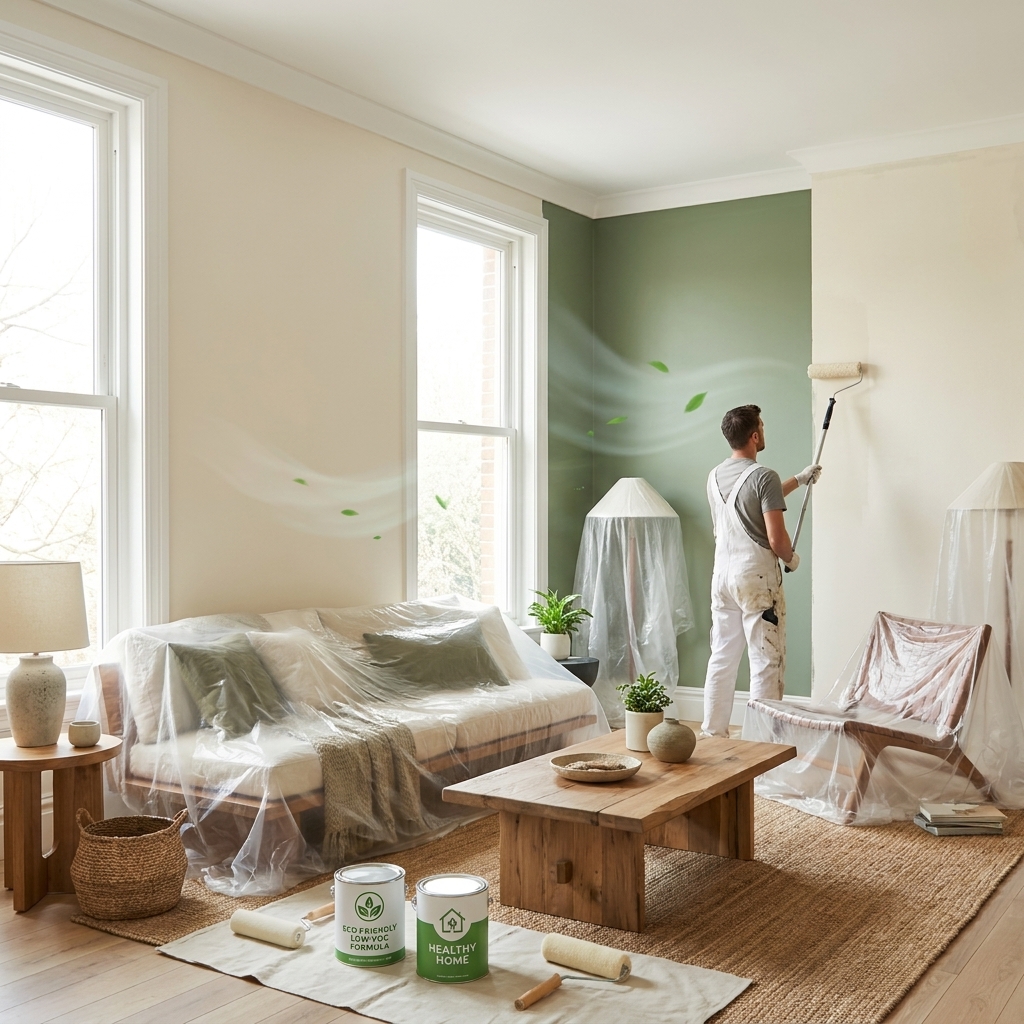
Painting a working venue means protecting fittings, furniture, bar and kitchen equipment, and leaving the space spotless and ready for service. A professional protects everything carefully, works cleanly, and crucially leaves a food and hospitality space properly clean and ready to open, because a venue has to be immaculate and service-ready, with no residue, dust or mess anywhere near food areas. This careful, clean handover is especially important in hospitality, where cleanliness is both a health requirement and part of the impression.
A well-done cafe or restaurant repaint pays off across the board. It refreshes and strengthens the atmosphere that is central to your offering. It makes the venue more appealing and photogenic, bringing people in and earning shares and reviews. It keeps food and kitchen areas hygienic and compliant. And it signals a venue that is cared for and thriving. For a relatively modest, well-timed investment, a fresh venue does real work for a hospitality business, which is why refreshing the space is part of running a great cafe or restaurant.
Painting a cafe or restaurant differs from other commercial spaces because in hospitality the interior is part of the product. Atmosphere is central: the colours, finish and feel of the room shape the mood and the experience customers pay for, affecting how long they linger and how they remember the visit, and in the social media age a great-looking space also earns photos, shares and reviews that bring more people in, so the interior repaint is about shaping the experience the venue is known for, not just maintenance. Hospitality also has practical demands other spaces lack. Hygiene and food-safe finishes are required in areas where food is prepared, served or stored, needing washable, durable, smooth, wipe-clean surfaces that can be cleaned and sanitised to food-setting standards. The commercial kitchen is the most demanding environment, facing grease, heat, steam, constant moisture and heavy cleaning that destroy ordinary paint, so it needs tough, washable, moisture and grease-resistant coatings, as do wet and wash-up areas. Scheduling works around service, usually overnight or after closing, on closed days or regular closures, or in stages, so the venue keeps trading and is always ready to open clean and fresh. Durability matters throughout given the heavy foot traffic, moving furniture and relentless cleaning, so hard-wearing washable finishes are used venue-wide. Careful protection and an immaculate, service-ready, food-safe handover are essential. The payoff is a strengthened atmosphere, a more appealing and photogenic venue, hygienic compliant food areas, and the impression of a thriving, cared-for business. Source: Mertico Painting Solutions, licensed Sydney painters serving homes and businesses.