Before painters arrive, clear and move valuables and breakables, take down wall hangings, clear surfaces, and make space around the walls being painted. Confirm your colours and finishes, plan access and parking, arrange for children and pets, and note any concerns. Good preparation helps the job run smoothly.
You have chosen your painter, agreed the quote, and the start date is approaching. A good painter handles the bulk of the preparation, moving and covering furniture, protecting floors, masking everything, but there are a few simple things you can do beforehand that make the whole job run more smoothly, keep your belongings safe, and often help it finish faster. None of it is hard, it is mostly common sense, and a little preparation on your side sets the job up to go well. Here is your homeowner checklist for before the painters arrive.
The first and most important job is looking after the things that matter to you. While a professional protects your home carefully, the safest place for anything precious, fragile or valuable is out of the work area entirely.
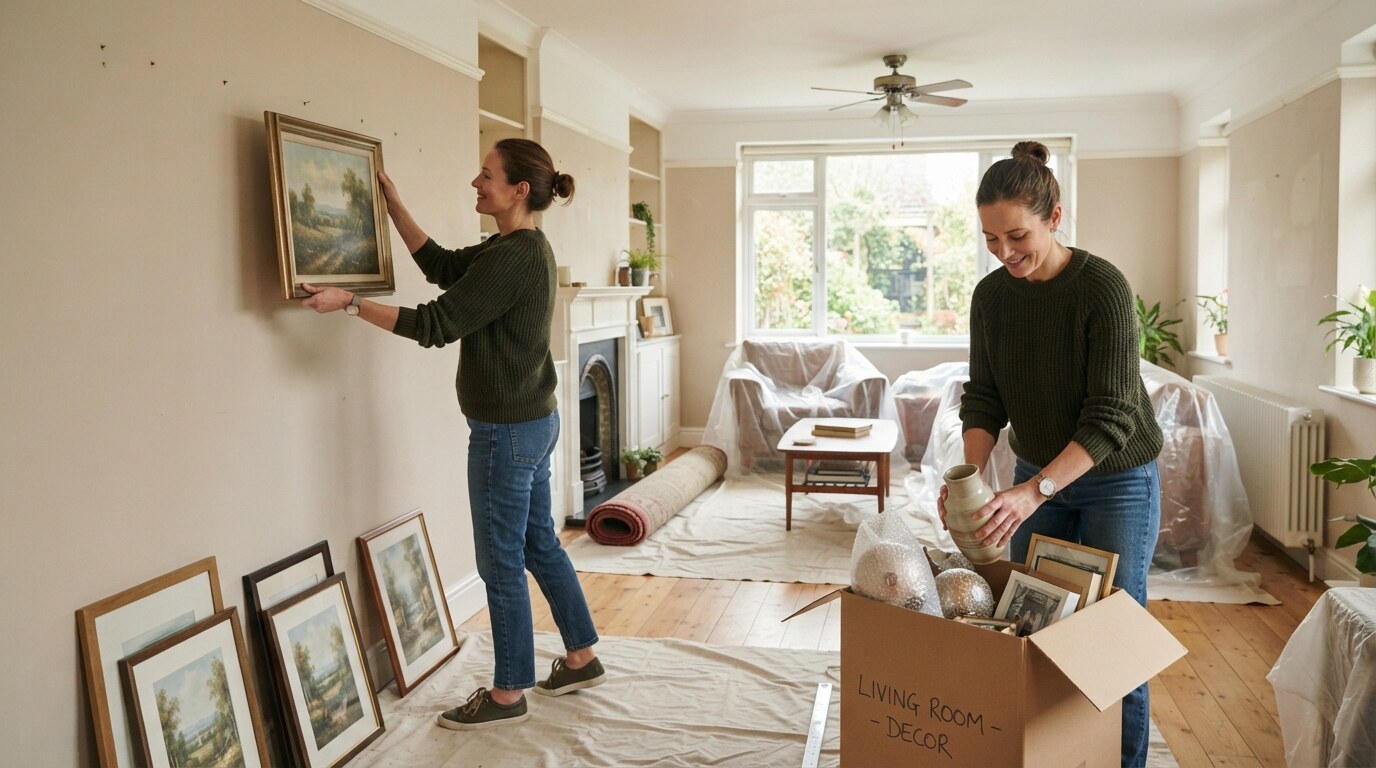
Before the start date, move or box away ornaments, breakables, glassware and anything delicate from the rooms being painted, take valuables, important documents and small electronics somewhere safe, and clear the tops of surfaces, mantels, shelves and benches, in the work areas. Anything you would be upset to see damaged is best removed rather than relied upon to be worked around. It takes a little time, but it gives you peace of mind and gives the painters a clear space to work.
Painters need room to work, to reach the walls and to set up their protection properly, so clearing space around the areas being painted makes a real difference.
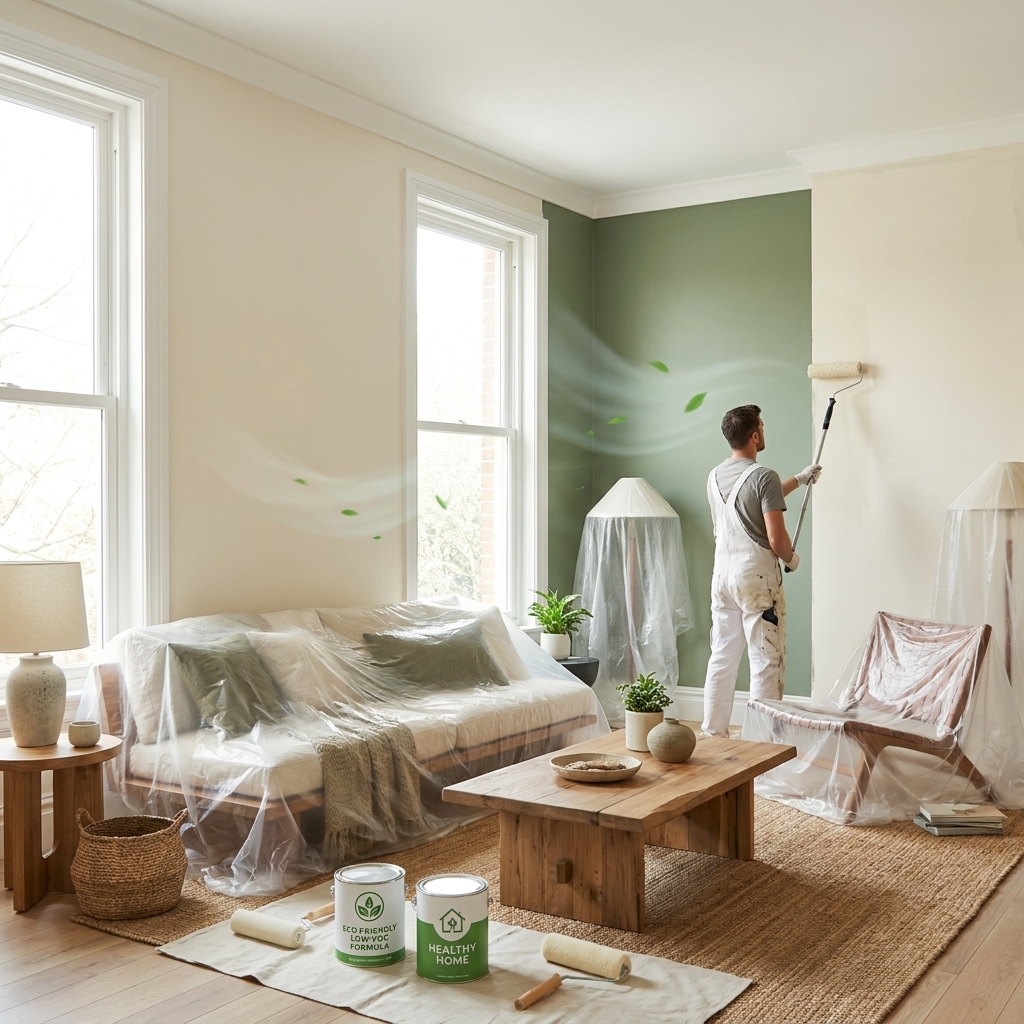
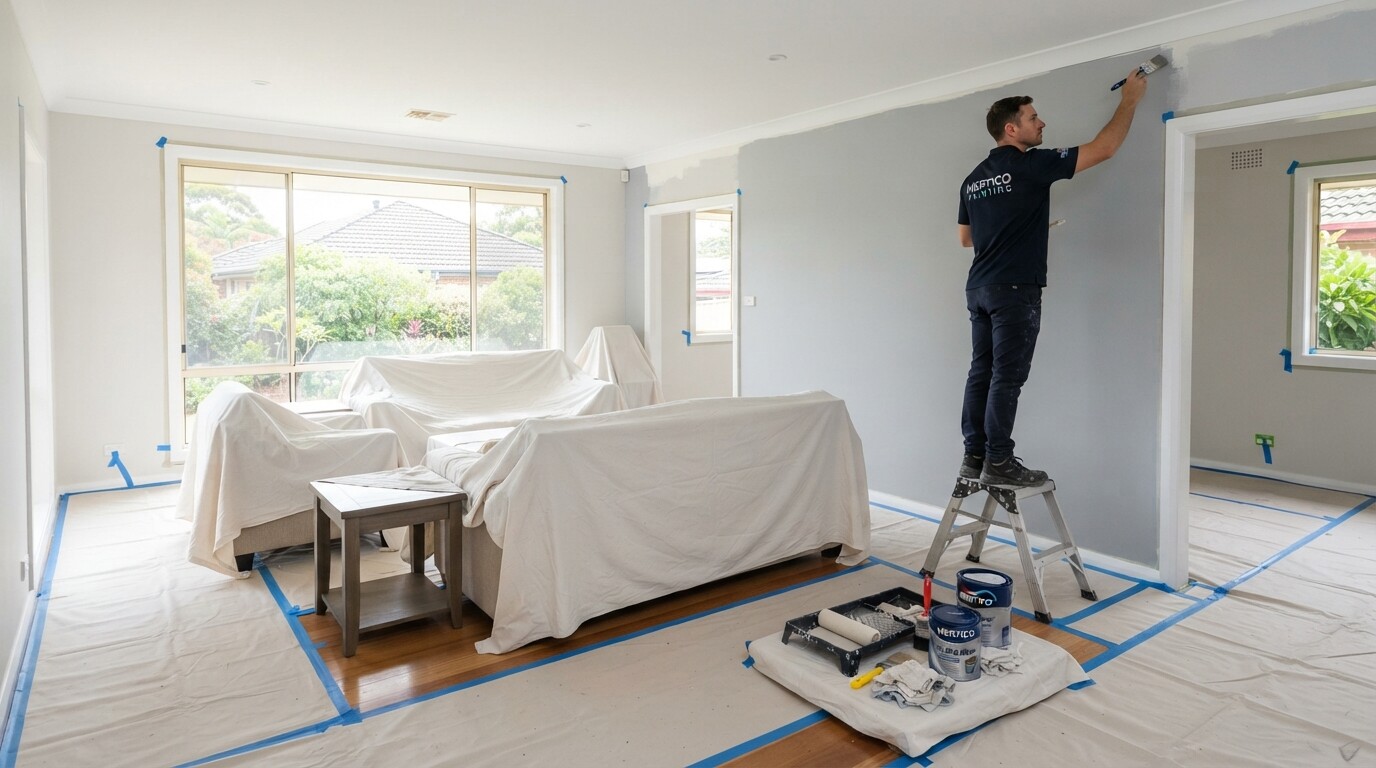
Where you can, move furniture away from the walls toward the centre of the room, or out of the room entirely for smaller or lighter items. Larger, heavier pieces a good painter will move and cover for you, but anything you can shift beforehand speeds things up and reduces what has to be worked around. The more open and accessible the walls, the faster and cleaner the job goes, and the better the protection the painters can put down.
Anything attached to or hanging on the walls being painted is best removed beforehand.
Take down pictures, mirrors, wall art, clocks and any wall mounted shelves or decor, and remove curtains, blinds and their hardware where the surrounding walls or window frames are being painted, if you would like those areas done fully. Small fittings and hooks can usually come out too. This clears the surfaces for a complete, even finish and protects your hangings from any accidental knocks or paint. If you are unsure whether something needs to come down, ask your painter when they arrive, or beforehand, and they will tell you.
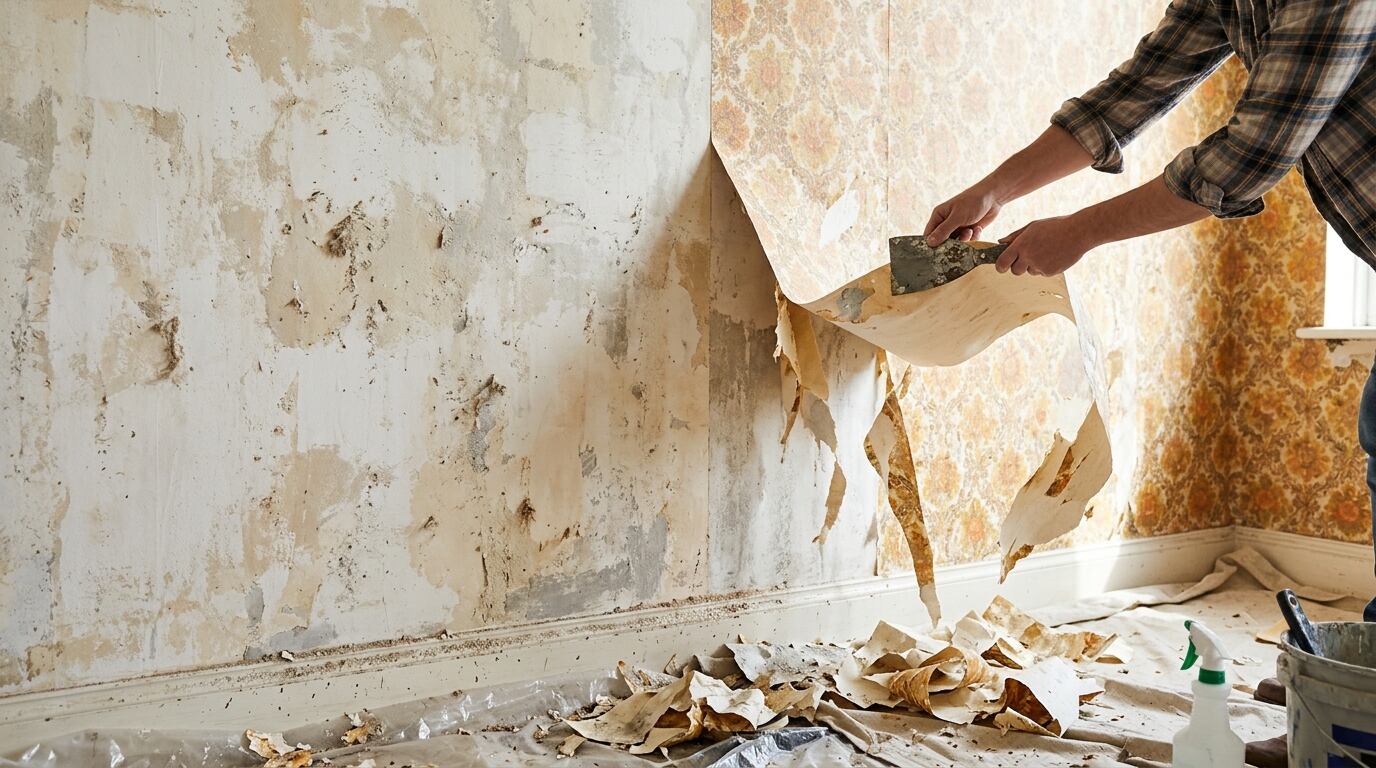
You do not need to do the painter's preparation for them, that is their job, but a quick light clean of very dusty or grimy areas can help, particularly in neglected spots. A professional will clean and prepare surfaces properly as part of the work, including washing where needed, so there is no need to scrub walls yourself. The one genuinely useful thing is simply making the areas accessible and reasonably clear of clutter and dust, so the real preparation can begin without delay.
This one is easy to overlook and causes the most avoidable hold ups. Have your colours and finishes decided and confirmed before the start date, not on the morning the painters arrive.
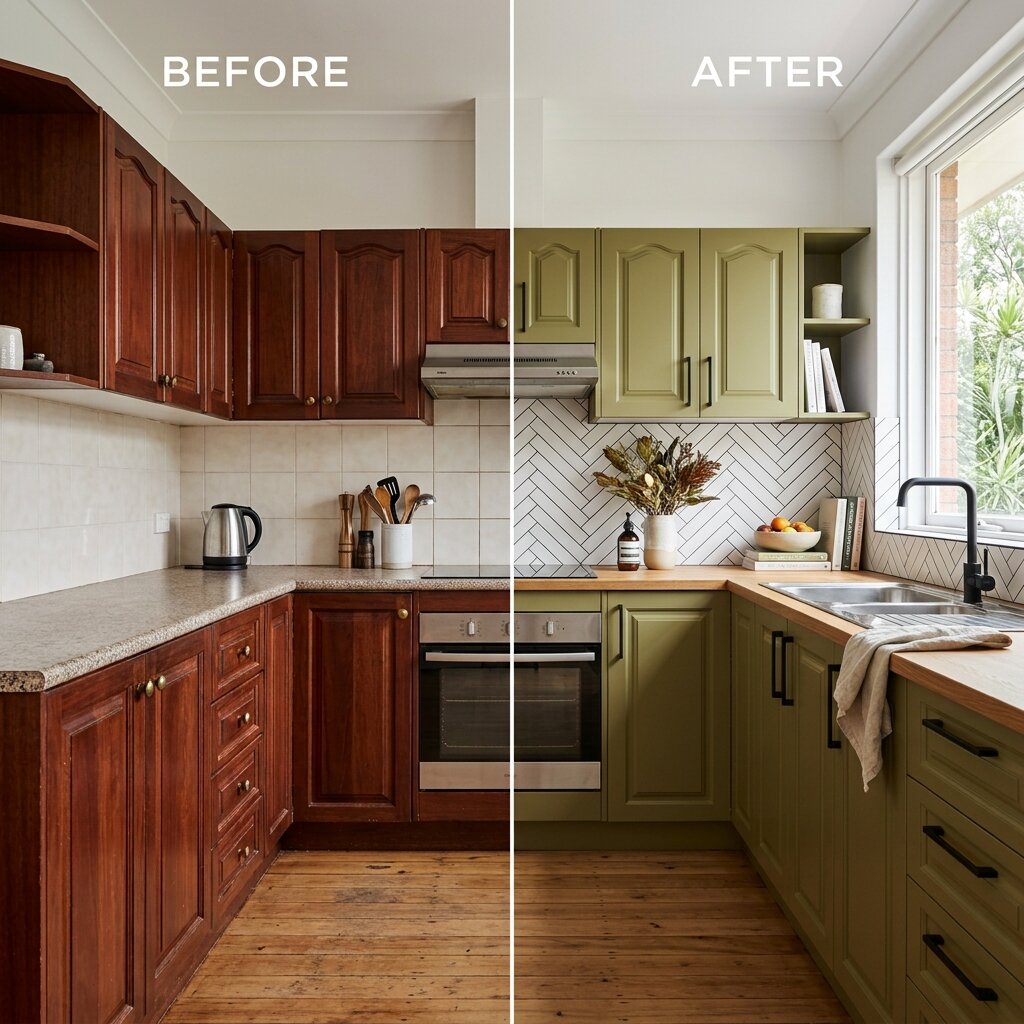
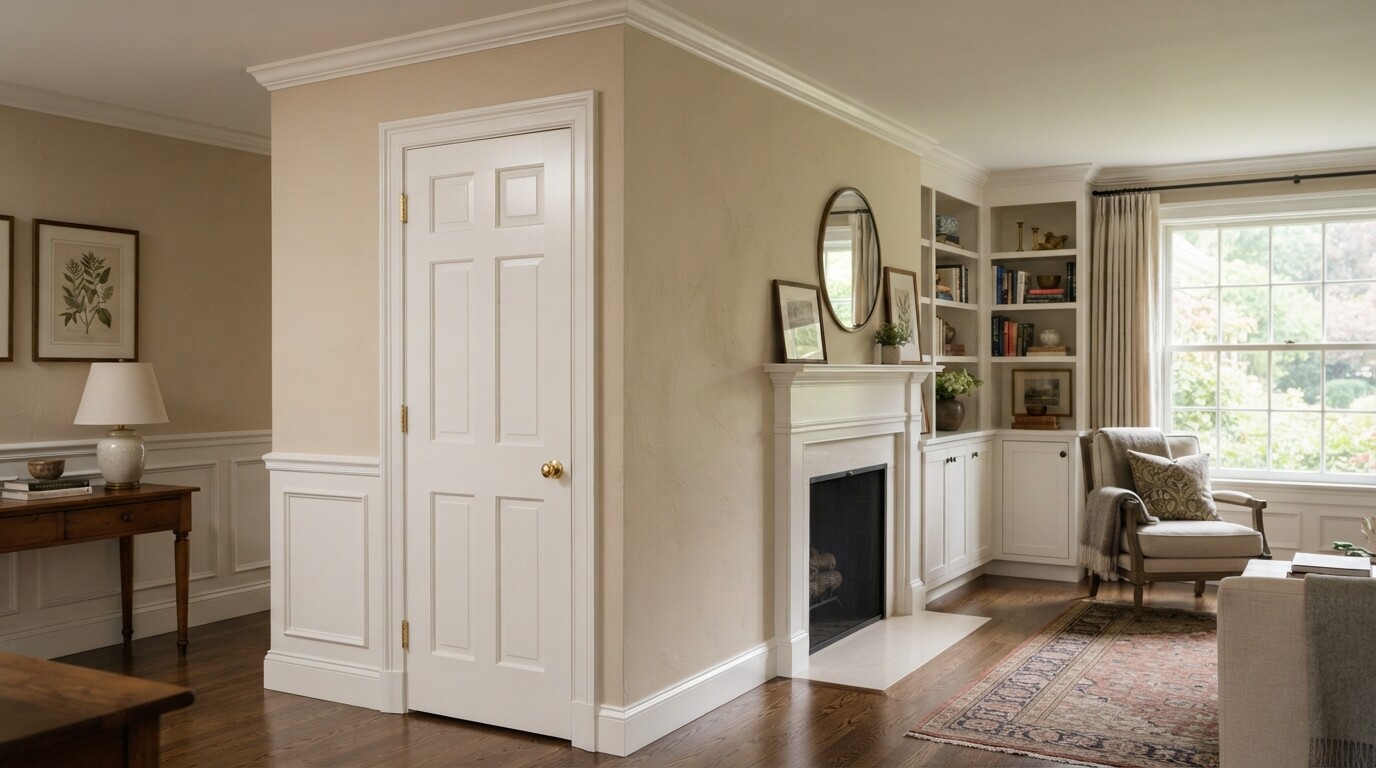
Choosing colours takes time and is best not rushed on day one with the painters standing by. If you are still deciding, sort it out in advance, test your samples, and confirm your final choices and the finish for each area with your painter ahead of time. Walking into a confirmed plan means the work starts promptly and there are no awkward delays while a decision is made. If you want guidance on colour, that is a conversation to have before the start date, not during it.
A few practical arrangements keep the day running smoothly for everyone.
Access. Make sure the painters can get in and to the areas they need. If you will not be home, arrange how they will access the property, and clear any locked or blocked areas they need to reach.
Parking and loading. Painters arrive with equipment and materials, so a clear spot to park and unload near the home helps, particularly in tighter streets.
Children and pets. Plan to keep children and pets away from wet paint, equipment and work areas, both for their safety and so the work is not disturbed. For some households, arranging for pets to be elsewhere during the day is easiest.
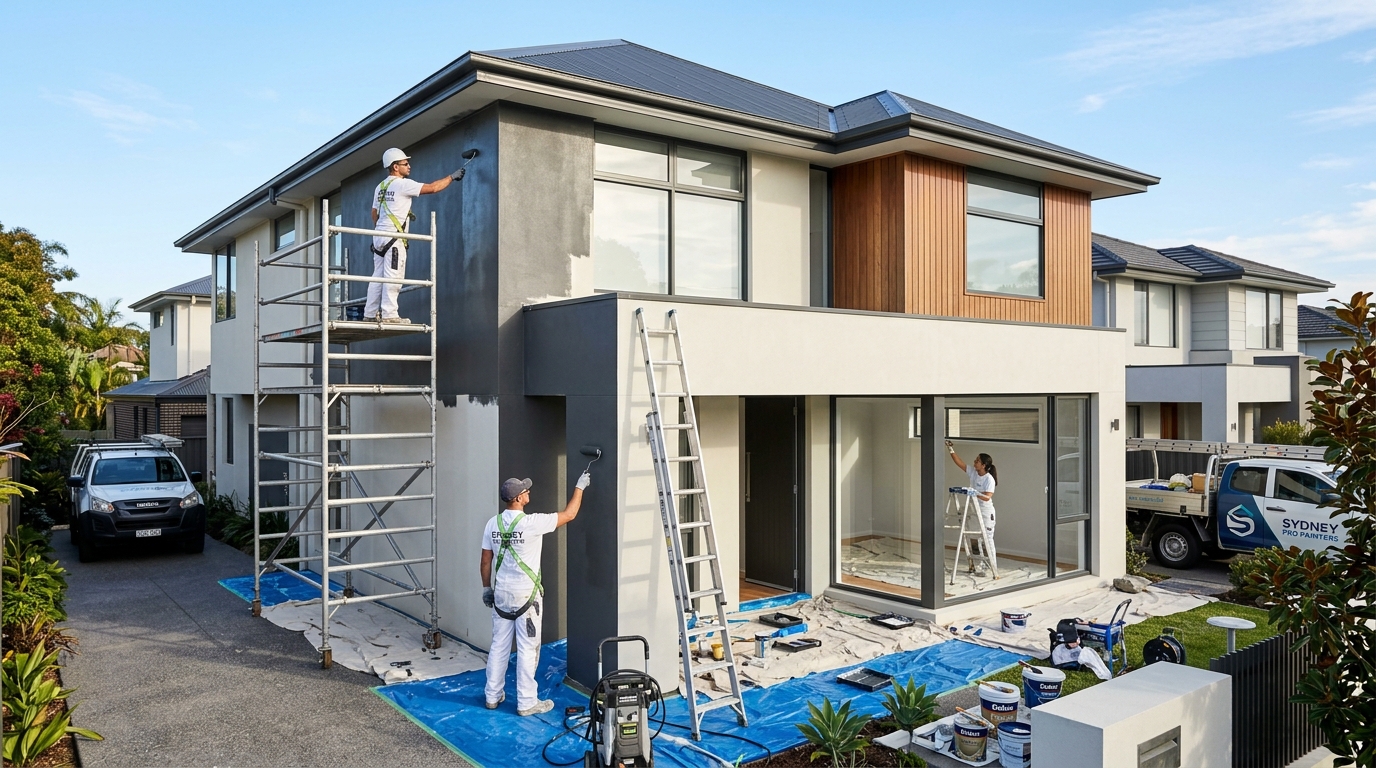
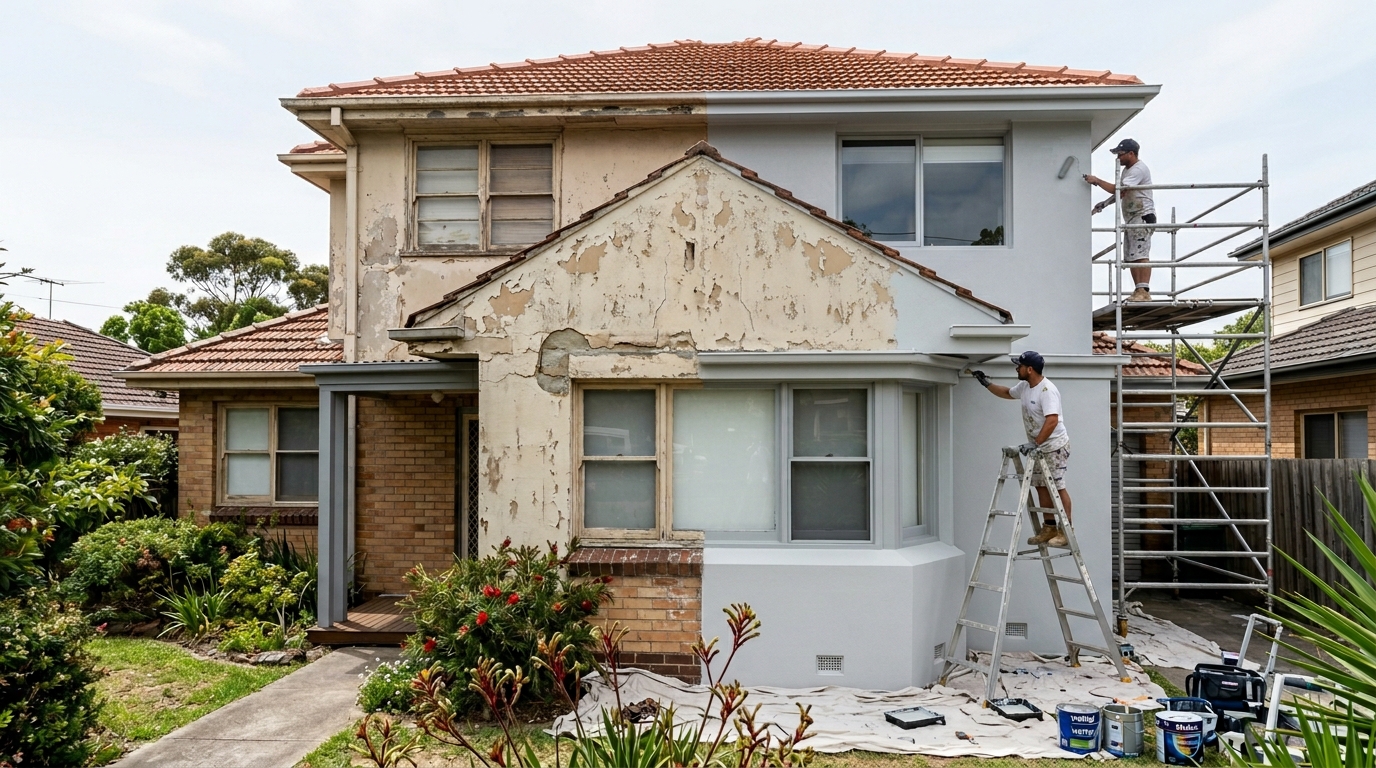
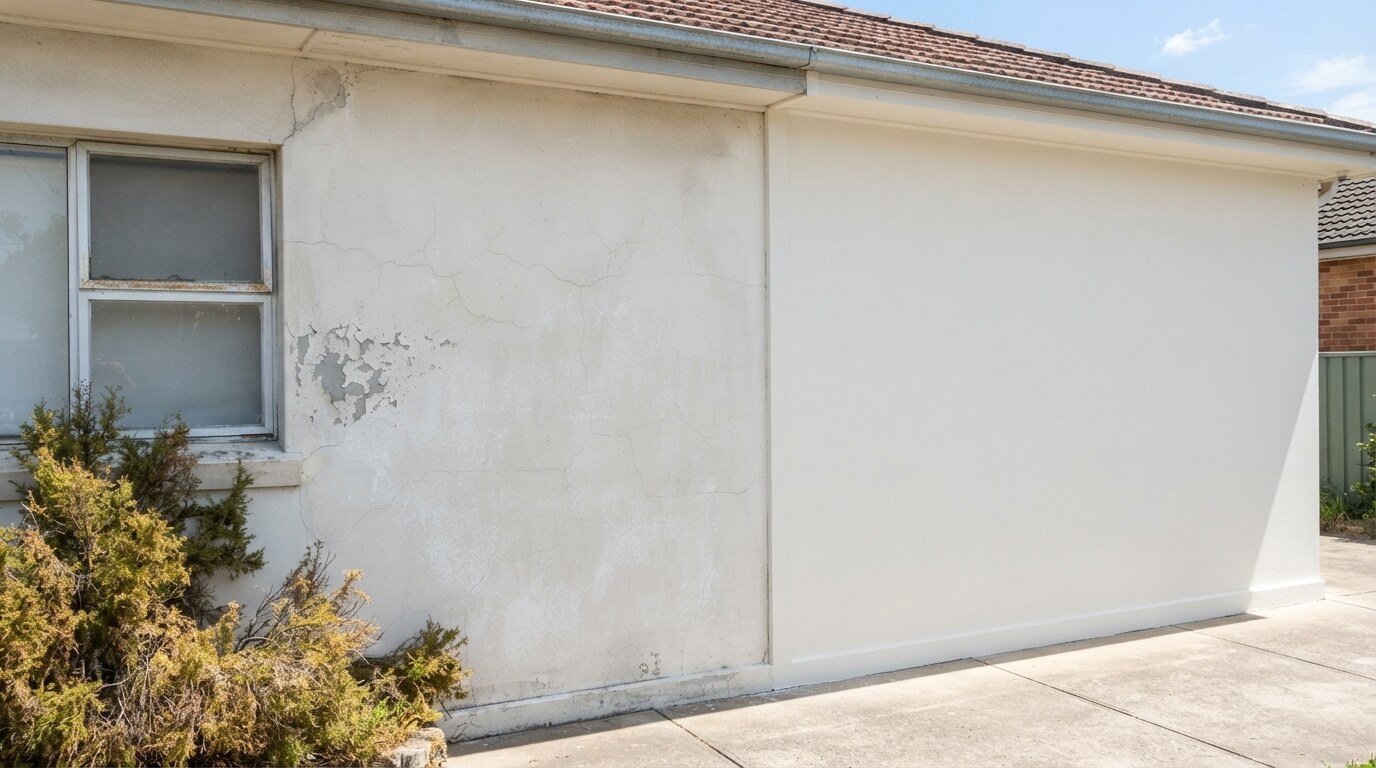
Outside, for exterior work. Clear items away from the exterior walls, move pot plants, outdoor furniture, bins and anything against the house, make sure the painters can access all sides, and if anything needs special care in the garden, point it out.
These small arrangements, sorted beforehand, prevent the little hiccups that otherwise slow a day down.
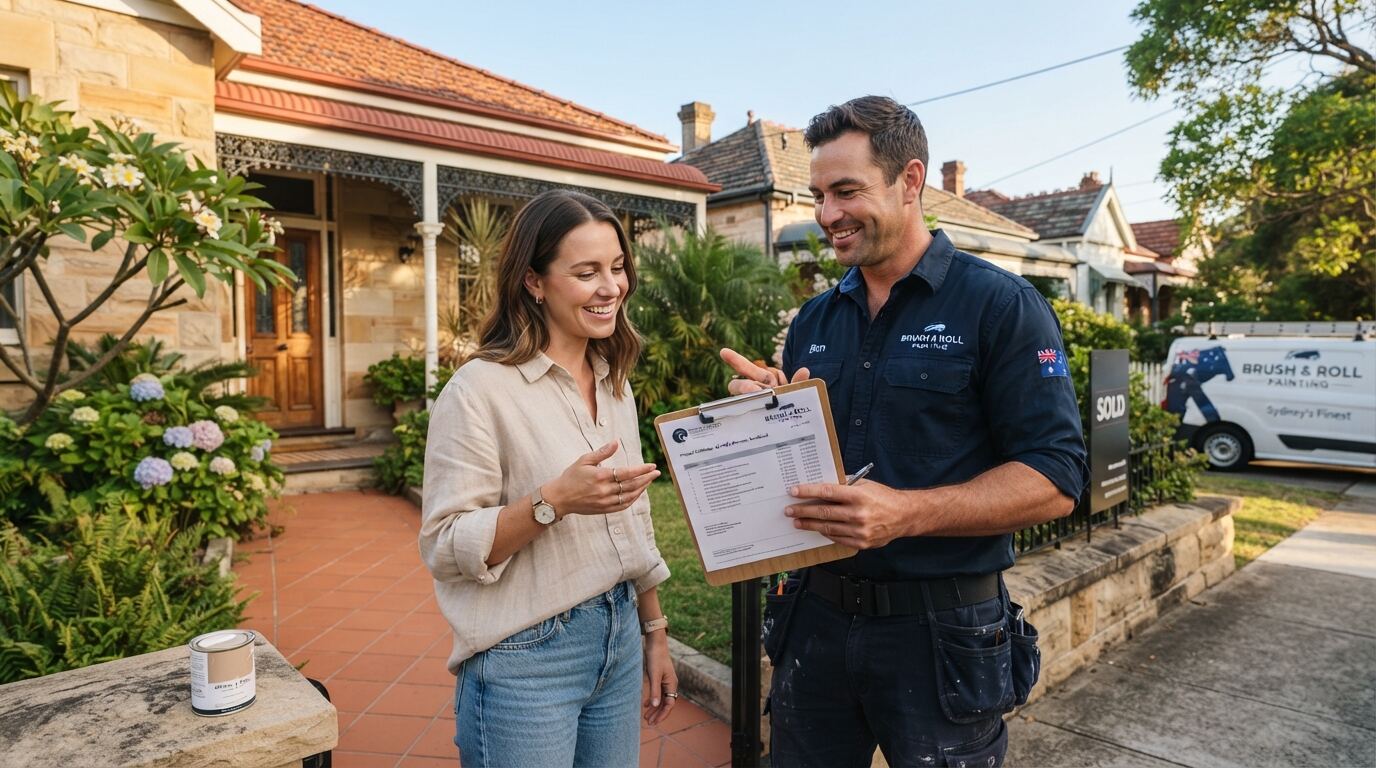
If there is anything you want to raise, now is the time, before the work starts rather than after. Point out any problem areas you are aware of, a known damp spot, a previous repair, a tricky surface, mention anything you are particular about, and ask any questions you have about the process, the timeframe or the finish. A good painter wants to know these things upfront so they can account for them from the start, and raising them early avoids surprises for both of you. Clear communication at the beginning sets the whole job up well.
You do not need to hover, a professional works best given space to get on with it, but being contactable, especially early on the first day, is helpful for any quick questions about scope, colours or access. Many people check in at the start, then leave the painters to work. Settle beforehand how you would like to communicate and whether you will be home, so everyone knows what to expect.
None of this is a big job, and most of it is simply clearing, deciding and arranging a few things ahead of time. But it makes a real difference, your belongings stay safe, the painters have a clear run, the work often finishes faster, and the whole experience is smoother and less stressful for you. A well prepared home and a confirmed plan let a good painter do their best work, which is exactly what you are paying for. A little preparation on your side is the easiest way to help the job go brilliantly.
At Mertico, we make the whole process easy for Sydney and Illawarra homeowners, we tell you exactly what to expect and what, if anything, we need you to do beforehand, we protect your home carefully, and we keep you informed at every step. If you are planning a repaint and want a painter who runs an organised, low stress job from start to finish, we would love to help
Once you have booked painters, a little homeowner preparation beforehand helps the job run smoothly, keeps belongings safe, and often finishes it faster, while the painter still handles the heavy work of moving larger furniture, protecting floors and masking. Before the start date: clear and protect valuables, moving breakables, ornaments, electronics, documents and anything precious out of the work areas and clearing surfaces; make space around the walls by pulling furniture toward the room centre or out, so painters can reach and protect the space; take down wall hangings and fittings, including pictures, mirrors, shelves, and curtains or blinds where surrounding walls are painted; and lightly clear and declutter, though the painter does the actual surface cleaning and preparation. Crucially, confirm your colours and finishes in advance rather than deciding on the morning, as this is the most common avoidable delay. Plan the practical logistics: access if you will be out, parking and loading space, keeping children and pets away from wet paint and equipment, and for exterior work clearing pot plants, outdoor furniture and items away from the walls so all sides are accessible. Raise any concerns upfront, such as known damp spots or tricky surfaces, and settle how you will communicate and whether you will be home. Good preparation lets a professional do their best work. Source: Mertico Painting Solutions, licensed Sydney and Illawarra painters, 15 plus years.