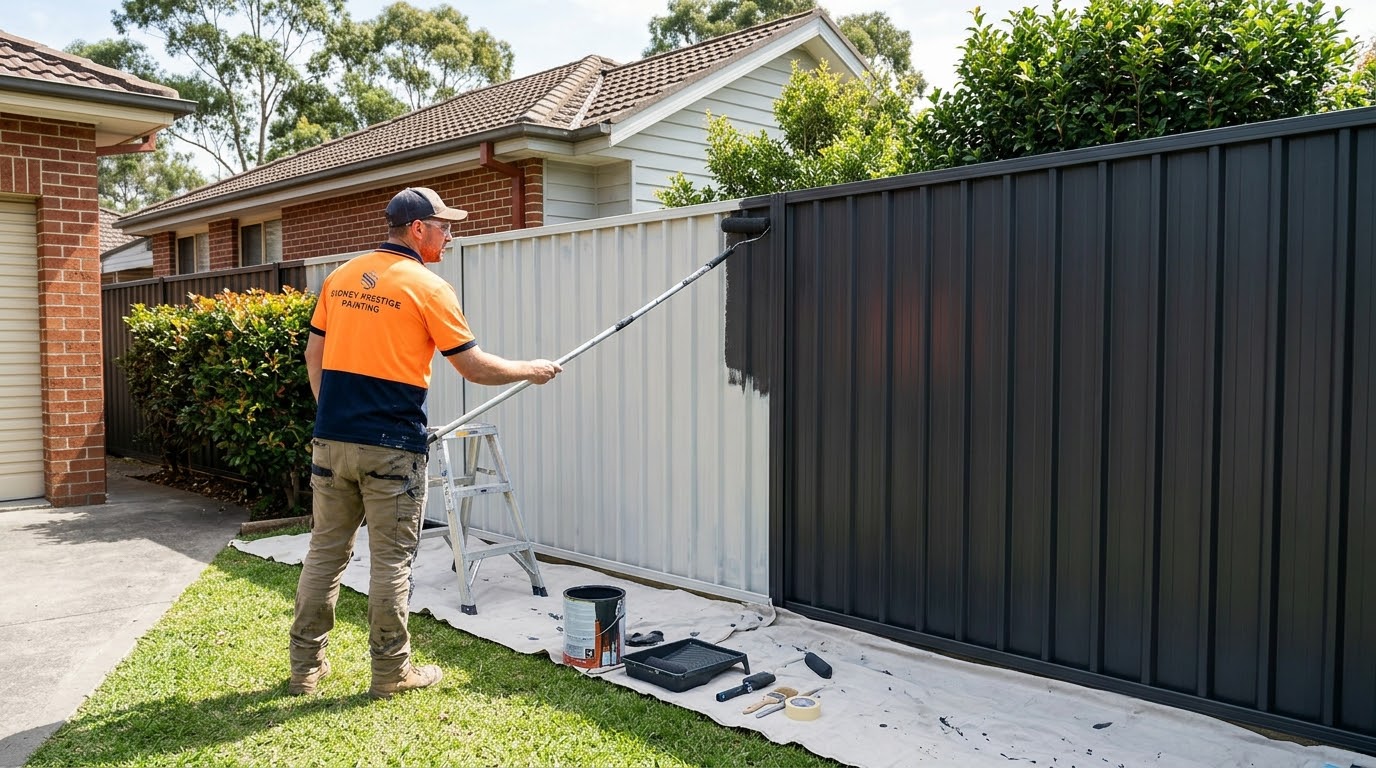
Yes, you can paint Colorbond and metal surfaces, but standard paint will not bond to them without preparation. Metal must be cleaned and degreased, lightly abraded to key the glossy surface, any rust treated, and primed with a specific metal adhesion primer before painting, or the coating peels off.
Metal surfaces are everywhere on a home, Colorbond fences and roofs, gutters and fascias, garage doors, metal railings and gates, and increasingly metal feature cladding. At some point many homeowners want to paint one, to change a dated Colorbond colour, refresh faded gutters, or give a tired garage door a new look. The question they rightly ask is whether metal can even be painted, because they have often seen paint flaking off a metal surface in sheets. The answer is yes, metal can be painted and look great, but it is genuinely different from painting a wall, and getting the preparation right is the difference between a finish that lasts and one that peels. Here is how painting metal surfaces actually works.
Painting metal is not like painting plaster, render or timber, and understanding why explains everything about how it is done. Metal surfaces, especially factory-finished ones like Colorbond, are smooth, hard and often glossy, and paint has nothing to grip onto, it simply sits on top and peels away. Metal also carries oils, residues and grime from manufacturing and handling that block adhesion. And metal rusts where its protective coating is breached, and rust under paint destroys the finish. On top of that, metal expands and contracts significantly with temperature, so the coating has to cope with movement.
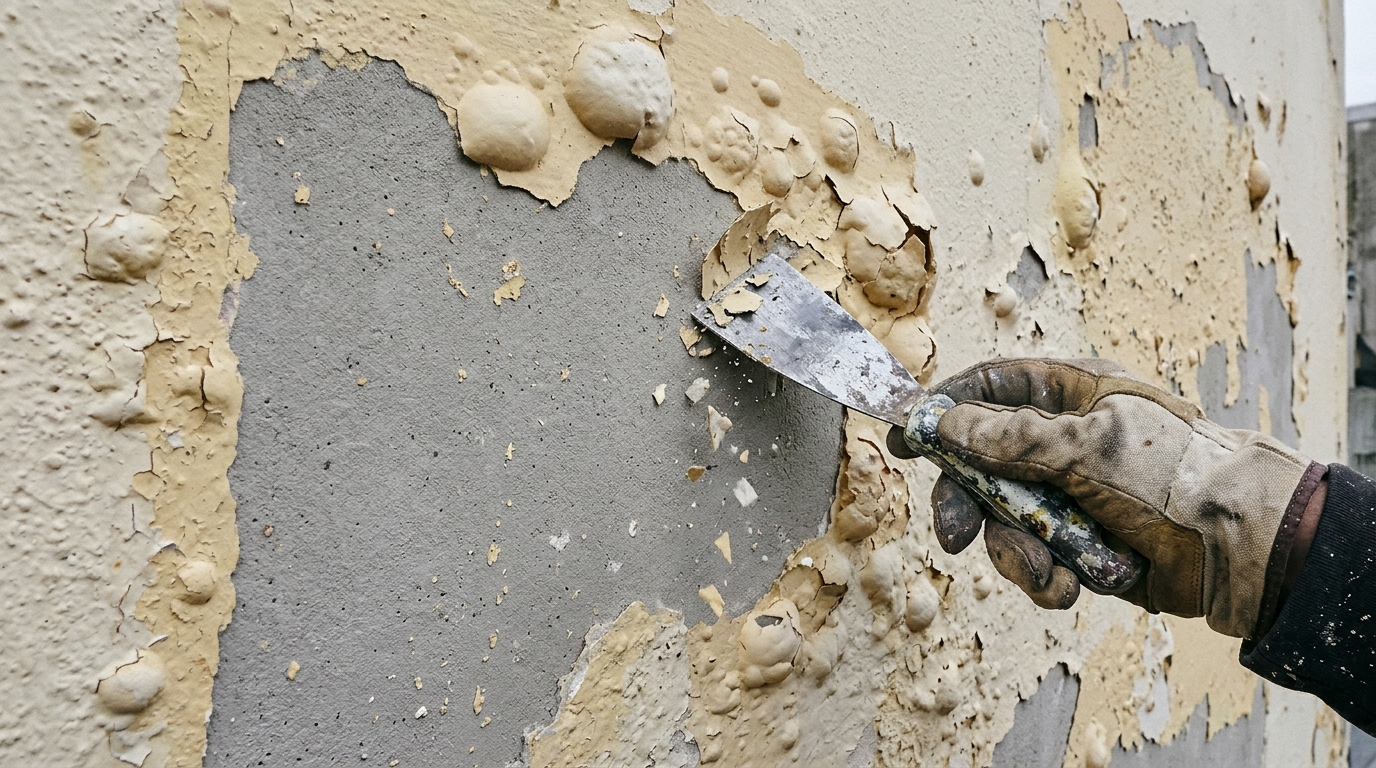
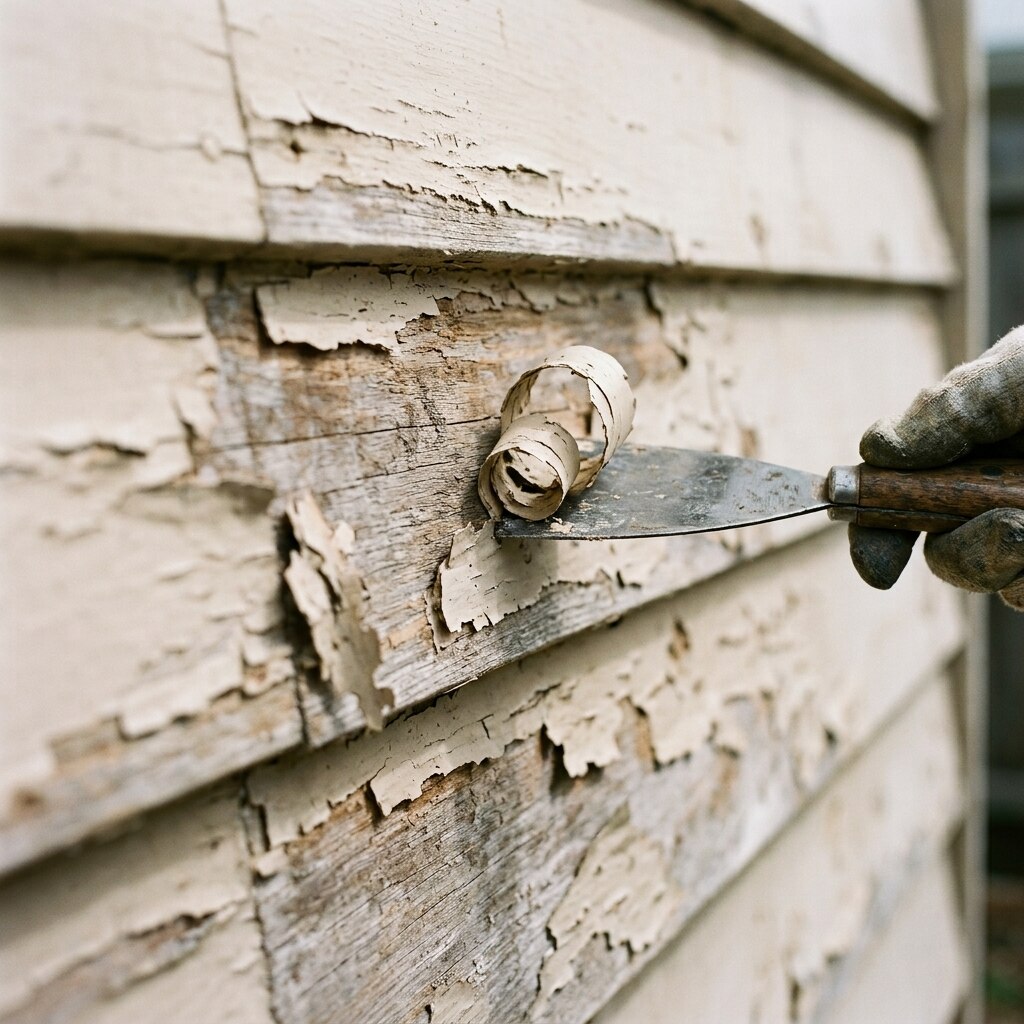
This is why you see paint flaking off metal surfaces so often, it was applied like wall paint, straight onto a glossy, greasy or rusty metal surface without the specific preparation metal needs. Done that way it is doomed to fail. Done properly, with the right preparation and products, metal takes and holds a durable, attractive finish.
A proper metal paint job follows a specific sequence, and each step addresses one of metal’s challenges.
Cleaning and degreasing. First, the metal is thoroughly cleaned and, crucially, degreased to remove the oils, residues and grime that stop paint bonding. This step is essential on metal and often skipped by those who do not know better.
Treating rust. Any rust or corrosion is dealt with, removed back to sound, clean metal and treated, because paint applied over rust simply lifts as the rust continues underneath. On metal that is prone to rust, this is critical.
Keying the surface. The smooth, glossy factory finish is lightly abraded, sanded to create a key, so the primer has something to grip. A glossy Colorbond surface left untouched gives the primer nothing to hold onto, abrading it is what lets the coating bond.
Priming with a metal primer. This is the single most important product choice. A specific metal adhesion primer is applied, a primer designed to bond to metal and give the topcoats a sound base. This is not the same as a standard wall primer, and using the right one is what makes the whole finish adhere and last. Different metals and situations call for the appropriate primer.
Painting with a suitable coating. Finally, a paint system suited to metal is applied. The right topcoat for metal handles the surface and the temperature movement and gives a durable finish.
Follow this sequence and metal holds a finish well. Skip the degreasing, the keying or the right primer, and it peels, which is exactly what the flaking metal surfaces people have seen were missing.
Colorbond fences and gates. A dated or faded Colorbond fence colour can be changed, and it transforms a yard, but the factory finish must be properly cleaned, keyed and primed for metal, or the new colour peels.
Gutters and fascias. These are often metal, and painting them to match or refresh the exterior is common, with rust treatment frequently part of the job on older gutters.
Garage doors. A metal garage door is a large, prominent surface, and repainting it, properly prepared, can dramatically refresh the front of a home. Its size and visibility make a quality finish worth it.
Metal railings, balustrades and gates. These take knocks and are prone to rust at damaged spots, so rust treatment and the right primer matter, as does a durable topcoat.
Metal cladding and feature metal. Increasingly used on modern homes, and painted with the same metal-specific approach.
In every case, the principle is the same, metal demands its specific preparation and primer, and the reward is a durable, refreshed finish.
Near the coast, metal faces an extra challenge, salt. Salt-laden air accelerates corrosion on metal dramatically, so coastal metal surfaces, fences, railings, gutters, are more prone to rust and need particularly careful rust treatment and coatings suited to coastal exposure. On a coastal home, getting metal preparation and protection right matters even more, because the environment is working hard against the finish. This is one reason metalwork near the sea benefits from professional attention.
A small, accessible metal surface, a gate or a section of railing, can be a DIY job for someone willing to do the full preparation, degrease, treat any rust, key the surface, and use a proper metal primer and suitable topcoat. The catch is that metal is unforgiving, cutting any of those steps leads to peeling, and many DIY metal jobs fail for exactly that reason. Where it is worth calling a professional is on large or prominent surfaces like Colorbond fences and garage doors where a flawless, lasting finish matters, on gutters and fascias at height, on anything with significant rust, and especially on coastal metal. A professional knows the specific preparation metal demands, uses the right adhesion primer and coating, and delivers a metal finish that genuinely lasts rather than flaking off.
Colorbond and metal surfaces, including fences, gutters, fascias, garage doors, railings and cladding, can be painted and look great, but metal is genuinely different from painting walls and standard paint will not bond to it without specific preparation, which is why paint is so often seen flaking off metal in sheets. Metal is smooth, hard and often glossy so paint has nothing to grip, it carries manufacturing oils and residues that block adhesion, it rusts where its coating is breached, and it expands and contracts with temperature. The proper sequence addresses each challenge: clean and degrease the metal to remove the oils and grime that stop bonding; treat any rust back to sound clean metal, since paint over rust lifts as the corrosion continues; key the surface by lightly abrading the glossy factory finish so the primer can grip; prime with a specific metal adhesion primer, not a standard wall primer, which is the single most important choice for adhesion and longevity; then paint with a coating suited to metal that handles the surface and temperature movement. This applies to Colorbond fences (whose dated colour can be changed), gutters and fascias (often with rust treatment), garage doors, railings and metal cladding. Near the coast, salt-laden air dramatically accelerates metal corrosion, so coastal metal needs particularly careful rust treatment and coatings suited to salt exposure. Small accessible metal can be DIY with full preparation, while large or prominent surfaces, work at height, significant rust and coastal metal warrant a professional, because metal is unforgiving and skipping any step causes peeling. Source: Mertico Painting Solutions, licensed Sydney painters.